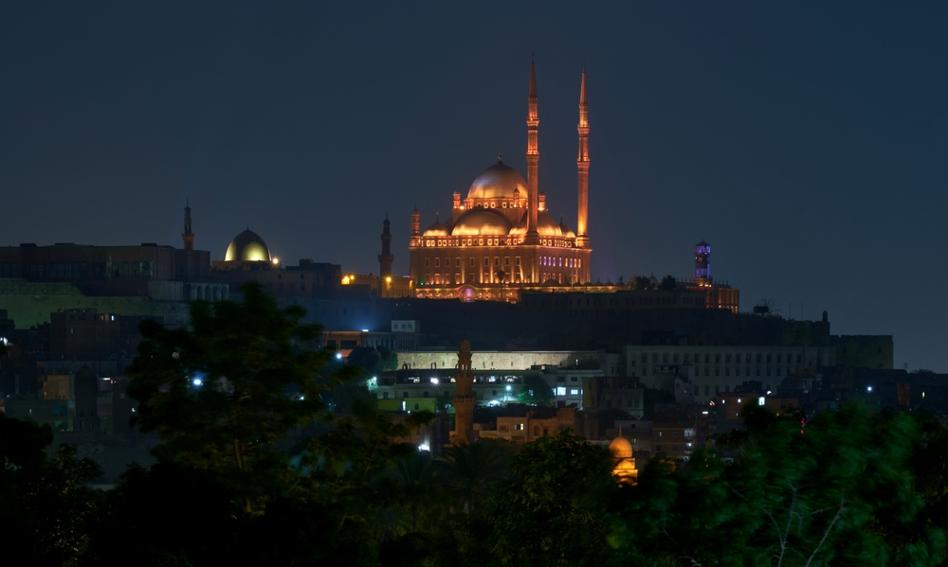
Egypt is in darkness, but the resorts are bustling with life. Emergency import of oil from Libya

2026-03-31 19:38, updated 2026-03-31 20:10
publication
2026-03-31 19:38
update
2026-03-31 20:10
Egypt will import oil from Libya to make up for the shortage after suspending supplies from Kuwait, the New Arab website reported on Tuesday. Most shops, restaurants and cafes in the country close at 21. The exceptions are places popular among tourists, such as Hurghada and Sharm el-Sheikh.
Egypt will import approximately 1.2 million barrels of oil per month from Libya after Kuwait announced in early March that it would suspend supplies due to the blockade of the Strait of Hormuz.
At the same time, the government introduced restrictions on the consumption of electricity, produced mainly in power plants fired with petroleum products.
War extinguishes nightlife in Egypt
In addition to the order to close shops and catering outlets at 21 savings program includes, among others: introducing remote work for civil servants one day a week and dimming street lighting and roadside advertising.
The new restrictions have caused a wave of anxiety among entrepreneurs in Egypt, which is known for its bustling night trading. Owners of cafes and shops, many of which open only in the evening, say losses of around 40 percent. and the need to reduce employment, the Associated Press reported.
Some Egyptians question the validity of the restrictions.
– Instead of sitting in a cafe with several dozen guys and looking at one screen, each of us now sits at home and together we turn on dozens of screens – Hosam from Cairo told PAP.
This is the butterfly effect: Iran is closing Hormuz, and I can't go out for shisha in my neighborhood in the evening, laughs Hosam.
The government is closing cafes to save tourism
The most important tourist destinations have been excluded from the restrictionssuch as Hurghada, Sharm el-Sheikh, Marsa Alam, Luxor and Aswan, which is intended to protect the inflow of foreign currency into the budget.
Egyptian Prime Minister Mostafa Madbuli warned that these measures are necessary to avoid further increases in fuel prices, which have already increased by 30 percent in March.
Some economists recommend reducing energy consumption, pointing out that further price increases may lead to social unrest in Egypt. However, others warn that the social and economic costs of closing shops and restaurants earlier may outweigh the energy savings benefits.
Although Egypt produces about 70 percent the oil it needs (approx. 19 million barrels per month), the remaining 30 percent must acquire from abroad, which, at current prices, is a heavy burden on the state's finances, which is slowly recovering from the economic crisis of 2023-2024.
The energy crisis in Egypt is a consequence of the war in the region, which began on February 28 with US-Israeli airstrikes on Iran. The blockade of the Strait of Hormuz, through which one fifth of global oil supplies usually passes, and Iran's retaliatory attacks on gas and oil infrastructure in the Persian Gulf have caused a sharp increase in global commodity prices. (PAP)
bye/kaj/