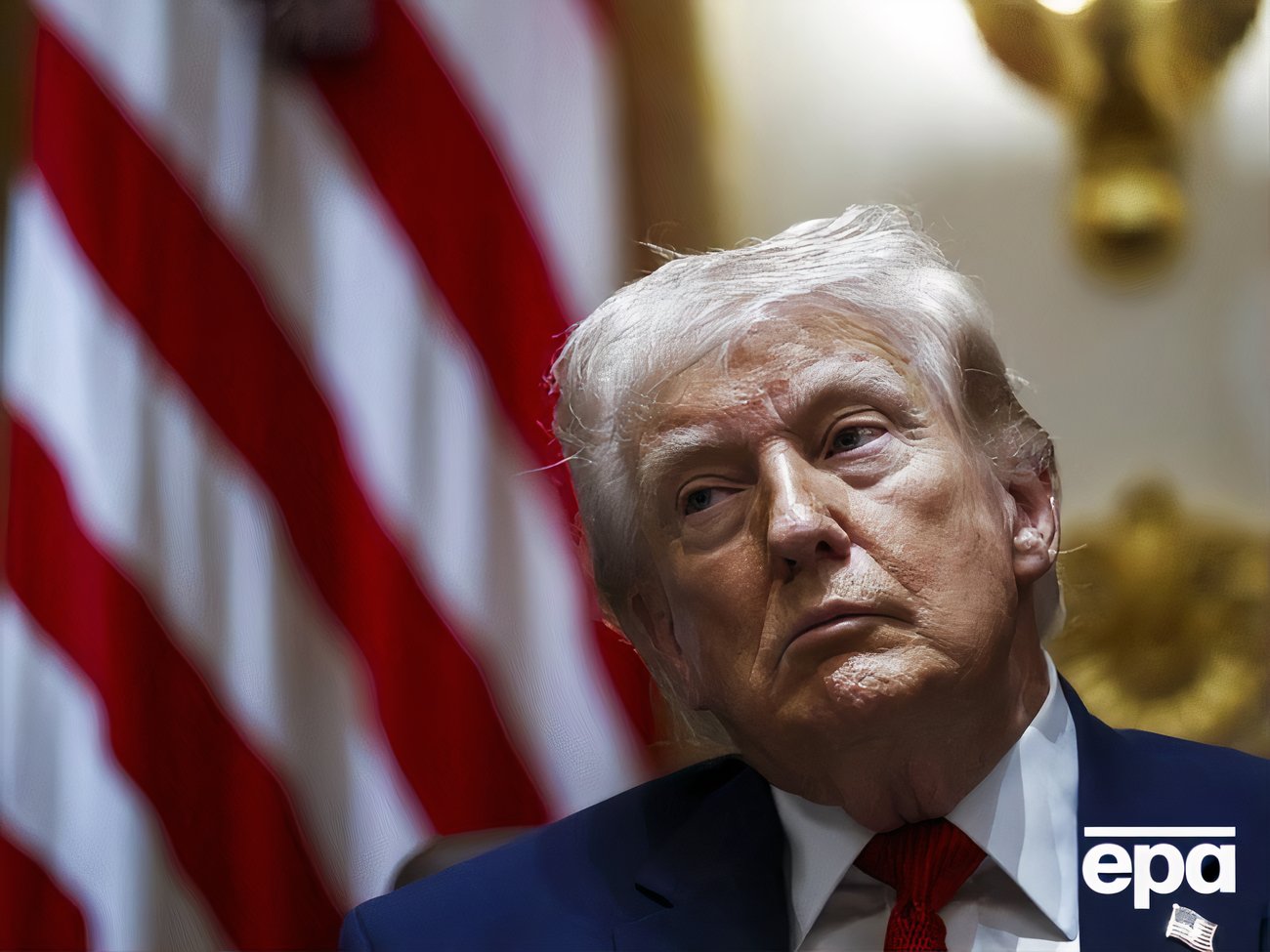
The agency notes that both scenarios have their own risks. The diplomatic path and the conclusion of an agreement with Iran could be perceived as US weakness, and escalation could drag America into a prolonged conflict and “consume” the Trump presidency, the article says.
So far, despite attempts to establish a dialogue with Iran, the United States and Israel continue to conduct a joint operation against it, while simultaneously trying to contain the crisis. Tehran maintains control over oil and gas supplies and launches missile and drone strikes against Israel and the Persian Gulf.
The war in the Middle East has already led to rising energy prices and resulted in an “economic shock,” the authors of the publication noted. Trump talks about wanting to avoid “forever war,” but does not rule it out if US-Iran peace talks fail. Despite the 15-point peace proposal that the United States handed over to Iran, the prospects for agreement between the parties are vague, Reuters notes.
Analysts emphasize that the president has few options for ending the war, because there is no clear idea of what result can be considered satisfactory. He is deploying more troops to the region, threatening more strikes and ground offensives, while trying to reassure financial markets with claims that the war will soon end.
Trump's biggest miscalculation, according to the agency's interlocutors, was the scale of Iranian retaliation, which was not limited to attacks on Israel and neighboring countries, but led to the almost complete closure of the Strait of Hormuz, through which a fifth of the world's oil passes. Iran, experts say, is betting that it can withstand the pain longer than its opponents and “may be right.”
The contradictory statements of Trump, who either talks about agreements or threatens new blows, according to experts, throw opponents off balance. Laura Blumenfeld, a spokeswoman for the Johns Hopkins School of Advanced International Studies in Washington, noted that the head of the White House has become “a one-man message machine in the fog of war.”
Context
On the morning of February 28 Israel and the United States have launched strikes on Iran. Trump announced his intention protect the American peopleeliminating immediate threats from the Iranian regime. Same day liquidated Supreme Leader of Iran Ayatollah Ali Khamenei and more than 40 other country officials.
In early March, Trump said that operation in Iran may last four weeks. Politico wrote that military action could last until September.
On March 20, the media reported that the United States was allegedly considering sending ground troops to Iran, but on the same day Trump announced the possibility of curtailing a large-scale military operation in the Middle East.
On March 23, Trump announced “successful and productive” negotiations with Iran. They were denied in Tehran. The next day, the Israeli publication Ynet wrote that Iran's Supreme Leader Mojtaba Khamenei allegedly agreed to negotiate with the United States.
On March 24, The New York Times wrote that the United States handed Iran a 15-point plan that spelled out the conditions that Tehran must agree to to end the war. In particular, the document refers to Iran's ballistic missile programs and nuclear developments.
Sources at The Wall Street Journal said Iranian officials have made it clear to the US presidential administration that the demands are “quite high.” They also named their terms of negotiations – in particular, to close all US bases in the Persian Gulf, as well as pay compensation for the attack on the country.