The GTC conference, organized every year by Nvidia, is currently one of the most important events in the world of new technologies, especially those related to AI. It gathers tens of thousands of participants, including leading representatives of the largest companies and the best scientists and engineers GTC is sometimes referred to as Woodstock or Super Bowl AI.
Of course, the spotlight then focuses primarily on CEO Jensen Huang, who during the GTC talks about the most important new products, solutions, services and plans of Nvidia, and his words practically shape the future of the world of technology. This year there were also many important announcements and surprises.
The rest of the article is below the video
We now know why Nvidia spent $20 billion. for a start-up
By far the most important hardware event of the ended GTC conference was the announcement of systems combining a new generation of classic Nvidia accelerators called Rubin with Groq LP30 chips created by a startup whose employees and the license to use products were acquired by Nvidia in December last year for USD 20 billion. Back then, no one fully understood why Nvidia needed this company and why so much money was spent on it. Now, just three months later, that expense looks like the deal of the year.
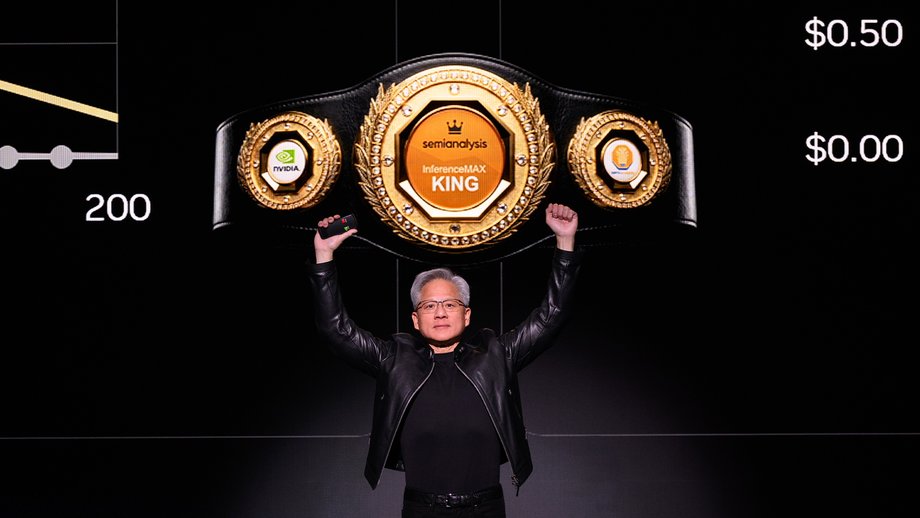
During GTC, Jensen Huang celebrated Nvidia's first place in the inference speed ranking created by the analytical company SemiAnalysis.
It has happened in the last few months explosion of demand for inference and token generation powered by AI agents, including tools like Claude Code and OpenClaw. In some situations, the speed of token generation is not that important, because, for example, you can leave the task overnight. In others, such as programming support tools, time is money and it is often crucial to be as interactive as possible.
A combination of Nvidia accelerators and Groq chips is intended to allow for the speed and interactivity of inference when performing complex operations requiring large context, which have so far been unattainable.
These systems will be very expensive, however if they work as well as Jensen Huang claims, they should pay for themselves quickly. They are created with services such as the Claude Code fast mode in mind, in which a million output tokens cost as much as $150, and there is no shortage of people willing to use it. For comparison, one million output tokens of the Chinese DeepSeek cost… USD 0.42, which is over 300 times less. Tokenomics in all its glory.
Nvidia is becoming more and more ambitious when it comes to processors Nvidia announced during GTC a system in which there are no AI accelerators, only classic processors.
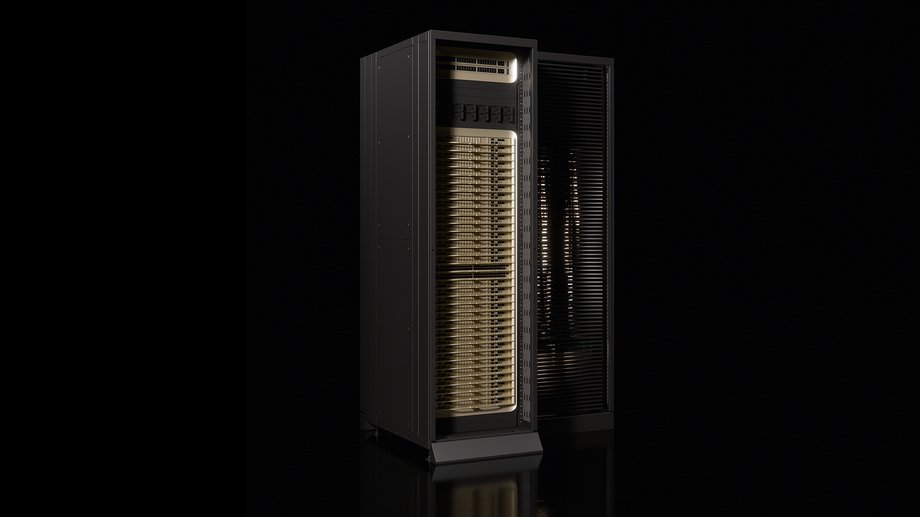
The second interesting product from Nvidia are Nvidia Vera CPU systems, which contain 256 new Nvidia processors called Vera and not a single accelerator. Nvidia is expanding its offering of chips and products so that potential customers can purchase all the necessary pieces of the server puzzle from Jensen Huang and they didn't have to come to terms with Intel, AMD or one of the Arm processor manufacturers.
This system represents another, more global trend. The previously mentioned explosion in popularity of agent tools has significantly increased the demand not only for accelerators, but also for classic processorswhich must control all these agents. That's why there is a demand for systems like Nvidia's, but Intel and AMD are also reporting record interest in their server processors. In other words, after years of narrative focused around AI accelerators and the marginalization of the importance of classic processors, they are undergoing a kind of renaissance.
Nvidia competes with its customers Jensen Huang regularly says that OpenClaw is one of the most important projects in the history of mankind and pins Nvidia on the trend of personal AI agents.

Nvidia is mainly associated with hardware, but in practice a very large part of Nvidia's employees are programmers. Among other things, they deal with creation next generations of Nemotron language modelswhich in some respects are not far behind the flagship Open AI or Anthropic models, but they are free and open. Everything indicates that Nvidia not only does not intend to stop their development, but is even taking them more and more seriously.
First of all, just after GTC, Nvidia announced the availability of the Nemotron 3 Super model optimized for agent applications, which, according to the first tests, it handles very well. You can run this model locally on your own hardware (as long as you have at least 96 GB of GPU memory) or completely free (although with limits) in the cloud using the popular Ollama tool, which additionally integrates with OpenClaw directly or with Nvidia's modified counterpart of this AI agent management tool called NemoClaw.
Secondly, the formation of the Nemotron Coalition was announceda group working with Nvidia to create the fourth generation of open Nemotron models, which includes, among others, Perplexity, Mistral AI and Cursor, companies that definitely know AI.
This is a peculiar situation because in practice, it means that Nvidia competes with its customers to some extent. Of course, an institution, for example a government one, that cares about the development of sovereign AI will not even look at OpenAI or Anthropic's closed services, so it is not 100% direct competition. However, there will undoubtedly be situations where AI service providers purchasing Nvidia accelerators will lose customers due to the existence of Nvidia's models. However, Nvidia knows that it can afford it and at the same time thus creates a unique market offer, selling ready-made, independent turnkey solutionsthat AMD or any other accelerator manufacturer or cloud operator cannot offer.
Nvidia finally with orders from China There are many indications that this time the H100 and H200 accelerators will finally arrive in China.
|
GK / Nvidia
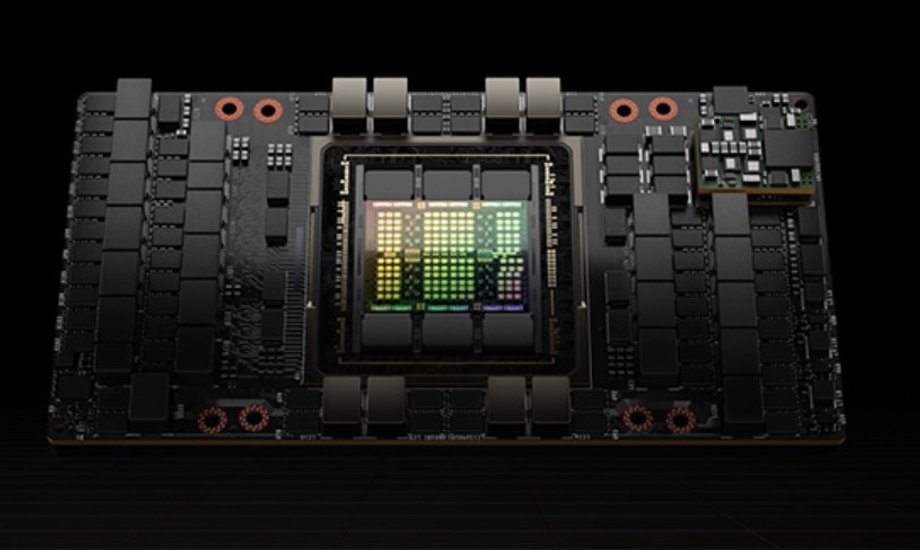
The story of blocking and unblocking the sale of Nvidia accelerators to China has had many twists and turns. From Nvidia's latest financial report, we learned that despite obtaining the necessary permits from the US administration to sell H100 and H200 series accelerators and great interest from Chinese customers, the company has not sold a single such accelerator. In its financial forecasts for the next quarter, it assumed that it would still not sell any.
During GTC, however, Jensen Huang officially confirmed that finally, the last barriers to selling equipment to China have disappeared and the production of H200 accelerators is resumedwhich will certainly translate into additional billions of dollars in revenues.
In this context, it is worth returning to the previously mentioned Groq chips. Due to their unique characteristics, in practice they are not subject to current versions of US export restrictions. According to Reuters, accelerators based on these chips, which can be integrated with systems operating in China, are only a matter of time.
Progressing vertical integration
To sum up, the announcements from GTC 2026 show that Nvidia does not want to be just an accelerator manufacturer. It is consistently building a closed ecosystem of hardware, software and models – from CPUs, through accelerators, to its own LLMs and agent managers – becoming more and more the Apple of the AI world.
At the same time, Nvidia still surprises with its speed, rarely seen in such large companies. Three months after announcing the contract with Groq, which few people understood, it shows innovative products that use chips from this start-up and perfectly fit into new market trends. A few months after the viral appearance, OpenClaw is creating an entire ecosystem around it to popularize the use of AI agents, which in turn increase the demand for additional Nvidia hardware. In short, “Woodstock AI” did not disappoint, and Nvidia's competition has something to think about.