Iran has been developing this strategy for years. Mojtaba Khamenei pointed out a key element

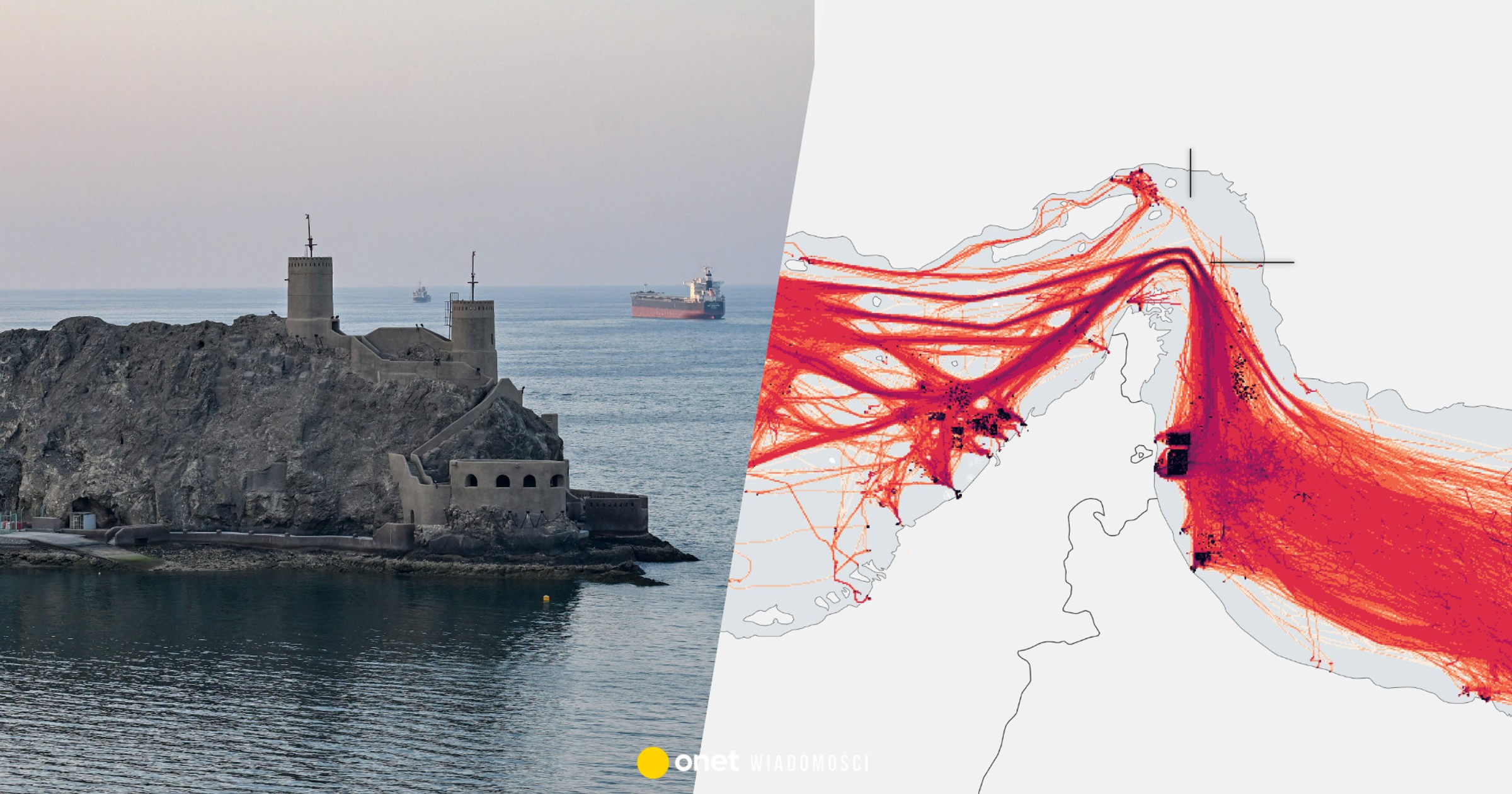
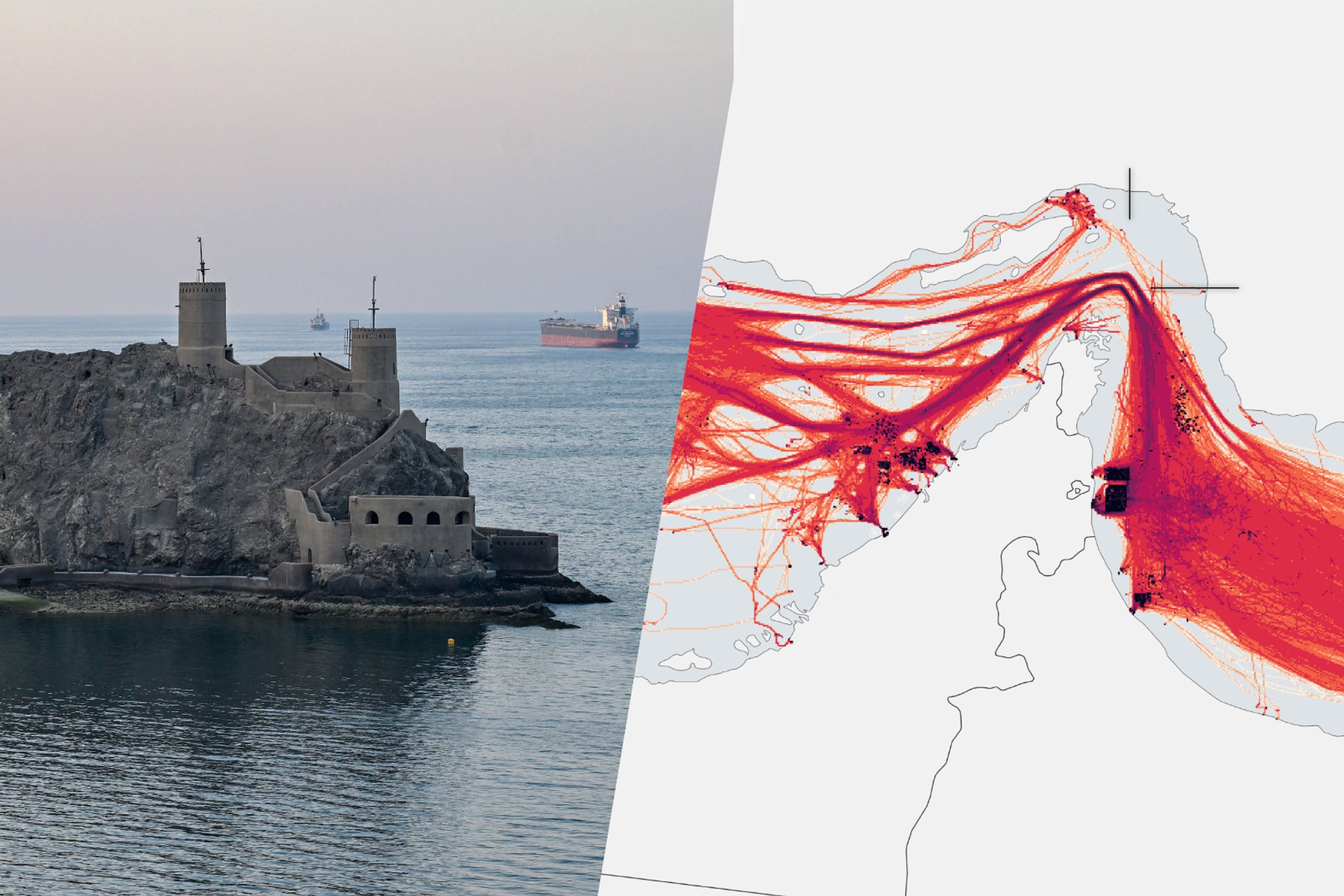
Although the blockade also harms Iran, the authorities have decided that political advantage is more important than economic losses. Analyst Farzin Nadimi in an interview with abc.net.au. he emphasized that “this is a body of water with one of the most important and strategic hotspots in the world.”
Strait of Hormuz. Hundreds of ships were stuck on both sides
After the Israeli attack in which Ayatollah Ali Khamenei was killed, Iran fully implemented the plan. Hundreds of ships were stuck on both sides of the strait. Insurers refused to cover the risk, which further paralyzed trade. Iran uses the tactic of selectively allowing vessels to pass, strengthening its control over the water area. Tanker traffic dropped from thousands to just a few hundred. The regime forces some ships to sail only through Iranian waters. Attacks on commercial vessels are carried out using drones, missiles and fast boats.
Security expert Behnam Ben Taleblu recalled previous analyses, saying that “Iranian strategists have long argued that if another conflict occurs, world oil markets should be hit.”
Iran uses a network of tunnels and caves
The US and its allies have limited response options because each escort exposes their ships to asymmetric attacks. Iran uses a network of tunnels, caves and hidden bases for its army. American airstrikes destroy some infrastructure, but do not eliminate huge stockpiles of drones. The cost of Iranian drones is minimal compared to the cost of American defense systems.
Tehran is shifting the burden of the conflict onto the global economy, increasing pressure on Washington. Israel seeks the complete destruction of the regime, but the US prioritizes opening the strait. The attacks also target the region's oil infrastructure. The new leader of Iran, Mojtaba Khamenei, considered the blockade of the strait to be a key element of the strategy. Experts emphasize that Iran counts on greater resistance to losses than its opponents. Political scientist Ali Vaez noted that “the Strait of Hormuz has become an arena of confrontation between Iran and its adversaries.” The future of the conflict depends on the US's readiness to escalate. The longer the strait remains closed, the more difficult it will be to rebuild the stability of global energy markets.