According to the official, she receives many messages from potential candidates, including those already registered, that they were asked to have sex in exchange for the opportunity to run. Kabika did not say which parties they were talking about, but she called on women not to remain silent and to report every such case.
The head of the Coordinating Council of Gender Organizations, Beauty Katebe, in a conversation with the BBC, called the situation alarming, emphasizing that such actions discourage women from becoming candidates in elections. She noted that not all victims report sexual blackmail due to “cultural bias and shame.” Katebe said a special court should be created to deal with such cases quickly and laws should be strengthened to prevent sexual harassment of women.
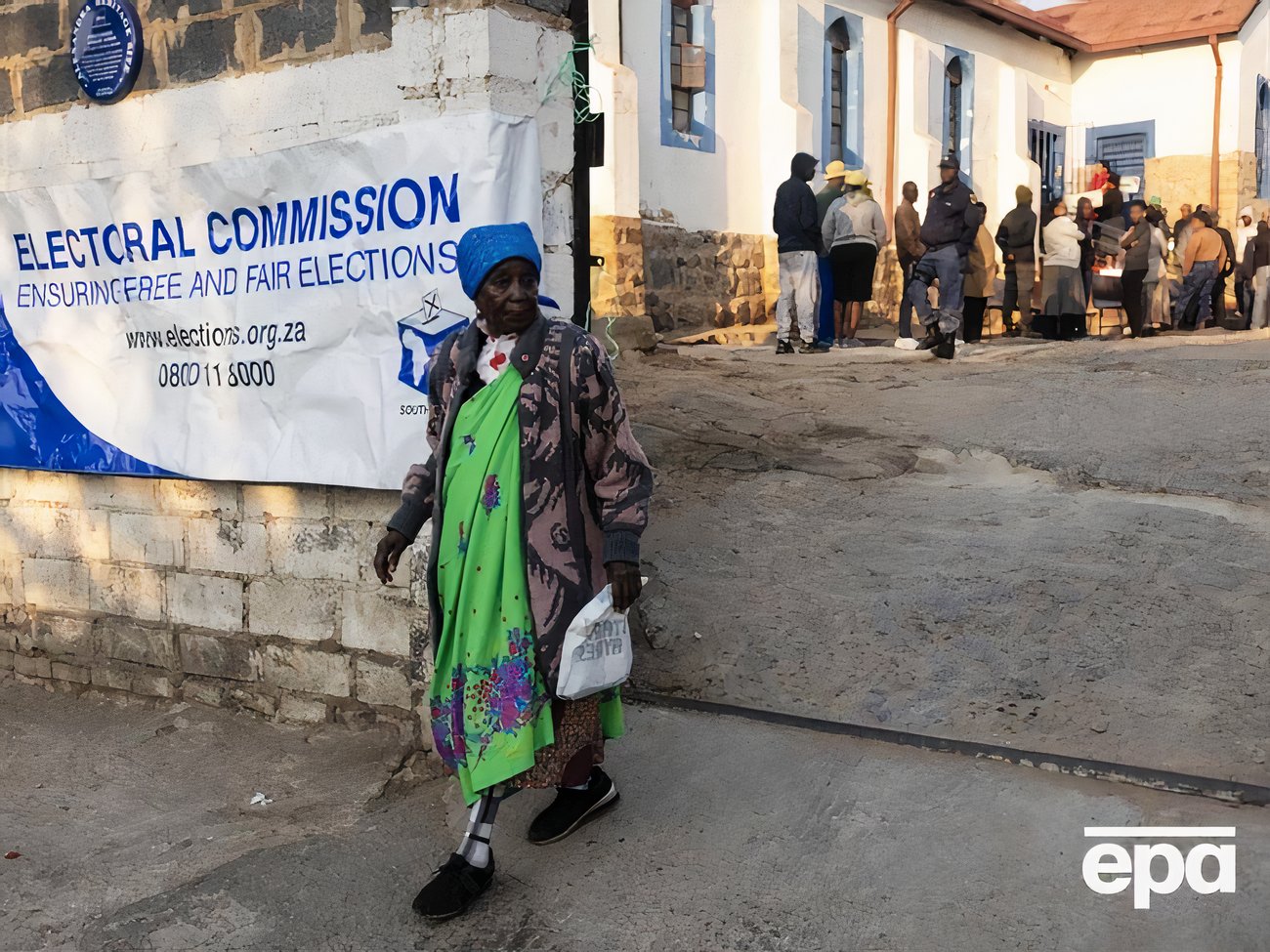
General elections in the country will be held on August 13 this year. They will elect the president, parliament, as well as secretaries and heads of councils. The BBC noted that last year the Zambian presidential office acknowledged in a statement on gender equality that while there were prominent women in politics, notably Vice President Mutale Nalumango, the country was still a long way from addressing gender equality. As of 2025, only about 15% of MPs were women. The administration attributed such indicators to the consequences of Zambia's “deeply ingrained cultural and structural barriers.”