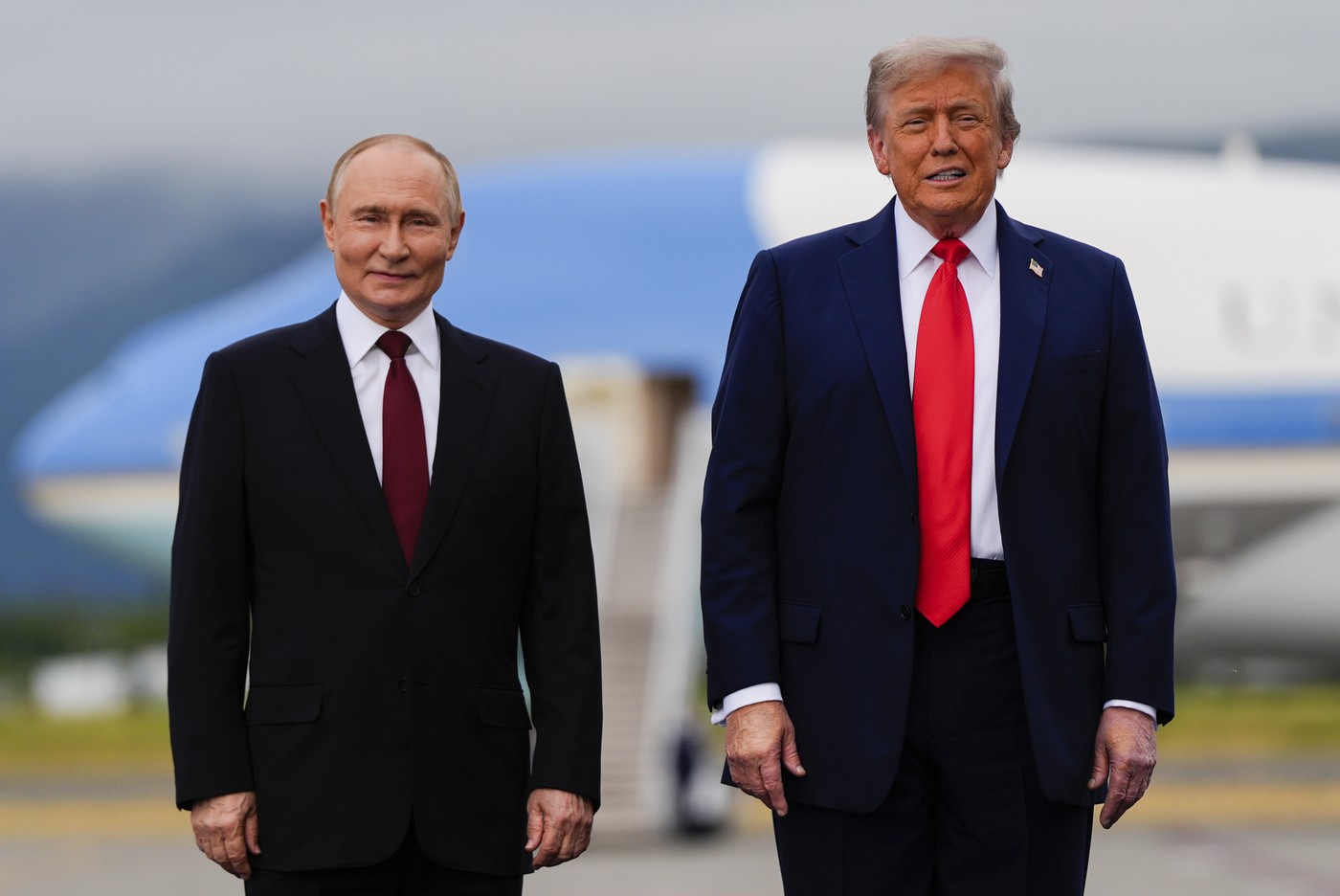
Rumors in Silicon Valley after the discovery of a complex scheme to illegally export chips to China. A founder of SMCI, indicted

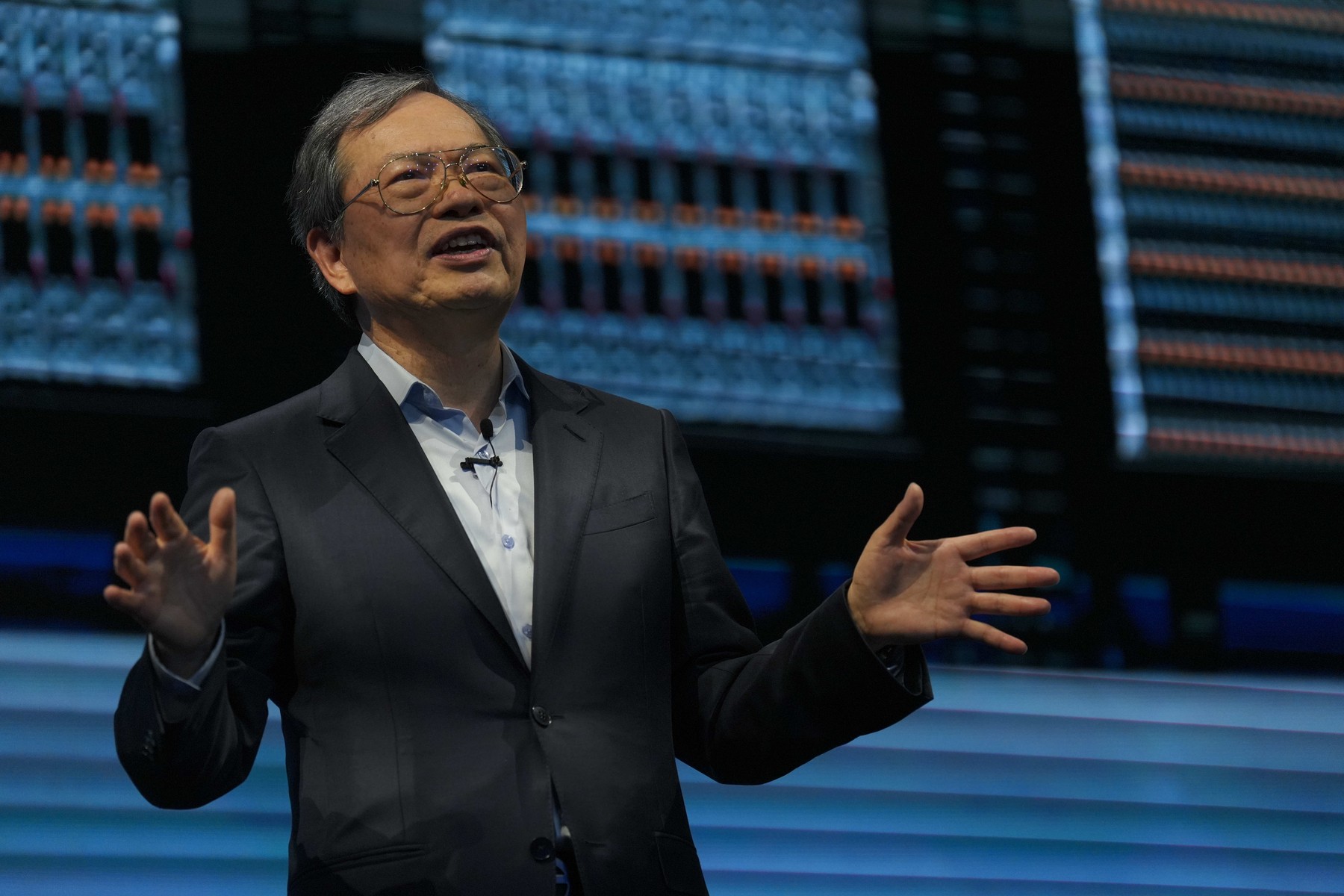
Three people associated with artificial intelligence server maker Super Micro Computer Inc. (SMCI), including one of the company's founders, have been indicted in the US for facilitating the illegal export of at least $2.5 billion worth of AI technologies to China in violation of export laws, the Justice Department in Washington said on Thursday, as cited by Reuters.
US prosecutors did not name Super Micro in the complaint, referring only to a “US manufacturer”. But the company, based in San Jose, California, the center of the US tech industry, said it was informed by federal prosecutors of the indictment on Thursday. The company emphasized that it is not itself named as a defendant in the case and that it has cooperated with investigators.
The Justice Department announced it had charged Yih-Shyan Liaw, Ruei-Tsang Chang and Ting-Wei Sun in an indictment made public Thursday. It, filed in federal court in Manhattan, alleges that the three were involved in a complex scheme in which US-made servers were sent through Taiwan to other Southeast Asian countries, where they were transferred into unmarked boxes and then shipped onward to China. US imposes export restrictions on advanced AI chips destined for China as early as 2022.
Liaw co-founded Super Micro in 1993 and joined the Board of Directors in 2023. Chang was a sales manager in Super Micro's Taiwan office and Sun was a contractor.
A sophisticated scheme to ship Nvidia chips to China
U.S. officials say the three took extensive steps to hide their activity from both U.S. server manufacturers and export control authorities, even using hair dryers to remove tags and serial numbers from real equipment and apply them to dummy units left behind after genuine servers were shipped to China.
The company said it had suspended Liaw and Chang and stopped working with contractor Sun after learning of the allegations on Thursday. Shares in Super Micro fell 8 percent in U.S. stock market trading after the indictment was disclosed.
US officials also did not specify which chips were involved in the alleged scheme, but Nvidia dominates the market for artificial intelligence chips and its products are among the most expensive.
Nvidia, which supplies chips to Super Micro and other server makers, said in a statement to the media that strict compliance with export laws is a top priority.
“Illegal diversion of US-controlled computers to China is a losing strategy in all respects – NVIDIA provides no service or support for such systems, and enforcement mechanisms are rigorous and effective,” the company stressed.
The tech giant led by Jensen Huang did not respond to whether it was aware of the three's activities, as Reuters reported in 2024 that China obtained export-banned Nvidia chips, including in Super Micro servers.
The three tried to hide their activities including from the employees of their own company
Prosecutors said the alleged conspirators took servers assembled in the United States and shipped them to facilities in Taiwan, both locations where Super Micro has operations.
Prosecutors say they tried to mislead the US manufacturer's compliance teams by staging thousands of “fake” servers – non-functional replicas of real computers – for inspections, while genuine servers were already being sent to China.
The Justice Department said surveillance footage showed workers using hair dryers to remove tags from real servers and apply them to fictitious ones.
“The defendants' scheme became increasingly defiant over time and resulted in the shipment to China of massive amounts of servers containing US artificial intelligence technology subject to export controls,” the Justice Department said, adding that more than $500 million worth of servers were diverted to China between April 2025 and mid-May 2025.
The Department of Justice announced that Liaw, a US citizen, and Sun, a Taiwanese citizen, were arrested Thursday, while Chang, a Taiwanese citizen, remains wanted.
The founder of SMC is a well-known person in Silicon Valley
Liaw, in particular, is well-known in Silicon Valley, where Super Micro builds computers using chips from some of the region's biggest companies, such as Intel and Advanced Micro Devices (AMD).
According to messages posted on his LinkedIn profile, he frequently greeted customers at the company's headquarters and attended the inauguration ceremony of one of Micron Technology's new factories, where he met with CEO Sanjay Mehrotra.
Jensen Huang, Nvidia's CEO, even strolled through the booths of his company's vast developer conference on Monday, meeting with executives from major partners such as Samsung Electronics and SK Hynix. When Huang stopped by the Super Micro booth to shake hands with co-founder and CEO Charles Liang, Liaw was nearby, according to a photo posted by the Liang-led company on its “X” page.
Liaw did not respond to an emailed request for comment to his address from Super Micro or a call to a phone number associated with him.
“The conduct of these individuals, as described in the indictment, contravenes the company's policies and compliance mechanisms, including efforts to circumvent applicable export control laws and regulations,” Super Micro said.