“Made in Germany” is losing its importance. China is leaving German industry behind

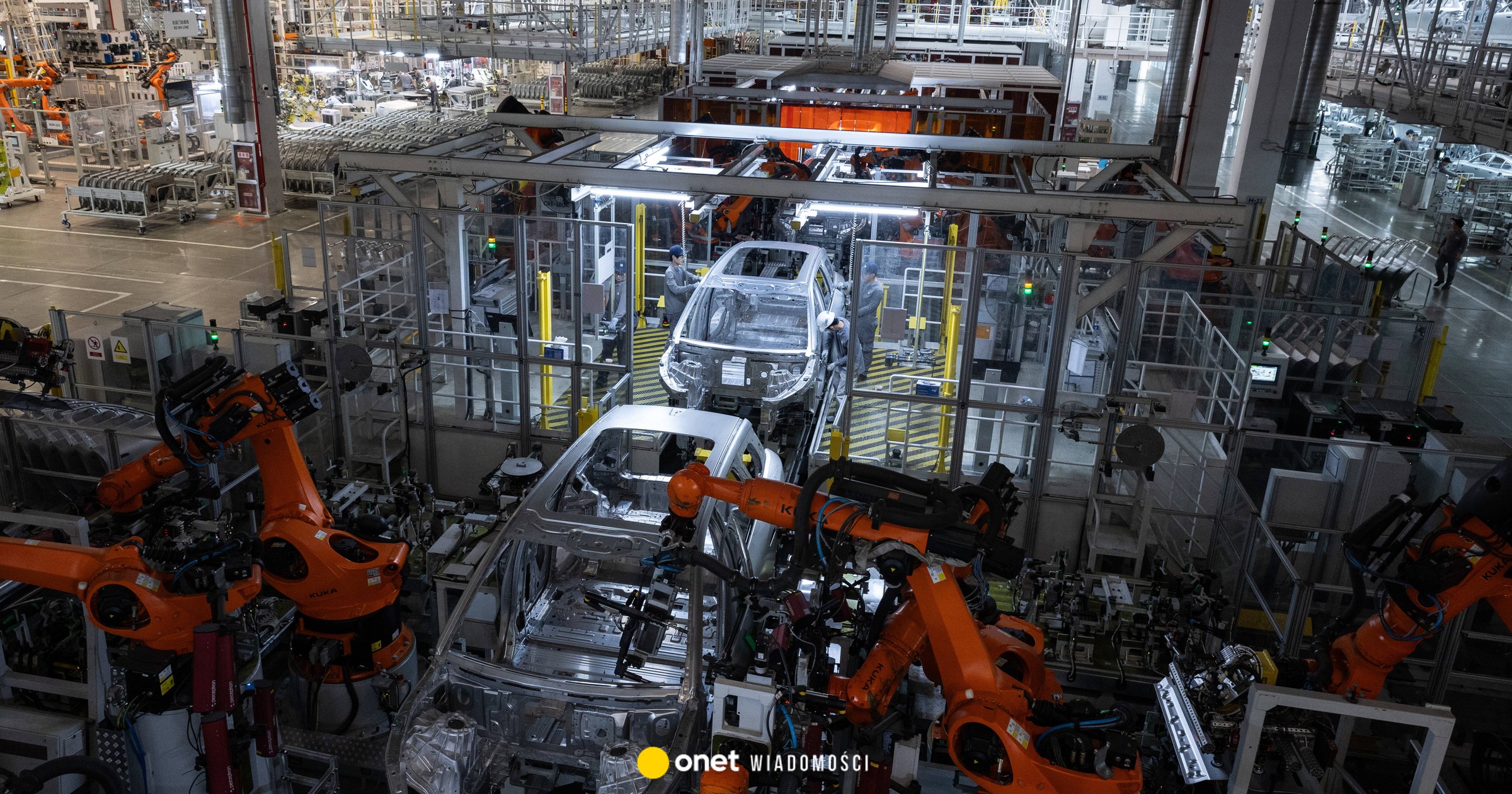
“The Factory of the World” – this is what China has been called since the 1990s. For decades, this country has produced textiles, toys and electrical appliances for customers all over the world. Thanks to cheap, mass production Chinese producers have turned entire industries upside down. Companies moved factories and millions of jobs there from high-paying countries or less stable low-cost markets.
Germany benefited from the Chinese boom because the German economy was a “factory of factories”. Not the final products, but machines and tools that allowed other countries to start producing were a German specialty. Lathes came from Bielefeld, hydraulic pumps from Stuttgart and industrial robots from Augsburg. This also included high-quality components and semi-finished products such as valves.
Data collected by McKinsey Global Institute (MGI) shows that this process has recently accelerated: China's exports of semi-finished products increased by 9% in 2025, compared to 6% the year before. At the beginning of 2025, China already supplied over 40%. all machines and semi-finished products sold worldwide. During the year, half of global trade growth in this segment came from China alone. This is the result of the latest MGI report “Geopolitics and geometry of global trade”, which concerns over 90 percent. world trade in goods last year. The editorial team of “Die Welt” received a report from the research department of a consulting company before the premiere.
In fact, China benefits from the economic growth of other developing countries – another analogy to Germany's current role in the global division of labor. Nearly half of China's exports went to developing countries last yearwhile in 2017 they constituted only one third of the recipients of Chinese goods.
Jammed Germany. On the one hand, China, on the other, Trump
This difficult situation is also visible in the statistics: last year, German car exports to the USA came under pressure. According to the Destatis statistical office, car and component manufacturers sold 17.5% more between January and November last year. less to the USA than in the same period a year earlier. At the same time, sales to China – the previous growth engine – fell by about a third. The German Economic Institute (IW) from Cologne even talks about a “real implosion”. In the longer term, it is even worse: compared to the record year of 2022, exports dropped by over 54%.
The machinery industry, which is the pillar of German exports, is directly affected by China's growing strength. Markets in India, Brazil and Southeast Asia that once relied on German know-how and equipment they now increasingly buy from Chinese suppliers. Last year, China overtook Germany for the first time as the world's largest exporter of machine tools. According to the Association of German Machine Tool Manufacturers (VDW), China's exports increased by 18 percent, while Germany's exports fell by 10 percent. Recently, China's share in the global market amounted to almost 22 percent, while Germany's – less than 17 percent.
The honor of Europe was saved by… Ozempic
Meanwhile, German and European companies have been able to take an attractive position in global trade in recent years. When the Trump administration imposed new tariffs and import rules on Chinese goods last year, U.S. imports from China plummeted by about $130 billion. (approx. PLN 480 billion), which created a huge supply gap. “Theoretically, Europe could have fulfilled it. In practice, this did not happen.” – write the authors of the MGI report.
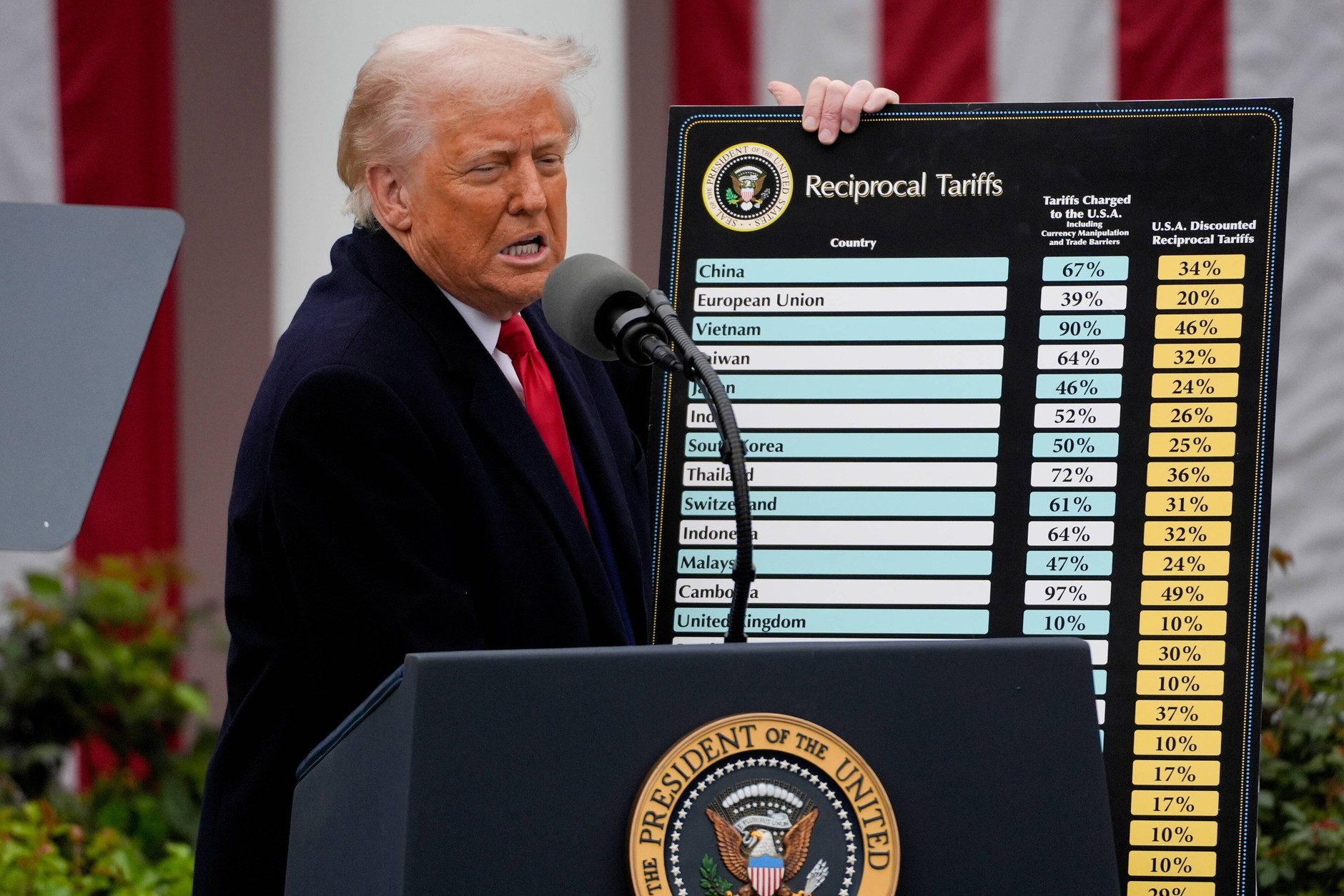
Donald Trump announces tariffs on 'Emancipation Day'. Washington, April 2, 2025PAP/EPA/KENT NISHIMURA / POOL / PAP
Additional exports to the United States from developing countries included only partly Chinese goods that were merely redirected, relabeled, or subjected to minimal processing to circumvent U.S. tariffs. According to MGI's analysis, Chinese components accounted for less than half the value of products exported by these countries, a Asian economies' exports grew faster than their imports. Both indicators are evidence of a real increase in added value in these countries, which have for some time been attracting industrial companies fleeing from the increasingly expensive China.
European companies still have room to show off their skills
Despite growing Chinese competition in the machinery and equipment sector, German companies also have their opportunities. Recently, they have significantly developed trade with other European Union countries. In developing countries, there is a growing demand for products in which Europeans are strong. Medical equipment, scientific equipment and specialized machines are noted sales growth in Latin America, the Middle East and Asia. In diagnostics, prostheses and heart pacemakers, German companies still have an advantage.
German industry must therefore prepare for this its advantage as a supplier to the “factory of the world” will decline. What will be crucial for the country's prosperity and jobs will be what new role Germany will play in the future global economy and how quickly German companies will define it.