Rare critical outing from Middle East mediator: Trump administration 'has lost control of its foreign policy'

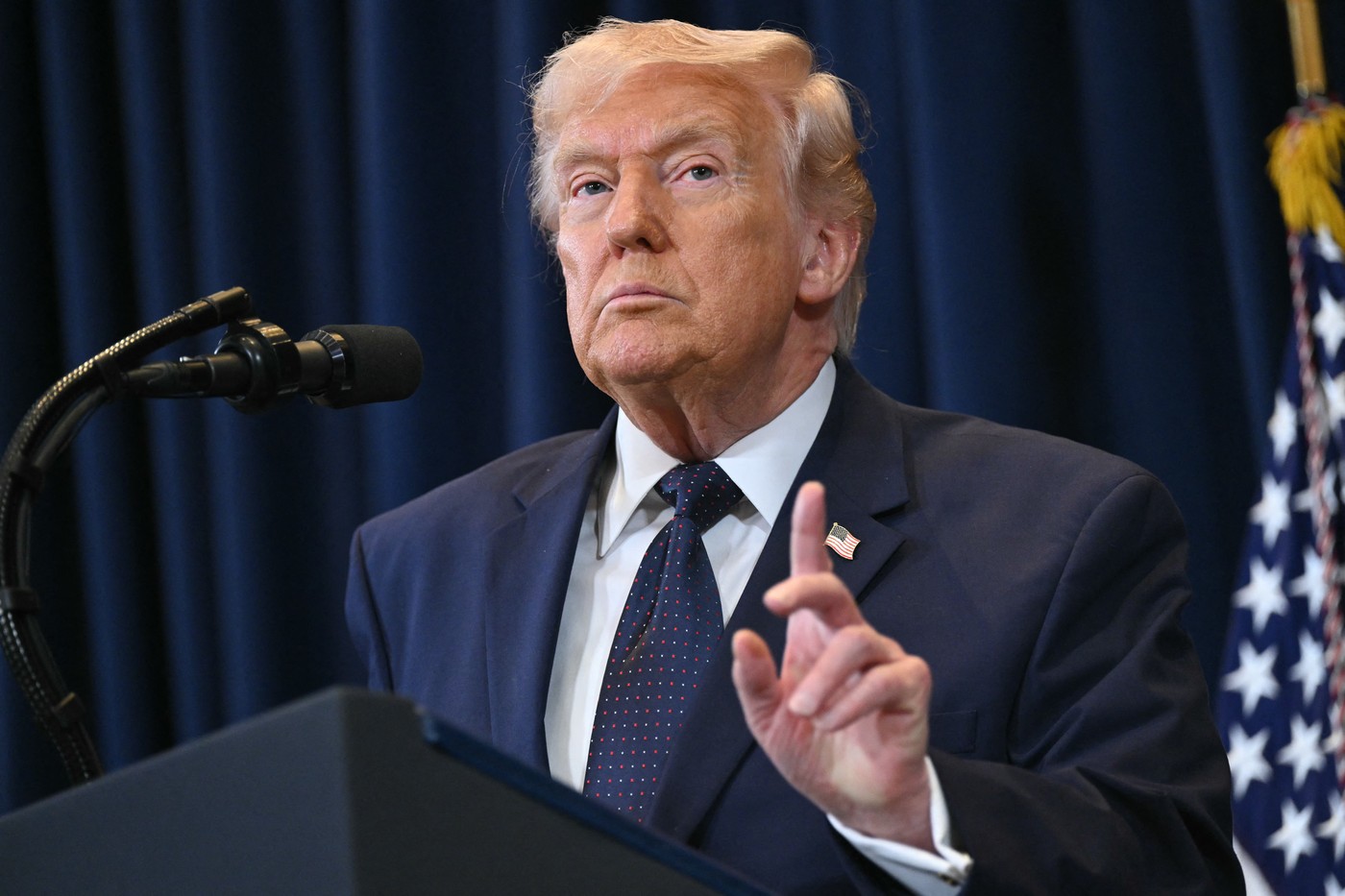
A negotiated deal between Iran and the US to avoid war “looked very possible”, the foreign minister of Oman, which has played the role of mediator until now, said in an opinion piece published by The Economist.
The Guardian, which picks up the main points from the text, notes that Badr Albusaidi dropped the restraint characteristic of diplomatic language to describe the war as a “catastrophe” and asserted that Donald Trump's administration “has lost control of its own foreign policy”.
It is a significant shift from the role of mediator in the conflict played until now by the state to the south of Iran. Oman has a long history of acting as a bridge between Iran and other states in the region and beyond.
“America's friends must help her get out of an illegal war,” is the title of the opinion published by the minister. “The superpower has lost control of its foreign policy,” he continues.
The outbreak of war – “a shock but not a surprise”
Albusaidi said the US and Iran were “one step away from a real agreement” on Iran's nuclear program twice in the past nine months, including last June, when the process ended with Israeli-American attacks on Iran and the killing of Supreme Leader Ali Khamenei.
“It was a shock, but not a surprise, when on February 28 – just a few hours after the last and most substantial talks – Israel and America launched yet another illegal military attack against the peace that seemed, for a short time, really possible,” Albusaidi wrote.
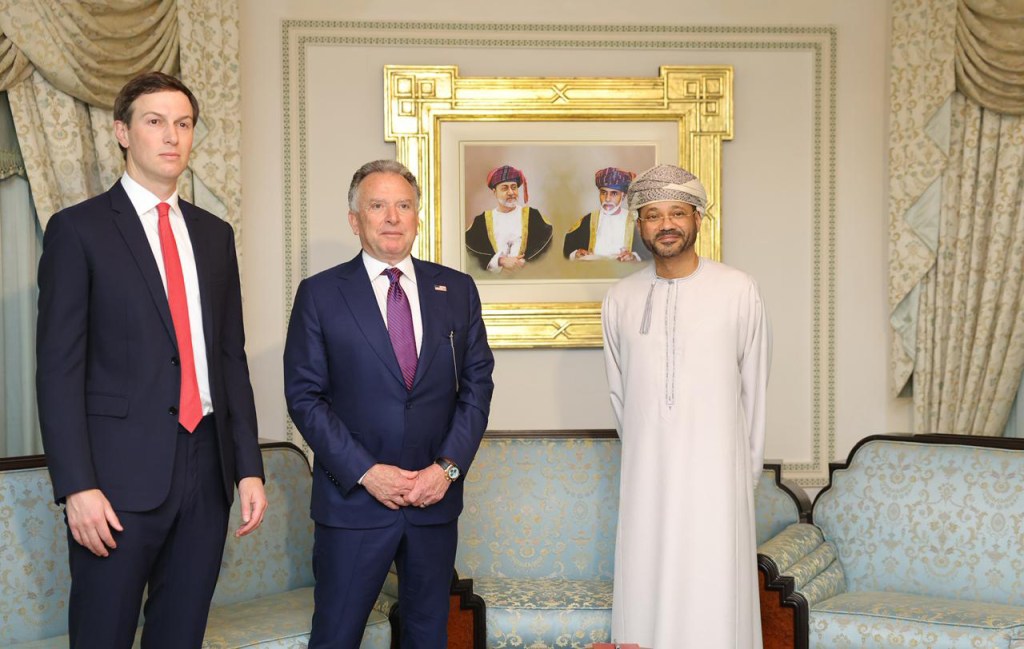
He mediated a second round of indirect negotiations that resumed in Oman on 6 February, with the final round taking place in Geneva on 26 February.
The details of what was being discussed in Geneva are of major importance, experts say, as Trump justified the war by saying Iran posed an “imminent” threat through its nuclear program, The Guardian notes.
The British newspaper revealed this week that Jonathan Powell, Britain's national security adviser, attended the final round of US-Iran talks in Geneva and deemed Iran's proposals “important enough to prevent a race to war”.
The biggest mistake of the Trump administration
Albusaidi blamed “Israel's leadership” for convincing Trump that “an unconditional surrender would follow quickly after the initial assault and the assassination of Supreme Leader” Ali Khamenei, who was killed on the first day of the war.
“The biggest miscalculation of the American administration was, of course, that it allowed itself to be drawn into this war,” writes the Omani minister.
Oman, before war: 'A peace deal is within reach'
Just hours before the United States and Israel launched attacks on Iran on February 28, Oman's foreign minister had announced significant progress in US-Iran negotiations.
“A peace agreement is within reach if we allow diplomacy the space it needs to get there,” Badr Albusaidi declared at the time, in an interview with American television CBS, adding that the main obstacles to an agreement had been overcome.
After the attacks began, he wrote on X: “'I am dismayed. Active and serious negotiations have been undermined again. This serves neither the interests of the United States nor the cause of world peace.'
“And I pray for the innocents who will suffer. I urge the United States not to get drawn further into this conflict. This is not your war,” the Omani official added.
Why did the peace negotiations fail?
Albusaidi said before the war that Iran had agreed not to stockpile excess nuclear material that could be used to build a bomb, a concession he said went beyond the limits of the 2015 nuclear deal negotiated during the Obama administration. In return, Iran wanted the lifting of sanctions that had crippled its economy.
But Donald Trump said before the war that he was “not happy” with the peace talks because Iran “isn't willing to give us what we need to have.”
For his part, US Secretary of State Marco Rubio said that Iran's refusal to discuss its ballistic missile program is a “major problem” as the missiles are “solely designed to hit America” and pose a threat to regional stability.
Iran has rejected discussing limits to its ballistic missile program and ending support for allied groups in the region — an alliance Tehran calls the “Axis of Resistance” that includes Hamas in Gaza, Hezbollah in Lebanon, Iraq's militias and Yemen's Houthis.