Over the past three months, Ukrainian kamikaze drone operators have significantly intensified their bombing of Russian territory. Attacks are being carried out at a record pace, using increasingly dense swarms of drones equipped with larger combat payloads. Importantly, Russian anti-aircraft defense is coping with them increasingly worse.
As the Secretary of the Security Council of Russia, Sergei Shoigu, himself admitted: – No region of Russia can feel safe…
If even the Kremlin is starting to speak directly, there must be something to it – the Russian defense clearly does not demand it, and the drones are doing their job.
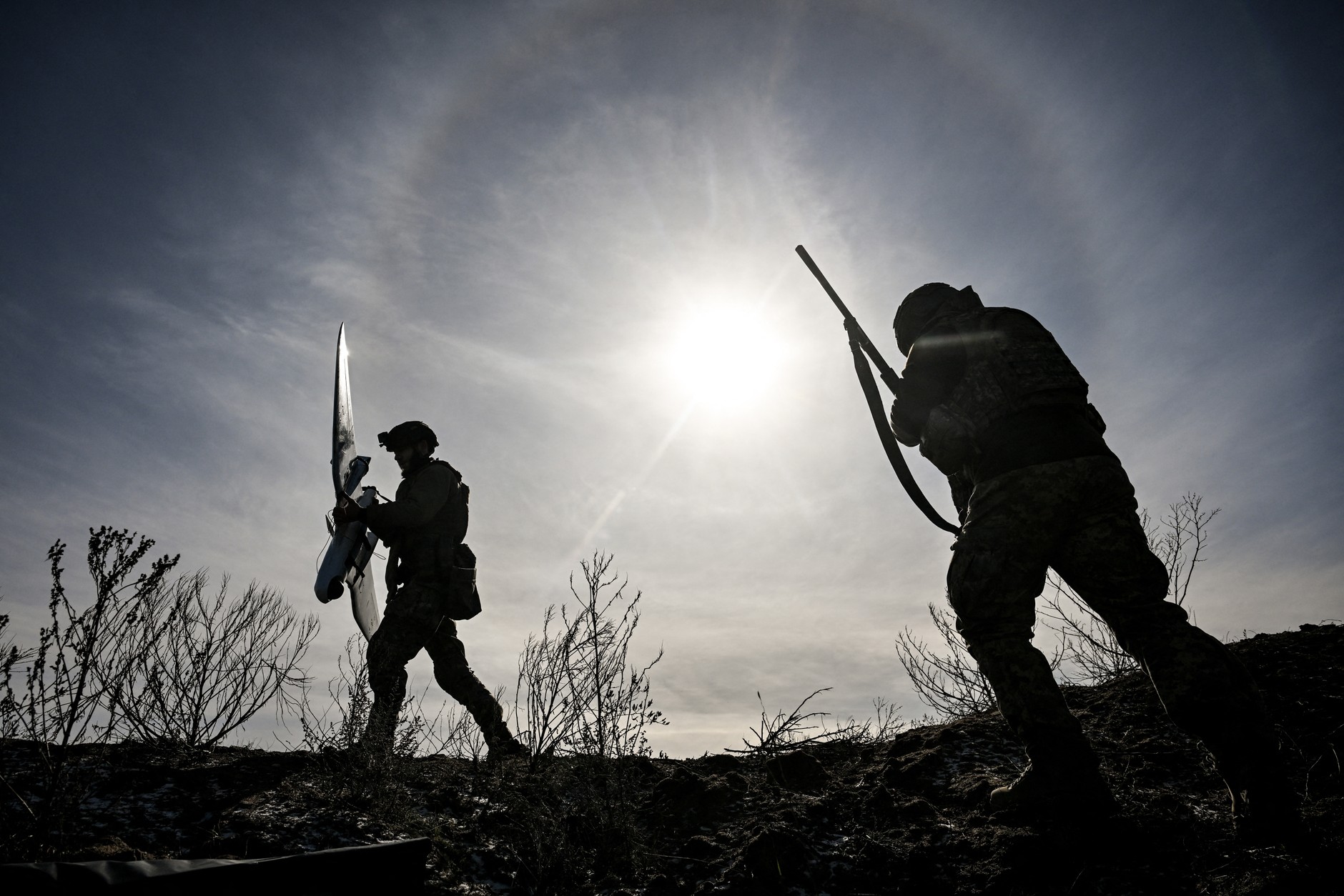
Soldiers prepare to launch an A1-CM “Furia” unmanned aerial vehicle (UAS) used for reconnaissance and correction of artillery fire in the Zaporozhye region, Ukraine, February 22, 2026.Dmytro Smolienko / NurPhoto / NurPhoto via AFP / AFP
According to an analysis published on Wednesday by the Ukrainian research group Oboronka, in the first half of March, Ukrainian drones carried out 40 large attacks on targets located 50 to 250 km from the front line. This rate is about 50 percent. higher than the previous record of the entire war – 57 attacks carried out in December 2025.
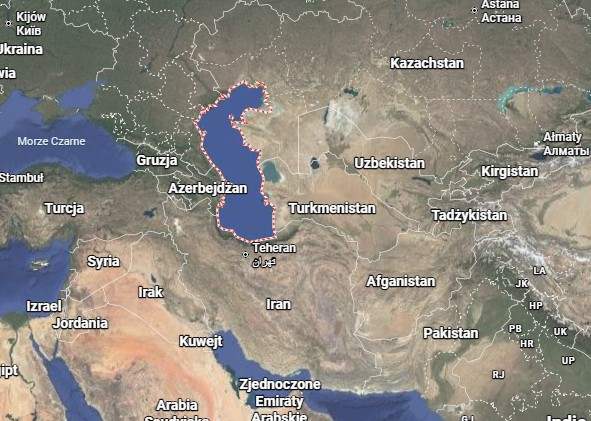
Data collected by Kyiv Post, covering all Ukrainian drone attacks on Russian targets (excluding actions directly on the front line), also shows a clear acceleration. In November and December 2025, Ukraine carried out an average of two long-range attacks per day, with some drones traveling thousands of kilometers, reaching as far as the Caspian Sea or western Siberia.
Caspian SeaGoogle Maps/Google Maps/Onet
At the turn of January, February and March 2026, this pace practically doubled – to approximately four different targets attacked each night. Moreover, the number of drones violating Russian airspace has increased significantly: from 50-70 at the end of 2025 to as many as 100-200 in the last six weeks.
Between February 1 and March 18, 2026, Ukrainian forces conducted at least 110 strike operations using drones. Their goals included, among others: energy infrastructure, military units, ammunition depots and factories producing military electronics, explosives and weapons.
What is particularly significant – in March 2026, for the first time since the beginning of the war, the number of Russian long-range drones attacking Ukraine was comparable, and sometimes even lower than the number of Ukrainian drones striking Russia.
Pantsir in the crosshairs
Experts indicate that the Ukrainian drone forces' campaign of destroying Russian air defense systems played a key role. Although some attacks were occasional, many operations to eliminate Russian rocket launchers, anti-aircraft guns and radars were very complex. They combined the actions of aviation, field intelligence, satellite data from the West and waves of drones coming from unexpected directions or trying to overwhelm the defense with their numbers.
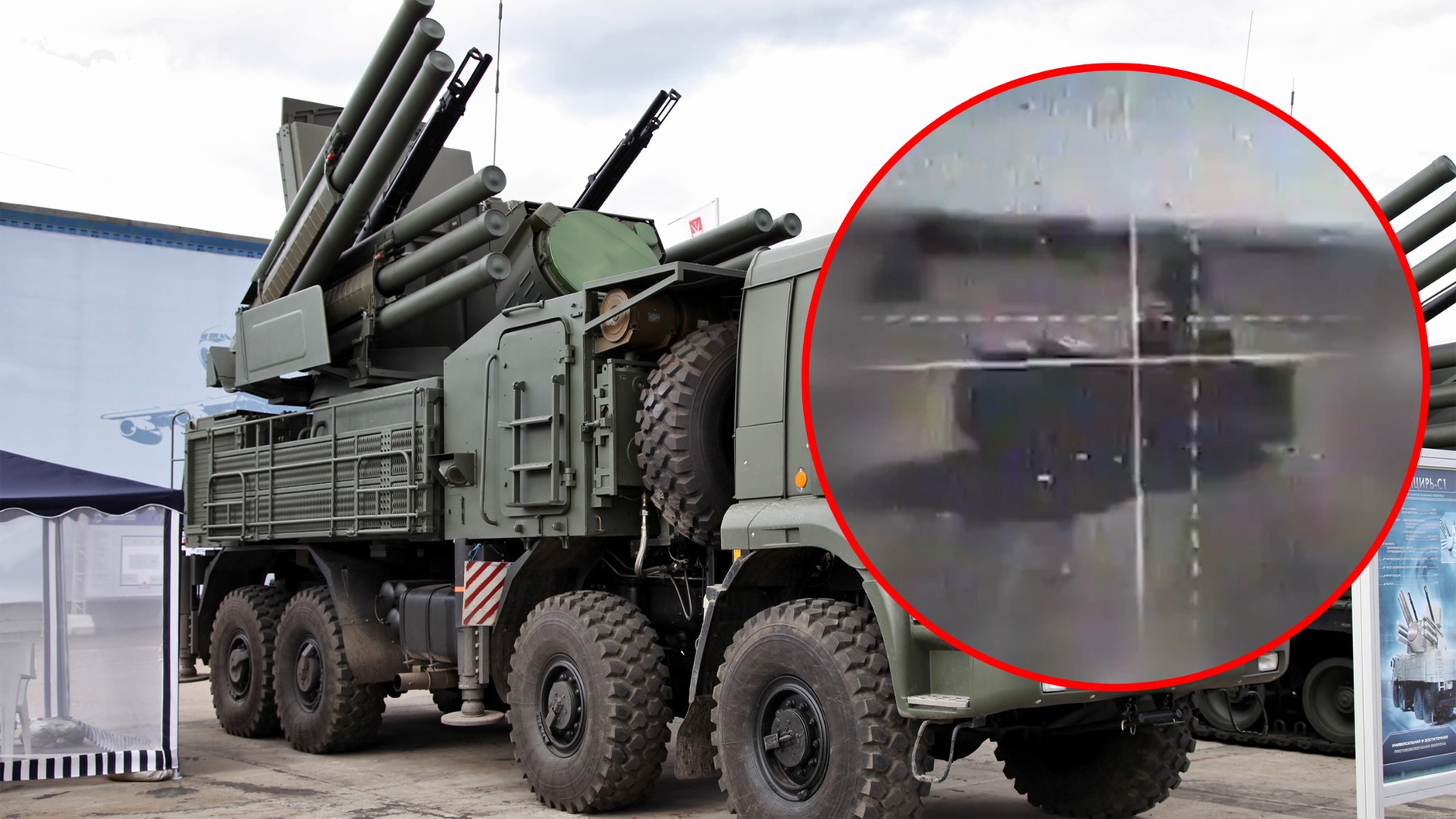
On the night of March 6-7, teams of the Ukrainian Unmanned Systems Forces carried out one such coordinated attack. FP-2 drones with improved warheads weighing over 100 kg were used, destroying four Russian systems in the occupied Zaporizhia and Kherson oblasts in one night. The destroyed targets included three medium-range missile launchers (Buk, Tor and S-300V) and one short-range Pantsir-S1 system.
Pantsyr-S1Vitaly V. Kuzmin, Special Kherson Cat / Wiki Commons
The Pantsir-S1 system, a mobile point defense system mounted on a truck, has become one of the most important targets of Ukrainian attacks. Interestingly, it was designed to combat low-flying drones by Moscow it was presented as the best solution of this type in the world.
“Strategic Mastery”
According to the Ukrainian armed forces, elite teams of pilots and technicians from military intelligence (HUR), special forces (SSO), Security Service of Ukraine (SBU) and Unmanned Systems Forces are involved in operations against Russian air defense.
In February 2026, the Alpha SBU reported that in 2025 and early 2026 it had managed to neutralize approximately half of the operational Pantsir systems in Russia (the cost of one set is USD 15-20 million, i.e. approximately PLN 60-80 million). The pace of attacks increased further in February and March, as subsequent formations reported destruction of these systems.
Military analyst James Marinero described the actions as a “fundamental shift” and a “strategic mastery” that “transforms the dynamics of the conflict.”
The systematic destruction of anti-aircraft missile systems and radars is progressing at such a pace that the Russian arms industry cannot keep up with replenishing the losses. As a result, the frontline remains increasingly less protected
– Oborenko's report notes.
The article continues below the video
In March, the pace of Ukrainian attacks increased and the gaps in Russian air defenses widened they began to be noticed even in the Kremlin.
The pace of development of strike systems [Ukrainy]especially unmanned aerial vehicles, and the increasingly advanced tactics of their use mean that no region of Russia can feel safe… Until recently, the Urals were beyond the reach of such attacks, today they are in a constant threat zone
– admitted Secretary of the Security Council of Russia, Sergei Shoigu, in a statement on March 16.
A similar position was expressed by State Duma deputy Andrei Gurulov, who said that Russia is “too vast” to effectively defend itself against deep drone strikes, and its air defense forces are “too dispersed.”
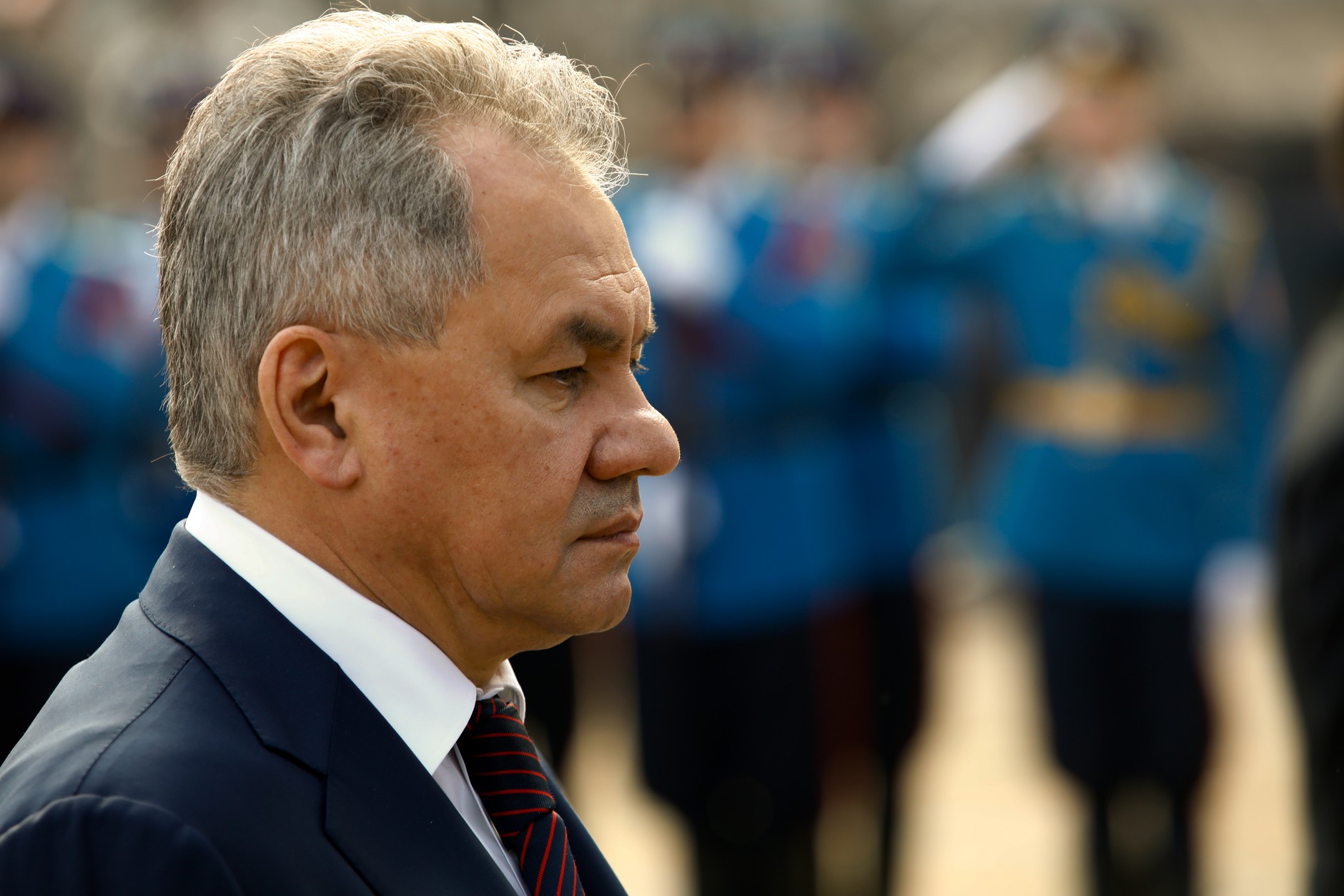
Russian Defense Minister Sergei ShoiguSasa Dzambic Photography / Shutterstock
Night of 300 drones
The availability of an increasing number of precision kamikaze drones capable of striking targets hundreds of kilometers away has allowed Ukraine to set another record – the number of drones used in a single night raid.
One of the largest operations of this type took place on the night from Wednesday to Thursday, when – according to Ukrainian sources – 250-300 drones entered Russian airspace.
The Russian Ministry of Defense partially confirmed the scale of the attack, reporting that 238 drones were shot down, mainly over southwestern Russia, the eastern part of the Black Sea, the Sea of Azov and occupied Crimea.
Confirmed targets hit on the night of March 17-18 included a chemical explosives plant in Stavropol Krai, a military electronics plant in occupied Sevastopol, and a military base near Mariupol.
The previous night, an aircraft repair facility near Novgorod, an airborne base near Pskov, an oil refinery near Krasnodar, and an unspecified target near occupied Melitopol were hit.
Even earlier, oil storage facilities near the city of Labinsk and a heavy transport aircraft repair plant in the Urals were attacked. Satellite photos showed damaged machines on airport tarmacs and buildings with holes in their roofs.
According to Russian media and official statements, on Thursday, fuel tanks in Labinsk, set on fire by Ukrainian drones, they were still burning intensely.
I’m Ashley Davis as an editor, I’m committed to upholding the highest standards of integrity and accuracy in every piece we publish. My work is driven by curiosity, a passion for truth, and a belief that journalism plays a crucial role in shaping public discourse. I strive to tell stories that not only inform but also inspire action and conversation.