Recently, I saw a meme on Facebook. A picture with a map of Europe with most of the countries labeled. The signature under Slovakia was missing. The author of the map asked Internet users in English: “What is the name of this country?” Someone jokingly wrote in a comment: “Upper Hungary”. “Dám ti také horné Uhorsko, že budeš cítiť moju topánku na zadku” – someone wrote in response, which loosely translates as: “I will give you such Upper Hungary that you will feel my shoe on your buttocks.”
Slovaks do not find it funny to call their homeland Upper Hungary. This is a historical matter.
When entering this part of Slovakia, you can feel that you have crossed some invisible border
Poland has over a thousand years of statehood: the baptism of our country took place 1,059 years ago, and a thousand years ago we had our first crowned ruler. At the same time, Slovakia was an independent state for only 38 years: during the Second World War, when the then fascist Slovakia ruled by Father Tiso was a German collaborator, and from 1993 for the remaining period it was part of Hungary, the Czech Republic and Poland.
Why do Slovaks have a problem with Hungarians?
What are Slovaks' feelings towards Hungary?
What does Blanka say about Hungary?
What is the economic situation of areas with the Hungarian minority?
An example is the so-called Conspiracy pledge belonging to Poland for 357 years. The Spiš starosty established on its territory included cities such as today's Poprad, Lubovla, Spišská Nová Ves and Podoliniec.
After World War I, the Second Polish Republic wanted to fight for the incorporation of the Spiš territories into Poland, but the national plebiscite in Spiš was not held due to the Polish-Bolshevik war. Later, the inhabitants succumbed to Slovak influence and, according to the Slovak census conducted in 2021, today in Lubovla or Podoliniec, at most 5 percent of the population consider themselves Polish.
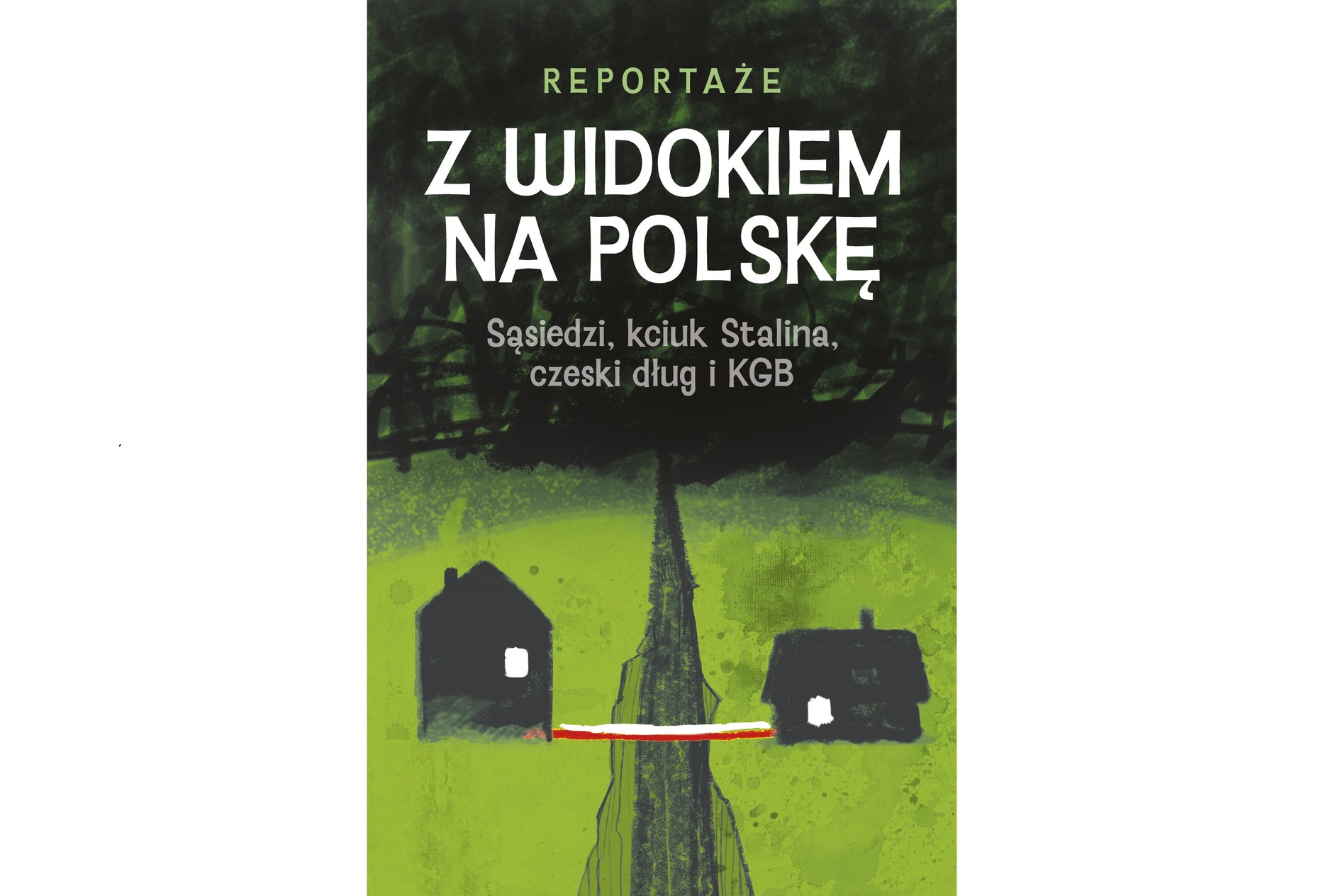
With a view of Poland. Neighbors, Stalin's thumb, Czech debt and the KGBOnet
Meanwhile, north of the border between Slovakia and Hungary, in a strip approximately 40–60 kilometers wide, there is a very large Hungarian diaspora. The names of villages and towns there are Slovak and Hungarian, which is a thorn in the side of many Slovaks (for comparison, in Poland, in the Opole region, no one has a problem with bilingual names, Polish and German).
When entering this part of Slovakia, you can really feel that you have crossed some invisible border again. Hungarian villages in Slovakia are severely underinvested. The streets were last renovated there 40 or 50 years ago, there is no question of repairing the sidewalks, nor is there any renovation of old school buildings.
Slovaks do not want to invest there. They are afraid that one day they may lose these areas. Where do these concerns come from? The census shows that in this country there are 500,000. people consider themselves Hungarians. This is 9 percent of the population, but right on the border with Hungary there are villages where as much as 90 percent inhabitants declare Hungarian nationality.
Economically it is Slovakia B
— These people are ordinary “coots” – commented Blanka, a 60-year-old Slovak, using a Slovak vulgarism similar to the Polish word ch**. – We have a problem with them. The Hungarian minority in Slovakia is a bit of a fifth column. We seem to be living well with Budapest now, but who knows… The Hungarians may one day come to these areas with their army.
The area with a large Hungarian minority does not only look neglected at first glance. Economically, it is Slovakia B. There are practically no large factories here, and the Slovaks do not plan to build a single expressway from the planned expressway network here. This is strange because we are talking about rather lowland areas where road construction is relatively simple.
Despite this, most Slovak highways and expressways are or will be built on land that is more difficult in terms of engineering – but ethnically purely Slovak. Because for Slovaks, Hungarians are an eternal enemy. In Poland, Russians and sometimes Germans are often perceived this way.