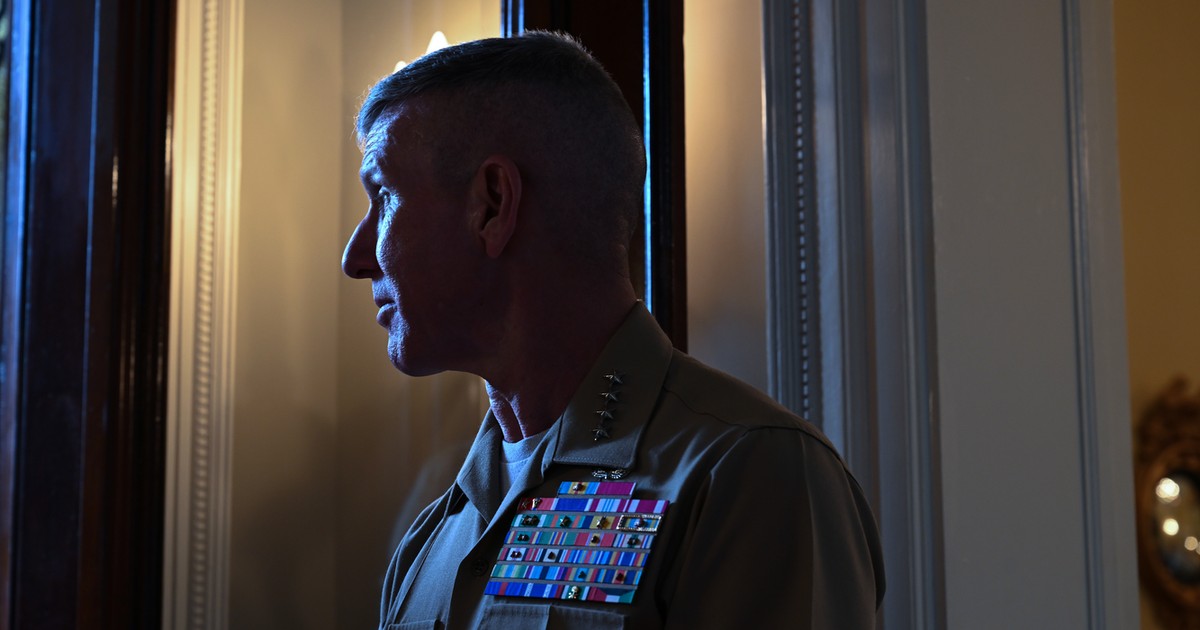
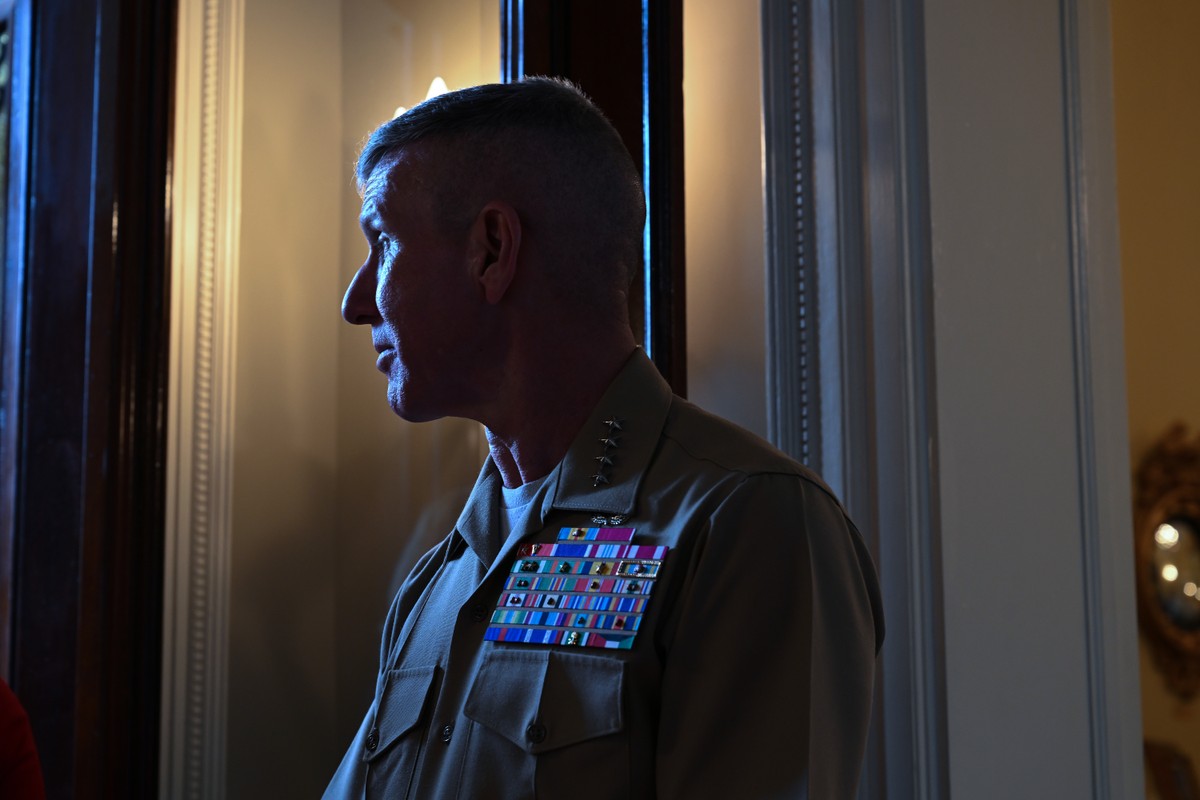
The decision was approved by Secretary of Defense Pete Hegseth, following the request of the US Central Command, which is responsible for the operations of US armed forces in the region, Rzeczpospolita reports. The new group is to be ready for landing and serve as an expeditionary marine unit.
The dispatch of additional forces is part of a broader plan to stabilize the situation in the region and secure global trade routes. The action was taken amid ongoing conflict that has resulted in the closure of the Strait of Hormuz, a key oil transport corridor.
The landing ship USS Tripoli, previously stationed in Japan, along with Marines, is on its way to the Middle Eastd.
Read also: New threats from Iran after the blockade of the Strait of Hormuz. “WSJ”: The Houthis are ready for action
The growing tension in the region and Iran's attacks on the Strait of Hormuz have paralyzed traffic on the strategic waterway, which has translated into disruptions in the global economy, rising gasoline prices and serious political and military challenges for President Donald Trump. Sending additional forces may be a signal of readiness for a possible land operation.
The US president did not rule out such a scenario, although he declared that it was not currently being considered. In an interview with Fox News, when asked about the possibility of seizing the Iranian island of Khark, Trump dismissed the question, suggesting that he would not reveal such a decision to the media.
Read also: These ships passed through the Strait of Hormuz. Flags of two countries
The foreign and economic ministers of ASEAN countries called for an immediate end to hostilities, pointing to the economic impact of rising oil prices and trade disruptions.
The closing of the Strait of Hormuz caused oil prices to rise above $100 per barrel. As a result, global stock exchanges recorded declines – US indices fell by over 1.5% on the same day.
The new leader of Iran, Mojtaba Khamenei, announced the closure of the Strait of Hormuz, describing it as a “tool of pressure” and announcing that it will remain closed