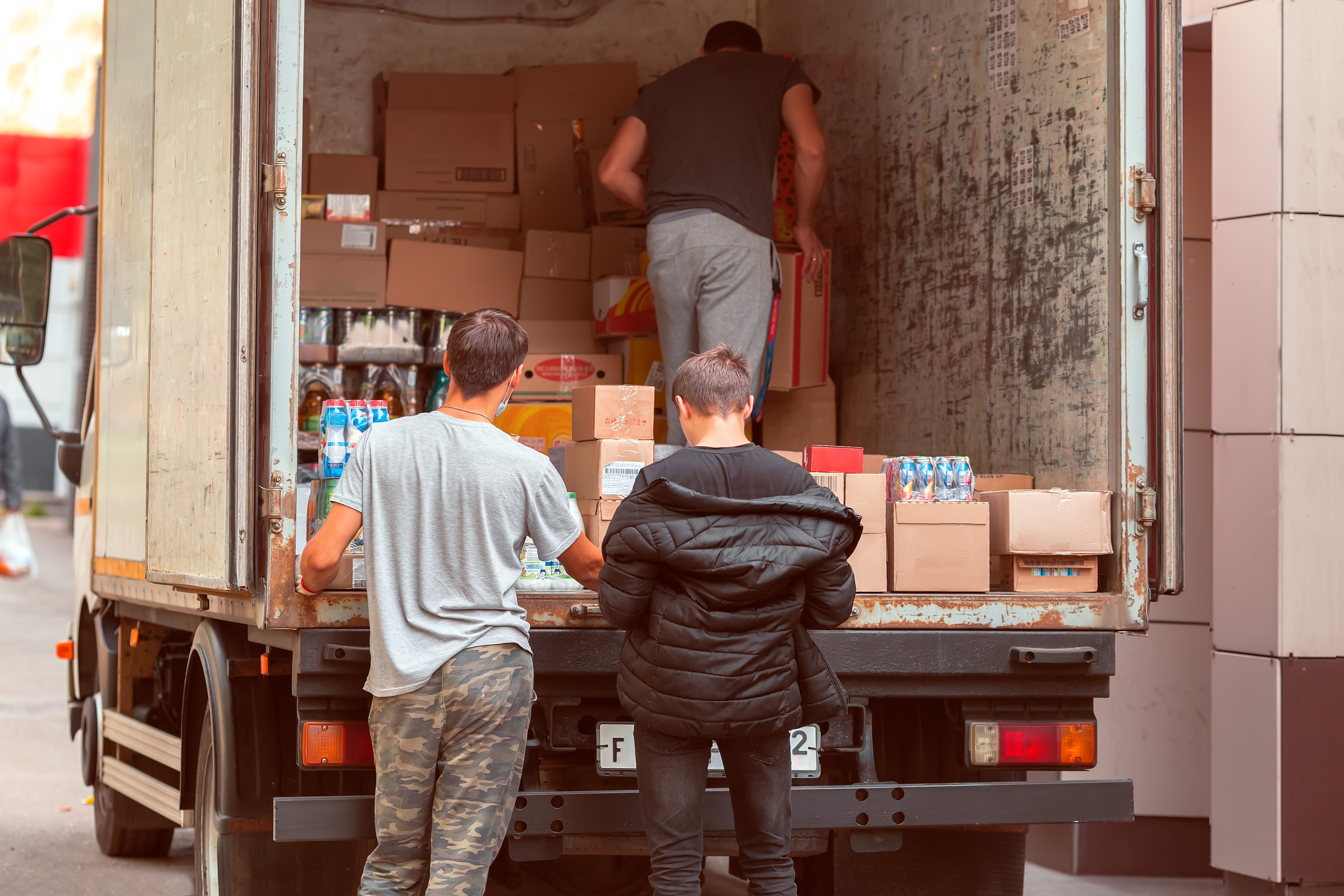
Friday morning around 6:00 a.m., a truck pulls into the parking lot of a hypermarket, and employees begin unloading crates of merchandise. You wouldn't say you're witnessing a geopolitical scene, would you? In the store, the shelves are full: bread, yogurt, meat, vegetables. The mundane price tags do not suggest that thousands of kilometers away military ships are patrolling one of the world's most sensitive energy routes. And yet, that's exactly where the story begins.
That's right, the war between Iran and the US-led coalition isn't directly hitting farms or wheat silos. But it hits oil, gas and shipping, the invisible ingredients of almost every food.
In the economy, the chain is almost mechanical: energy → transport → agriculture → supermarket.
The store shelf is the last piece of the domino.
The first wave: oil
The Strait of Hormuz – a strip of water between Iran and Oman – is one of the planet's most important energy arteries. About a fifth of the oil traded globally passes through this area.
When military tensions rise, markets react immediately. Oil companies raise risk premiums, marine insurance becomes more expensive, and traders buy oil anticipating possible blockages.
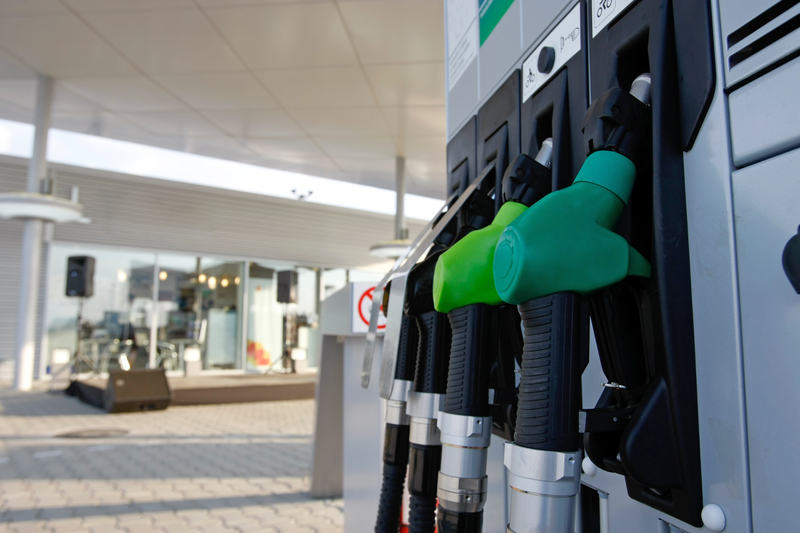
For modern agriculture, oil is not just fuel for transportation. It is present almost everywhere: in diesel for tractors and other agricultural machinery, in fuel for refrigerated trucks, in the energy used for warehouses and logistics centers or in packaging and distribution costs.
Second wave: transport and logistics
The global food industry depends on an enormous logistics infrastructure. Wheat from Ukraine reaches North Africa. Soybeans from Brazil reach European farms. Spices cross oceans.
When a strategic area becomes unstable, costs increase for several reasons: shipping routes become longer, insurance costs increase, transportation fuel becomes more expensive.
Even if there is no physical shortage of food, logistics become more expensive. And these costs are gradually transferred into the final prices.
In many episodes of food inflation in recent decades, transportation has played as large a role as crops.
The third wave: fertilizers
There is also a less visible but extremely important channel: fertilizers. This is the part that many people skip.
Fertilizers are one of the most important transmission channels in food prices. According to Reuters, the war has caused major difficulties for fertilizer factories in the region and disrupted shipping through the Strait of Hormuz just as decisions are being made on what new crops to plant in the northern hemisphere. This means that the real effect on food prices may be delayed: farmers either pay more for fertilizer, use less fertilizer, or plant other crops. Any of these decisions can affect the price of future crops.
Fertilizer production is one of the industries most dependent on natural gas. Nitrogen – the central element of fertilizers – is obtained using huge amounts of energy. If the price of gas rises or transportation becomes more expensive, the production of fertilizers is reduced or more expensive.
That is why the effect of a geopolitical conflict on food sometimes appears with a delay of one agricultural season.
The Fourth Wave: The Psychology of Inflation
The food economy is also an economy of expectations.
If traders believe energy will remain expensive, grain futures prices rise. If processors expect higher costs, they adjust contracts. If retailers fear future price increases, margins change. Thus, the second round of inflation appears: not the one directly caused by costs, but the one caused by expectations.
In recent episodes of global volatility – the pandemic or the war in Ukraine – this psychological component has played a key role.
Why Romania is not fully protected
At first glance, Romania seems relatively protected. It is one of the largest grain producers in the European Union and exports significant amounts of wheat and corn.
But modern agriculture is highly interconnected. Even in an agricultural country, food costs depend on global factors: fuel needed for machinery, imported fertilizers, energy for processing, transport and refrigeration, or that used for packaging and distribution
In other words, Romania can produce wheat, but it does not produce all the energy and logistics behind the bread.
That's why food inflation often reaches the supermarket even when local harvests are good.
From geopolitics to the tax bill
To consumers, the chain seems abstract. A military conflict in the Persian Gulf has no apparent connection to the price of tomatoes or yogurt in a shop in Bucharest.
But the global economy works as an interconnected system. A disruption in a strategic point – such as the Strait of Hormuz – can trigger chain reactions: energy, transport, agriculture, retail.
Modern wars affect the global economy not just through direct destruction, but by disrupting the invisible networks that support world trade. Energy, transport and finance are these networks. And when they are destabilized, the effects can reach even the most mundane everyday gesture: shopping for dinner.
In a globalized world, the distance between a conflict in the Middle East and the price of a loaf of bread can be much shorter than it seems.