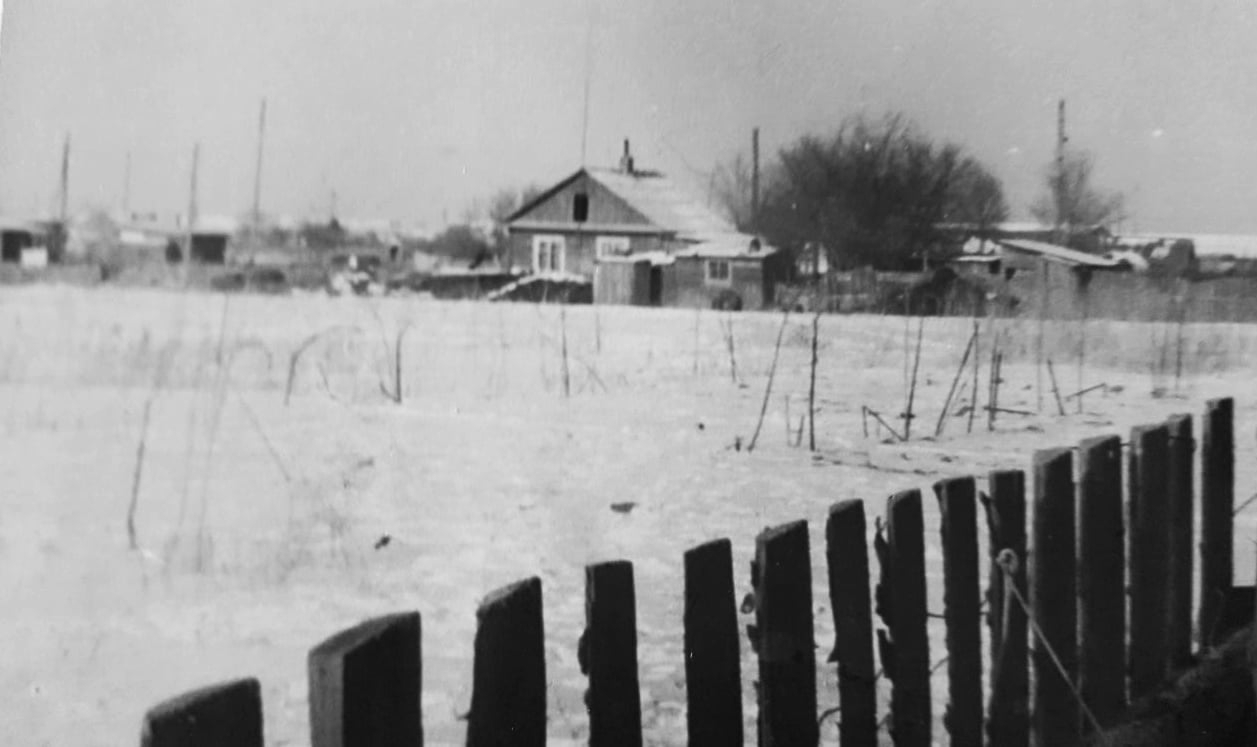
With. Blessed. Oktyabrsky district of the Jewish Autonomous Okrug
Photo: State Archive of the Jewish Autonomous Region
March 11, 1935
The organizing bureau of the regional committee of the All-Union Communist Party of Bolsheviks in the Jewish Autonomous Region discussed the issue “On the work of the technical school for agricultural mechanization.” The adopted resolution aims the party organization and the administration of the technical school to strengthen the party's mass educational work among students and improve the quality of education.
March 11, 1969
A meeting of the active members of the regional party organization discussed the tasks of the regional party organization to increase the production of grain and other agricultural and livestock products in 1969. The activist meeting recommended that the regional party organization focus its main attention on using land with maximum efficiency, further increasing the yield of grain and forage crops, soybeans, potatoes, vegetables, livestock and increasing its productivity.
March 11, 1974
In the reference and information publication “Administrative-territorial structure of the Jewish Autonomous Region 1858-2003.” (0+) information is posted that the settlement of the first branch of the Izvestkovy state farm was given the name “Dvurechye village” in accordance with the decision of the regional executive committee of the Jewish Autonomous Region dated March 11, 1974 No. 97 “On assigning names to individual settlements of the Jewish Autonomous Region.”
Information: Dvurechye is a village in the Obluchensky district of the Jewish Autonomous Region, part of the Izvestkovskoye urban settlement.
The village of Dvurechye stands on the right bank of the Kuldur River, two kilometers to the south the Sutara River flows. The Trans-Siberian Railway and the Chita-Khabarovsk highway pass through the village of Dvurechye.
March 11, 1964
The newspaper “Birobidzhan Star” (12+) of 1964, in the section “District everyday life. Oktyabrsky district” writes that every year hundreds of families of immigrants from the western regions of the country and the cities of the Khabarovsk Territory come to the state farms of the region.


“The first batch of new settlers has already arrived. The workers of the Pogranichny state farm accepted 38 migrants from the Gorky region into their team. Among the arrivals are many tractor drivers, combine operators, drivers, and carpenters.”
The newspaper contains information that the first issue of the photo bulletin of the district party state control committee “Under People's Control” (6+) has been published. The photo lens of the people's inspectors “captured piles of deteriorating materials in SMU-5. The caption under the photo indicates the specific culprits of mismanagement.”
In this section, readers were informed that a regional school amateur art competition (6+) was held in Amurzet. Over 400 school amateur performance participants took part in the show. Young artists competed for the best performance of folk songs, dances, dramatizations, acrobatic and other numbers. At the regional Olympiad (0+), an exhibition of children's creativity was presented, which featured visual aids in physics, biology, geography, models of tractors and agricultural machines, various household items, tools, sewing products and much more made by students.
March 11, 1983

Clippings from the newspaper “Birobidzhan Star”. Photo: Photo: Regional Library
The newspaper “Birobidzhan Star” in 1983, under the heading “In the regions of the region. Smidovichsky”, posted information that a gathering of fellow villagers was held in the House of Culture of the village of Volochaevka-2, dedicated to strengthening labor discipline and public order. This event was attended by railway workers of the station, workers of the dairy plant and other organizations and enterprises of the village.
The challenge Red Banner of the Khabarovsk branch of the Far Eastern Railway was presented to the staff of the In. This is an award for hard work in the fourth quarter of 1982.

The newspaper also reported that a women's council had begun to work in the regional center. It included the most enterprising women of the village. Three sectors have been created: mass cultural, household and general education sectors.