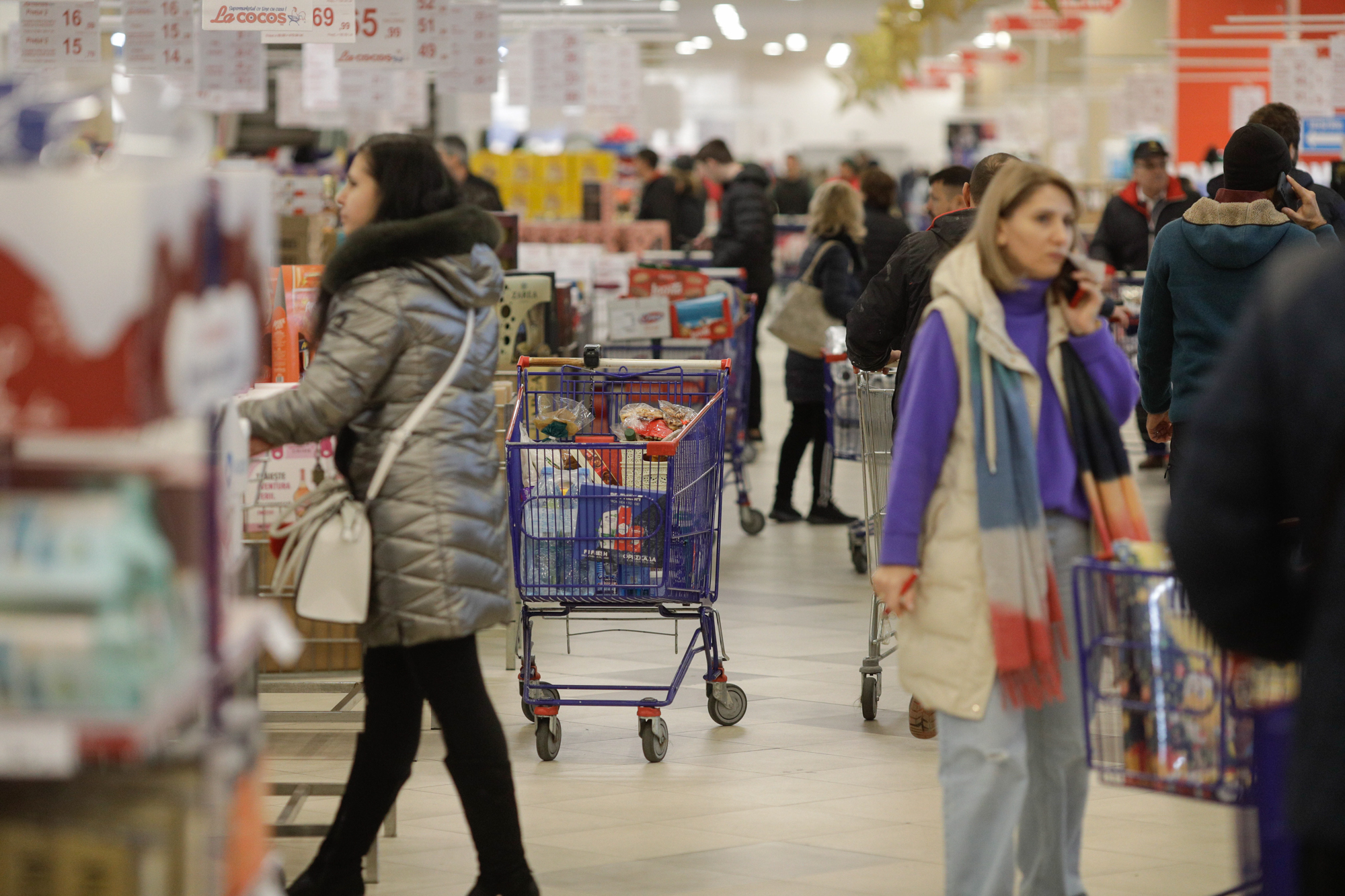
You will likely see price increases, especially through fuel and transportation costs, but not a “price explosion of all foods.” At this point there is no reason for a family to panic.
What the war in Iran is changing
The conflict has already pushed oil prices above $100 a barrel, and the latest analyzes are talking about a price of $150/barrel if the conflict drags on.
For import-dependent economies like Romania, higher oil and gas prices mean more expensive fuel, transport, fertilizer and energy, which is slowly fueling inflation for many goods, including food.
A 10% increase in oil prices would add approximately 0.3 percentage points to annual inflation, which could force economists to revise their current forecasts, says BNR deputy governor Cosmin Marinescu.
Paradoxically, the state budget could benefit from the conflict in the Middle East, says the chief economist of the Concordia Confederation, Iulian Lolea. “The state owns energy companies from which it will collect higher dividends, and the excise duties – applied as a percentage – will generate increased revenues. Those who will suffer the most, instead, are the transporters, the chemical industry and the HoReCa sector”, he believes.
This text is an excerpt from the “Economix” newsletter, which journalist Dan Popa sends every Thursday morning. If you are interested in personal finances and want to receive economic recommendations, you can subscribe here:
Romania's situation
Romania still has high general inflation (around 9-10% year-on-year at the beginning of 2026), which had slowly started to decline. Attention, the decrease in inflation does not mean a decrease in prices, but only a slower increase in them.
Food prices were already rising by around 7-8% annually even before this latest shock, and analysts estimate that a 10% increase in oil prices adds around 0.3 percentage points to Romania's inflation, making it one of the most sensitive economies in the region.
The first link is obvious: fuel. Gasoline and diesel are the products that react the fastest to oil shocks. A 10% increase in the price of oil translates into about a 4–5% increase in fuel prices in a few months, according to a report by Erste Bank. This is where the domino effect begins.
Shipping is getting more expensive. Trucks that deliver food to supermarkets pay more for diesel. Couriers who deliver parcels online pay more for each kilometer traveled. Logistics companies are adjusting their rates.
In a few months, these costs end up in the prices of the products.
Will “all food prices” go up?
You should expect higher prices in the coming months for transport- and energy-dependent goods (imported food, greenhouse vegetables, processed products) and for services in general.
The direct effect reflects the impact of oil prices on consumer energy prices, which is usually large and proportional to the share of energy in the consumer goods basket. In Romania, energy products represent a considerable share of the basket of consumer goods (16.3%), of which almost a third is made up of transport fuels (gasoline and diesel). According to Erste's results, a 10% increase in the price of oil could lead to a 2.4% increase in gasoline and diesel prices in the first month and a 4.8% increase in a quarter.
On the other hand, indirect effects refer to changes in consumer prices that occur as a result of the impact of oil prices on production, logistics and distribution costs. In other words, a change in oil prices can affect consumer prices of non-energy goods and services that are more oil-intensive, such as chemical goods and transportation services, the report said.
Should you stock up?
Reasonable precautions make sense; panic shopping does not.
It makes sense to keep a small buffer stock of non-perishable essentials that you actually use (pasta, rice, canned goods, detergent, hygiene products) for 2-4 weeks, especially if you find decent prices now.
Avoid overstocking fresh food and avoid going into debt or draining your savings just to “beat” any possible future price increases; the likely gain is small compared to the stress and risk.
If you're worried, a more effective strategy is to watch supermarket prices, buy on sale (and only for products you use regularly) and cut non-essential expenses to make room in your budget for higher utility and fuel bills.
Other rubrics in the newsletter:
- What is the psychological threshold of the price of gasoline at which you would give up the car?
- Countries with the oldest inhabitants
- Is it better to prepay my mortgage?
- Book Recommendation: “A World for Sale. About Money, Power and Traders of Planetary Resources” by Javier Blas and Jack Farchy
- Countries with the highest ChatGPT usage by population