Russia is ready to supply oil and gas to European countries, Putin announced. “Let them show that they want”

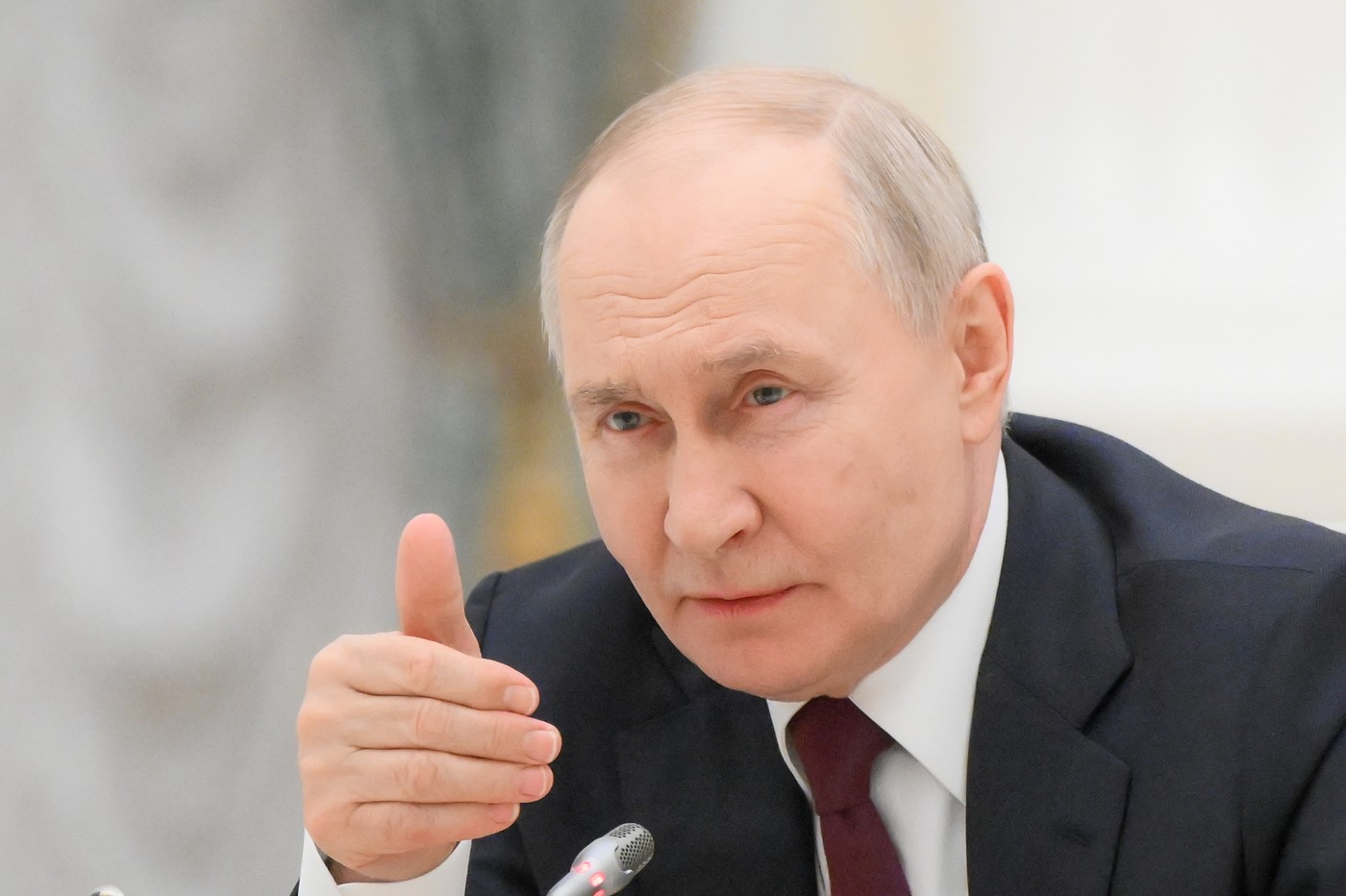
Russian President Vladimir Putin assured on Monday that he is ready to supply oil and gas to European countries if they declare themselves in favor of “sustainable and stable cooperation” with Moscow, in a context of a sharp increase in prices due to the war in the Middle East, reports AFP.
“We are ready to work with the Europeans, but we need them to show us that they are ready and willing,” Putin said during a government meeting devoted to the situation on the hydrocarbon market.
Oil prices jumped 25-30% on Monday morning at the opening of financial markets due to the situation in the Middle East, and – even if after a few hours the increase moderated to about 15% – the level of quotations is not seen since mid-2022.
Effects also appeared in the gas sector, whose price jumped by 30% in the morning in Europe. The war boosts profits for US gas exporters, and the EU pays the bill.
The previous energy crisis was caused by Russia in 2021, following the reduction of gas supplies to Europe, being accentuated by the invasion of Ukraine in 2022. Europe has managed, in recent years, to get rid of Russian dependence, looking for new sources of supply, including liquefied gas from the US.
Europe, the most exposed economy
Rising tensions around Iran and uncertainty over navigation through the Strait of Hormuz, one of the world's most important energy routes, have pushed up gas and oil prices on international markets.
European economies depend almost entirely on imports of oil and, to a significant extent, on liquefied natural gas. About half of the gas imported by the European Union arrives in the form of LNG, making it highly vulnerable to disruptions in global supply chains.
The European Union may have to compete directly with other regions for the limited volumes of LNG available on the market, especially if energy flows from the Middle East are disrupted.
How Europe remains vulnerable to every crisis
For the European Union, the crisis brings decades-old structural vulnerabilities back to the fore. In the absence of quick alternatives to energy imports, the EU bloc remains exposed to external shocks.
In the long term, analysts say Europe's energy security will depend on accelerating investment in renewable and nuclear energy, as well as electrifying the economy.
Without these changes, Europe risks remaining vulnerable to every geopolitical crisis that shakes the global energy markets, while the profit goes to other parts of the world, the Euractiv analysis also shows.