One of the most important traditional Romanian holidays is celebrated on March 9. It is about the “40 Saints” or workers, an event both Christian and pagan, which marks the crossing of the boundary between winter and spring and the beginning of the agricultural year.
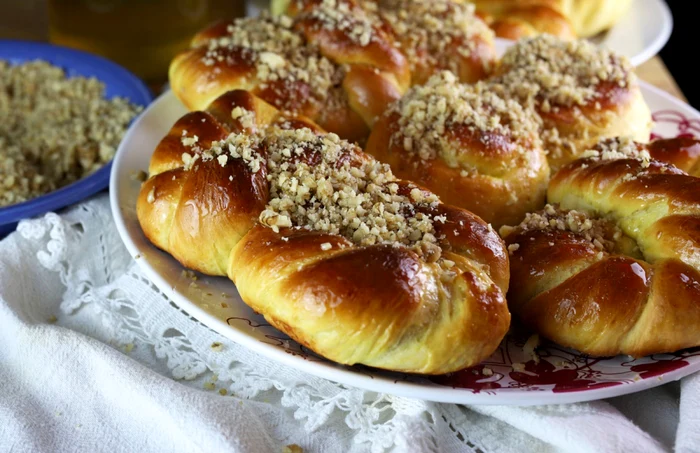
Moldovan martyrs PHOTO Shutterstock
In the past, the new year was celebrated by the Romanian peasant with some tumultuous rituals, which remind us of our Thracian background, on March 9. It was the Day of the Martyrs, of the Sorcerers, of the “40 Saints”, 40 cups or the end of Baba Dochia. In short, a celebration with Christian and pagan elements mixed in a crucible of ancestral traditions in which Neolithic customs can easily be found, from the Iron Age or who knows how long ago. On this day, Romanians celebrated the transition from winter to spring and the beginning of the agricultural year, particularly important in the rural economy. In addition, the villagers had the opportunity to consume the delicious sventișors, martyrs or macinici, named according to the ethnographic area.
The difference between the Moldavian martyrs and the mountain martyrs
Martyrs, also known as millers or saints, are actually pretzels in the shape of the figure eight, made of dough and flavored with different ingredients. The nut plays a primary role. Although the shape is preserved everywhere in Romania, the size of these “eights” in the dough differs from north to south. This dessert of authentic Romanian cuisine hides in that “eight” of the dough a true theological and symbolic universe, both Christian and pagan. From a Christian point of view, the martyrs are loaded with meanings associated with the martyrdom of the 40 soldiers of the Twelfth Lightning Legion, stationed at that time at Sevastia in Asia Minor (present-day Turkey). In short, these 40 Roman soldiers were Christians of Armenian origin and lived during the time of Emperor Licinius. This was a persecutor of Christians.
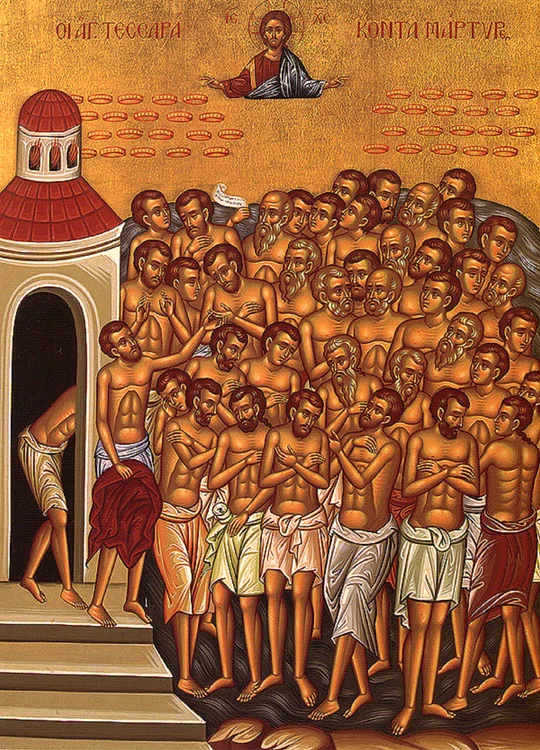
The 40 workers PHOTO wikipedia
When the garrison commander allegedly asked all the soldiers to worship the idols, the 40 Christian soldiers refused. Because of this, they were tortured for eight days. Later, they were put into the waters of Lake Sevastia to freeze. The soldiers prayed to God to protect them. The deity heated the water and they survived. They were later killed on the emperor's orders. This is where the shape of this dessert comes from, from the number eight, symbol of the martyrs' days spent in torture. The bowl in which the mountain martyrs are served symbolizes the waters of Sevastia. From the pagan point of view, the workers are actually the estates. Baba Dochia shakes off all nine of his husks and dies. It is a symbolic death of winter. After the death of Baba Dochia, nature falls into the hands of the grandfathers, who are the male deities of spring, representing fecundity.
“The state of uncertainty ends on the 9th of March, corresponding to the spring equinox in the Julian Calendar, when Dochia freezes to death and her body becomes a stone pit: the primordial telluric from which she is reborn, along with Baby Dochia, Time and the Universe. The second part of the cycle, The Inheritance, expresses the joy that the world has been saved from destruction.”stated Ion Ghinoiu in “Popular customs over the year”.
The Christian and the pagan holiday blended harmoniously and gave birth to a genuine syncretism, with sweets to commemorate the saints and a drunkenness of pomina as thanks to the Thracian Dionysos. Returning to the culinary symbol of this holiday, we can say that there are two main categories of workers. It is about the mountain ones, small, cooked in liquid, and the Moldavian ones, also called saints, big, fluffy and well rolled in walnut.
“Sacramental food, shaped in anthropomorphic, zoomorphic or phytomorphic faces, Măcinicii symbolize the sacrifices made at the New Year, celebrated in ancient times at the spring equinox. Măcinicii have a rich zonal synonymy (Sfinţi, Sfintisori, Sâmti, Bradoşi, Brăduleți, Brânduşei, Moşi de Paresimi) and are prepared by two culinary techniques: baking or boiling the dough shaped. The dough is kneaded with honey, nut kernels are added to it and baked in the oven or on the stove. The mince pies are usually anthropomorphic figures, with heads, eyes, hands and feet, or rolls in the shape of the figure eight, also imitating the human face.”stated the late author and traditional gastronomy enthusiast Radu Anton Roman, in “Cooking, wines and Romanian customs”.
Another legend said that the Grandfathers were the spirits of the dead who visited their relatives on March 9.
The recipe for mountain martyrs boiled with juice
Recipe for martyrs with sweet juice, cooked in Muntenia and Oltenia, also known as bradoși, braduleti or branduti. According to the recipes collected by Radu Anton Roman from the peasants in the Muntenia area, to prepare some mountain martyrs we need: 125 ml of oil, 1 teaspoon of salt, 500 ml of water and a kilogram of flour, all for the dough. Next comes the preparation of the syrup, which is prepared with: a cup of ground walnut kernels, three tablespoons of sugar, a teaspoon of cinnamon, vanilla sugar and the grated peel of a lemon. After preparing the ingredients, we proceed to the preparation. First we heat the water, sift the flour and make a healthy “pit” in the middle of the pile. Warm water, oil and salt are poured into this “volcanic cone”. After that, it is kneaded until a soft dough comes out. After I have “massaged” the dough, it is well beaten for a quarter of an hour until it becomes tender
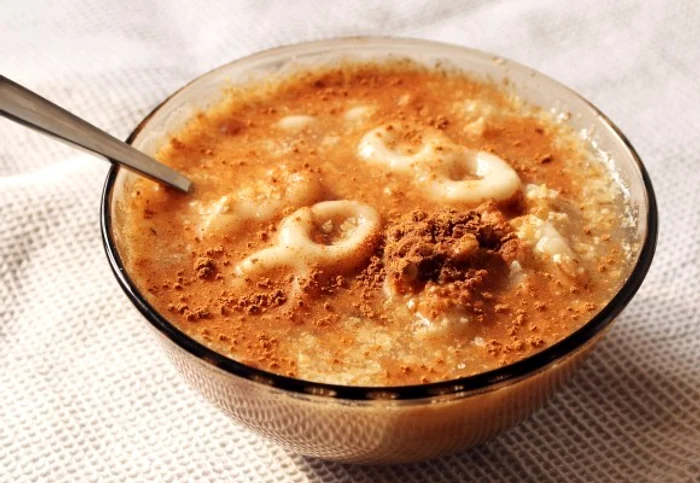
Mountain martyrs wikipedia
After it is done as we wanted, we spread it on the wooden table and with the help of two glasses, two rings are cut out. One big and one small. Then the dough is twisted in the shape of a figure eight. After finishing all the dough to be processed, we leave the “eights” to dry for 45 minutes. After that they are only good for cooking. It is boiled either in water and then the syrup is added, or directly in the syrup made from sugar, ground work pulp, cinnamon, lemon peel and vanilla sugar.
The recipe for fluffy Moldovan martyrs
The Moldavian martyrs have the same shape, but they are the bigger “brothers” of the mountain ones and are made of leavened dough. In addition, Moldovans rather call them “saints”. They are very tasty and often fall into the category of peasant “cakes”. To prepare Moldovan “saints” we need dough ingredients: 1 kilogram of flour, two teaspoons of yeast, 500 ml of water, one teaspoon of salt, four tablespoons of ground walnut kernels. For the syrup we need the following: six teaspoons of honey, vanilla sugar and a cup of water.
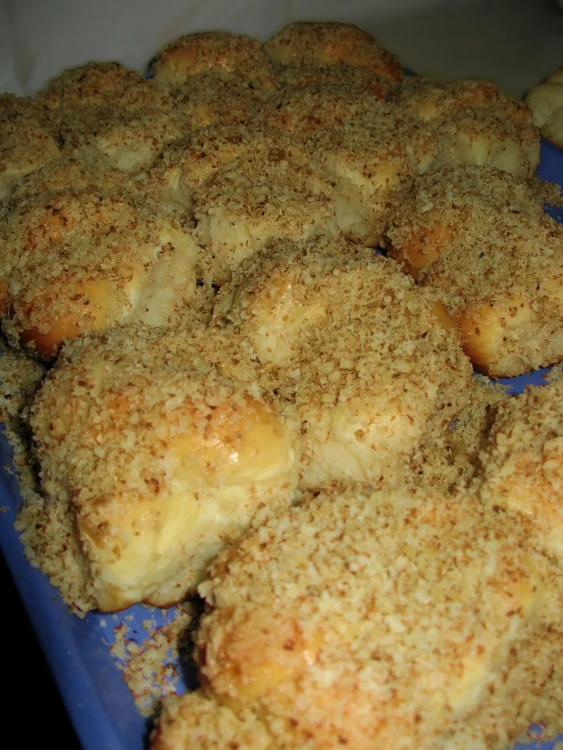
Moldovan saints PHOTO wikipedia
“Knead a leavened bread-like dough from flour, water, salt and yeast. Let it rise for 20 minutes and then twist “strings” of crust about 1 cm thick in the shape of eights. Bake in a pan with oil”specified Radu Anton Roman, in the already mentioned work. During this time, make the syrup: boil water with honey until it thickens, then add vanilla sugar. The syrup is poured over the saints and then sprinkled with walnut kernels and left to soften. The cooking of martyrs or saints was accompanied by all kinds of rituals. For example, housewives would put a penny in these rolls to see whose luck would fall that year.
“The housewife who puts a celebratory penny in the buns on March 9, to see whose luck falls that year, does not always know that, for a moment, she is a good sister to her Neolithic great-grandmother, who worships Terra Mater, to the Spartan slave asking for help from Hera and Artemis of the Greek Pantheon, to the matron next to the altar of Roman Juno, to the Geto-Latin peasant invoking her feared Dochia from Romanian-pre-Christian mythology who, throughout thousands of years, experienced the same esoteric or sacramental ceremony at the coming of the New Agrarian Year, at the beginning of spring, through the same coil, with a lucky penny”added Anton Roman.
Other traditions of the “40 Worker Saints”
Apart from the service at the Church and the main symbolism of the preparation of the martyrs dedicated to the 40 saints, the day of March 9 is loaded with pagan rituals. “People participate in consolidating the Sun's victory: so that it does not slide back to the darkness and cold, to the winter solstice, it is helped by various magical practices – the lighting of the “Ritual Fires”, the “Batting of the Earth” with the mays or wooden sticks to remove the heat from the Earth's womb. The surrounding space is purified by cleaning the gardens, courtyards and outbuildings, lighting garbage, by driving away evil spirits with metallic noises, fumes and threatening words. Astronomical and meteorological observations are made, acts of divination, plowing begins symbolically by pulling the plow into the soil and drawing the first furrow”adds Ion Ghinoiu. It is an ancient ritual of coming out into the light (spring) after descending into the underworld (winter).
March 9 is a masculine day, of fecundity. The feminine signs lose their power, through the death of the Dochia, and give way to the “Grandfathers”, the masculine elements. That is precisely why the man plays a central role on March 9 and practices a ritual of “the 40 glasses”, and this is Christian and pagan at the same time. On the one hand, the 40 glasses signify the water in which the martyrs were immersed and the blood they shed for faith (because traditionally red wine was consumed). On the other hand, it is a ritual dedicated to Dyonissos, the ancient Thracian god of wine and debauchery, a deity also borrowed from the Greeks.
This ritual drunkenness at the beginning of the agrarian New Year is also dedicated to this deity. Perhaps the most important manifestation on the occasion of the “40 Saints” was the official pulling out of the plow in the furrow. The plow iron was repaired or replaced if it was too old. The most beautiful oxen were harnessed to the plow and in the morning the agricultural tool was brought out in front of the house, demonstratively. On this day, all the arrangements were made between the households for the new agricultural year.