“Either you fly or you eat.” The strategy by which Israeli pilots achieve a record rate of attacks on Iran

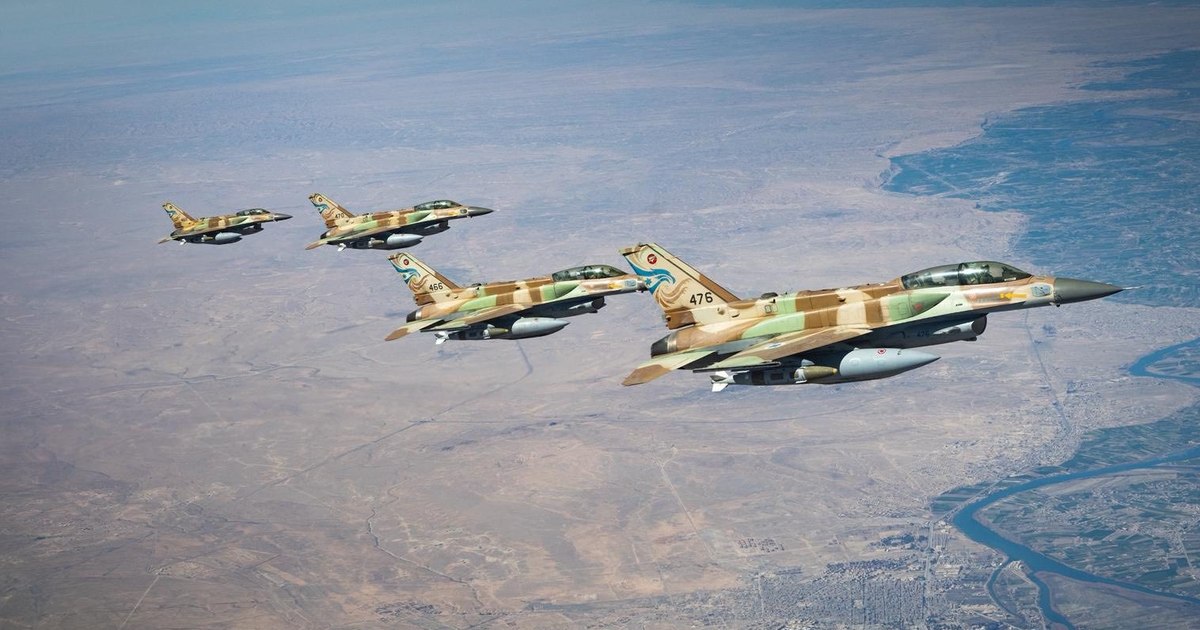
The Israeli Air Force (IDF) has adopted an unprecedented pace in operations against Iran, conducting up to three raids a day on Iranian military targets, according to an analysis published by The Jerusalem Post. The strategy has attracted the attention of military experts around the world due to its speed, precision and close cooperation with the United States.
Israeli pilots reach a record pace of attacks on Iran PHOTO: Israel Defense Forces
To sustain the missions at maximum intensity, Israeli pilots flew three times a day to Iran and back, using stimulant pills to maintain focus. This strategy allowed the rapid multiplication of strikes on the Iranian military infrastructure.
“We understood that we had to get as many bombs as possible to the target in the shortest possible time”an Israeli army official said, according to The Jerusalem Post. “Let's block them, destroy them and take them down as quickly as possible, without giving them time to raise their heads”.
A race against time and Iranian launchers
The operation turned into a race between Iran's ability to launch missiles and Israel's ability to destroy the launchers and associated military infrastructure. Iranian authorities were trying to quickly repair the attacked sites, using bulldozers and machinery, but the high frequency of raids limited their reaction time.
By Wednesday afternoon, the Israeli air force had launched 5,000 rounds of ammunition in just four days, compared with 3,700 rounds used in the previous operation, which lasted 12 days.
The first two days of the campaign were the most intense. Under medical supervision, the pilots used stimulants to sustain repeated long-distance flights, while the diet was adapted to maintain peak performance. The US military's long-duration flight experience was integrated into mission planning.
Pilots and crews pushed to the limit
In the early days, military personnel were pushed to their physical limits. The traditional motto of Israeli aviation in the war – “Either you fly, or you sleep, or you eat” was reduced to “Either you fly or you eatSleep almost disappeared from the schedule of many, but discipline and avoiding overconfidence remained a priority.
The quality of the information was essential. “It's incredible work, what the military intelligence service has done, pure magic. Everything starts from there“said a participant in the missions. Data on targets in Tehran, Beirut and other areas allowed extremely accurate strikes.
Ground crews played a crucial role in preparing, refueling and quickly rearming aircraft between missions, their pace being far more efficient than in other Western air forces. The participation of military women in the technical teams was also a decisive element.
More than 100 American refueling planes allowed Israeli pilots to operate almost anywhere in Middle Eastern airspace. American bombers and F-22s ensured air superiority, and the collaboration created an integrated system of air, naval and intelligence operations between the two countries. The American military thus had the opportunity to observe the precision and efficiency of Israeli aviation.