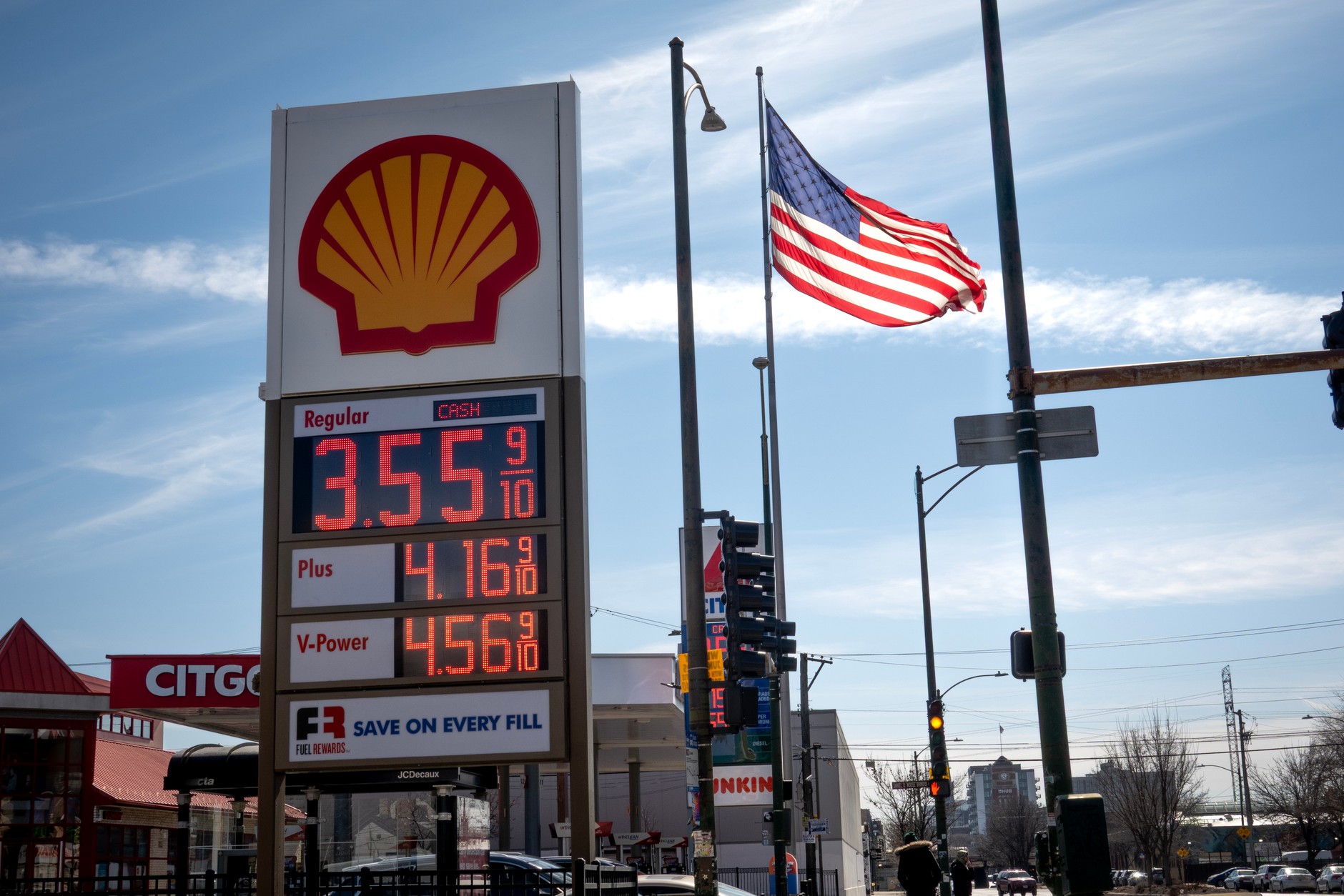
American crude oil – the price benchmark for the US market – exceeded $90 on Friday for the first time since 2023. per barrel (approx. PLN 360). Since the beginning of the war on Saturday, the price has increased by more than $20. per barrel (approx. PLN 80), which means the largest weekly jump in the history of the market. American drivers have already started to feel the increases – the price of gasoline at stations increased by 32 cents per gallon (approx. PLN 1.28 for 3.78 liters) during the week.
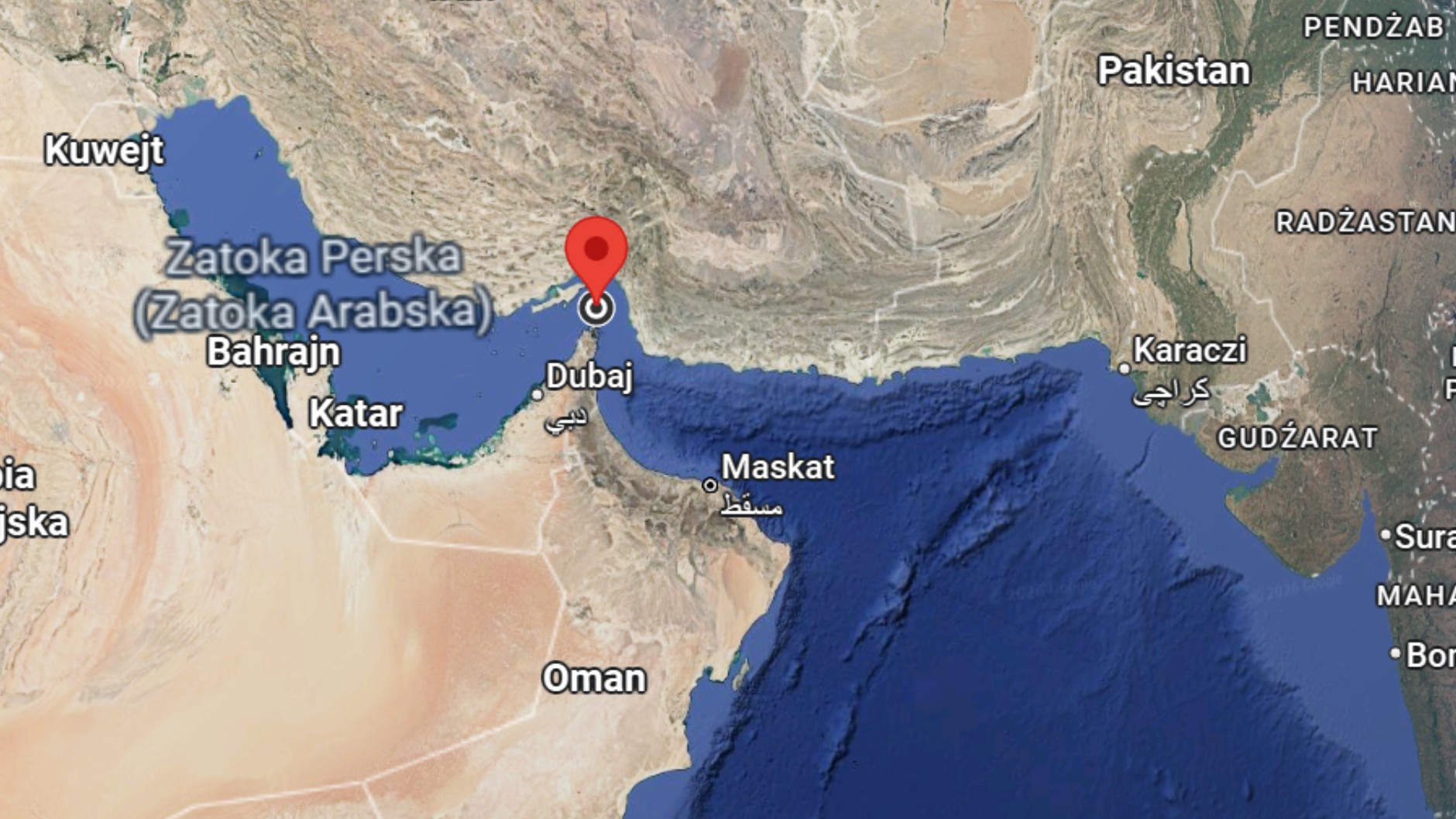
The constant increase in prices – which analysts attribute to the continuing disruptions in the Strait of Hormuz, through which approximately 20 percent of global oil supplies — comes at a time of growing political pressure on President Donald Trump. Eight months before the congressional elections, Americans are increasingly worried about the cost of living and the impact of the war on the economy.
“Oil will definitely reach the level of $200 per barrel (approx. PLN 800) and will probably go even higher if traffic in the Strait of Hormuz is not resumed,” wrote oil market analyst Rory Johnston, author of the newsletter, on the X platform Commodity Context.
“This is not clickbait. It's just brutal market physics and economic incentives“
This week, the White House announced several steps to calm oil markets. These included:
temporary easing of sanctions against India buying Russian oil,
offering naval escort for tankers,
introduction of political risk insurance for ships passing through the Strait of Hormuz.
Strait of HormuzGoogle Maps/X
However, none of these actions brought the expected results. Traders continue to push up prices in response to news of supply disruptions.
Iran managed to damage several tankers. Iraq and Kuwait have already cut production because their ships cannot safely transport oil to world markets. In turn, China warned that it may suspend fuel exports due to concerns about the availability of raw materials.
Claudio Galimberti, chief economist at the analytical company Rystad Energy, warned that the longer ships avoid the Strait of Hormuz, the greater the problem the Persian Gulf countries will have with storing oil.
If the strait remains closed for, say, three weeks, production in the Middle East will drop by up to 15 million barrels per day. In a matter of days, we go from a comfortable oversupply situation to a gigantic deficit – one the likes of which we have never seen before.
– Rystad said during the conference in Washington.
Galimberti also noted that even when shipping resumes, it could take a long time to return to normal production levels because restarting mining is a complicated and expensive process.
“If production stops for weeks or months, it could take just as long to get back to previous levels,” he explained.
The Trump administration is trying to calm down
Despite the tense situation, administration representatives argue that there is no reason for long-term panic. Energy Secretary Chris Wright said Friday morning that U.S. gasoline prices should fall again soon.
In the worst case, we are talking about weeks, not months
– he said in an interview with Fox News.
Gas price sign at a gas station in Chicago, Illinois, March 2, 2026.Scott Olson/Staff/Getty Images
Wright acknowledged that prices are “higher than we would like,” but said they remain well below records following Russia's invasion of Ukraine during Joe Biden's administration, when the global oil supply was much tighter.
White House spokeswoman Karoline Leavitt said record U.S. oil production, new supplies from Venezuela and actions to reopen the Strait of Hormuz would help keep prices under control.
President Trump's entire energy team – from the White House to the Energy Dominance Council – has a plan to keep oil prices stable during operations in Iran
she said.
Analysts warn: the situation is much more serious
However, market experts paint a much more pessimistic picture.
Six days after the conflict began, most oil and gas tankers still avoid passing through the Strait of Hormuz. This means cutting off a key transport route between oil producers in the Persian Gulf countries and their customers in Asia and other regions of the world.
Andon Pavlov from the Kpler analytical company believes that even current price increases may not reflect the true scale of the problemif the strait remains closed for longer.
The market believes that a scenario in which the strait remains closed would be so disastrous that sooner or later someone will do something to prevent it. Will it happen? This seems less and less likely with each passing day
he said during Thursday's webinar.
“Gasoline prices are rising like rockets”
Even if the administration manages to lower oil prices, that doesn't automatically mean gasoline prices will fall, emphasizes Catherine Wolfram, a former Treasury Department official responsible for energy and climate economics.
Economists call this phenomenon “rockets and feathers“.
Gasoline prices skyrocket when oil prices go up, but when oil gets cheaper they fall slowly like feathers
– explains Wolfram, today a professor of energy economics at the MIT Sloan School of Management.
Additionally, the holiday driving season in the US is approaching, when fuel prices usually increase anyway. As a result, they may remain high even when oil starts to become cheaper.
An attempt to restore tanker traffic
The American government financial institution Development Finance Corporation (DFC) announced on Friday the details of an insurance program that is intended to encourage shipowners to use the strait again. The program is intended to cover losses of up to USD 20 billion. (approx. PLN 80 billion).
We are confident that our reinsurance plan will enable the transportation of oil, gasoline, LNG, jet fuel and fertilizers through the Strait of Hormuz to the rest of the world again.
said DFC director Ben Black.
But according to oil market analyst Ben Cahill of the Arab Gulf States Institute, insurance alone does not solve the basic problem: the fear of attacks.
The actions taken may reduce some of the risk and reduce the cost of transportation insurance, but the underlying problem still remains
– he said.
In order for ships to start regularly sailing through the strait again, he added, a “major change in the course of the conflict itself” is needed.
The article continues below the video
The main problem is security
Energy Secretary Chris Wright admitted in an interview with ABC News that shipping companies are still reluctant to send tankers through the strait, even despite American insurance guarantees.
The biggest concern right now is simply physical security. Today, no reasonable person wants to send a huge tanker through the Strait of Hormuz, but this will change in the near future
– he said.
Wright said the U.S. Navy would begin escorting the tankers “as soon as possible.” But first, as he stressed, Iran's ability to carry out attacks must be limited.
— First, we must significantly reduce their ability to destabilize the situation. And as soon as it is safe to do so, we will begin escorting ships through the strait and restore the flow of energy to world markets, he concluded.
I’m Ashley Davis as an editor, I’m committed to upholding the highest standards of integrity and accuracy in every piece we publish. My work is driven by curiosity, a passion for truth, and a belief that journalism plays a crucial role in shaping public discourse. I strive to tell stories that not only inform but also inspire action and conversation.