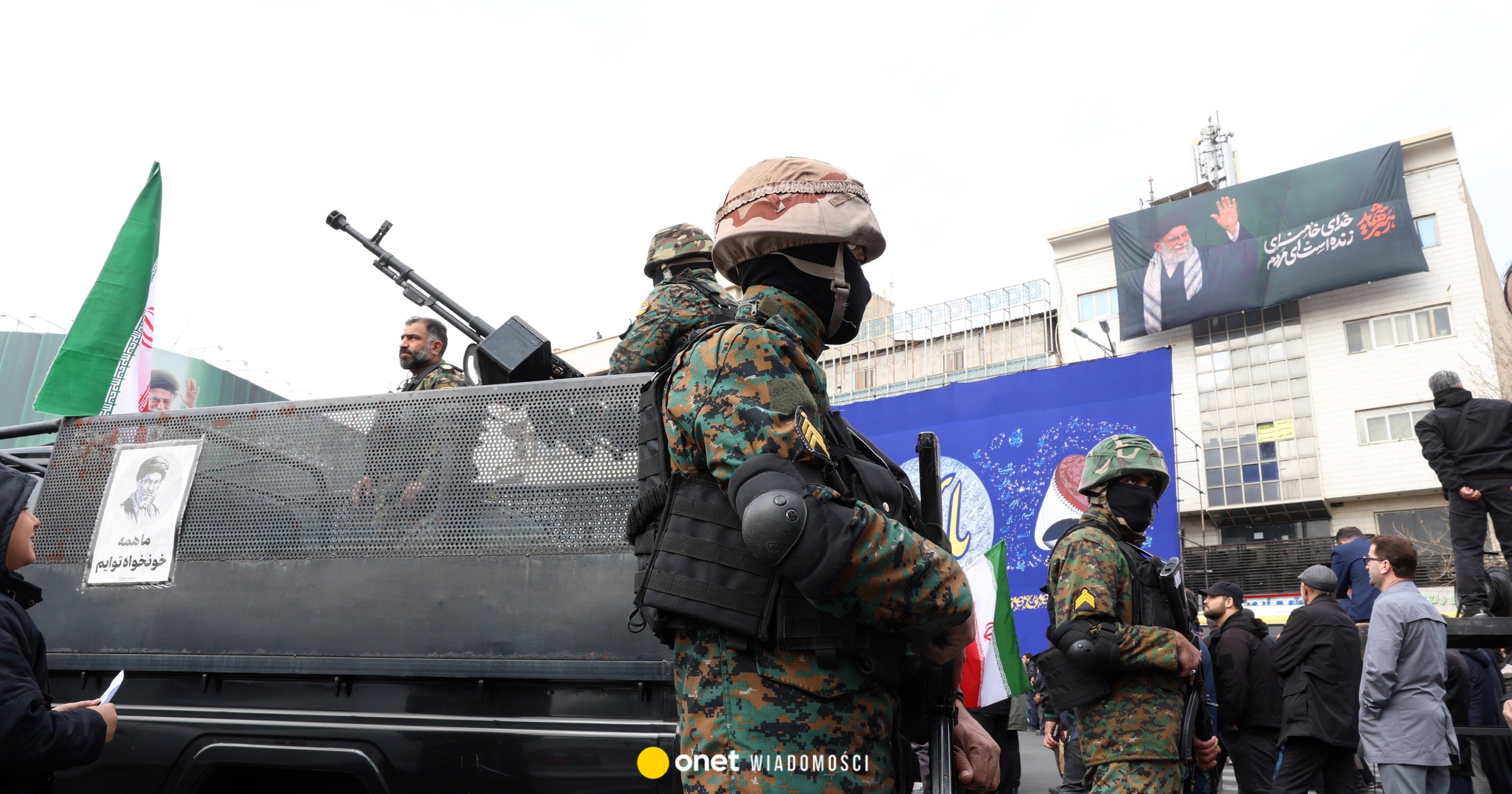
European governments are beefing up their security measures after the Iranian regime warned it could target European cities if continental states join Donald Trump-led military operations in the Middle East.
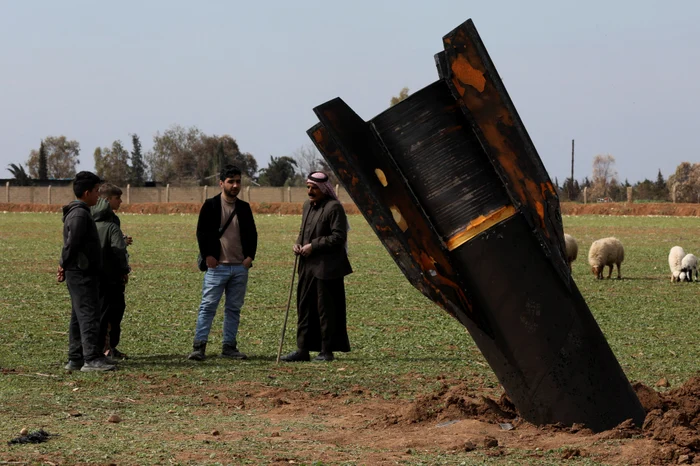
Iranian missile intercepted in Turkey
Tehran said any involvement of European countries would be considered an “act of war”. Iranian Foreign Ministry spokesman Esmail Baghaei told state media that support for Iran's adversaries would amount to direct aggression.
Meanwhile, Iranian drones have already targeted Cyprus. One hit RAF Akrotiri, belonging to the Royal Air Force, and others were intercepted. In response, Britain, France, and Greece sent planes, ships, and helicopters to bolster the island's defenses.
NATO Secretary General Mark Rutte has warned that the Iranian threat goes beyond the borders of the Middle East. He argued that Iran's development of ballistic and nuclear capabilities poses a risk not only to the region but also to Europe.
Medium and long range missiles
According to experts, Iran has ballistic missiles with an average range of about 2,000 kilometers, capable of reaching parts of southeastern Europe, depending on where they are launched. The Sejjil and Khorramshahr systems are considered among the most advanced in its arsenal.
The base in Deveselu, in southern Romania, where an American anti-missile defense system is located, increased its security level this week, according to Romanian authorities.
There are also reports that Iran is developing an intercontinental ballistic missile with a range of up to 10,000 kilometers, which could bring European — and even American — territories within range. However, analysts point out that it is unclear whether, under current conditions, Tehran could produce and deploy such a system on an operational scale.
“Shahed” drones and the risk of indirect attacks
Iran has invested significantly in the development of drones, and the “Shahed” series of machines have previously been used in other conflicts. These one-way attack drones can have a range of up to 2,500 kilometers.
To hit targets inside Europe, it would have to cross the airspace of other states, but Cyprus is already within their range. Analysts believe that the drone that hit the RAF base in Cyprus could have been launched from Lebanon by Iran-backed Hezbollah.
Experts warn that beyond conventional military means, Iran could resort to less sophisticated methods, including using commercial drones to disrupt air traffic or target military targets. Such actions could be carried out through clandestine networks or criminal groups, according to Western assessments.
Targeted attacks and clandestine operations
European intelligence services have documented several plots attributed to Iran over the past decade, including assassination attempts and attacks against regime opponents.
In 2018, an Iranian diplomat was arrested and later convicted for his involvement in a plot to target an Iranian opposition rally in Europe. Other incidents have been reported in countries such as Belgium, France, Germany, the Netherlands, Sweden and the United Kingdom.
In 2022, Albania severed diplomatic relations with Iran after allegations of cyber attacks on its infrastructure.
Growing cyber risk
In addition to physical threats, European officials also point to the risk of cyber attacks. Iran is considered one of the main state actors in the field of cyber warfare, along with Russia, China and North Korea.
The Vice-President of the European Commission, Henna Virkkunen, said that member states must carefully monitor cyber security and the protection of critical infrastructure.
Although, according to some European officials, Iranian cyber activity has temporarily decreased since the beginning of the American bombings, experts warn that the situation could change quickly, especially if European states express their support for Washington or Israel more clearly.
Iran's cyber capabilities remain significant, analysts say, and any escalation could turn Europe into a secondary theater of confrontation between Tehran and its adversaries.