Bogdan Pîrlog withdraws his candidacy for the headship of DIICOT. He names an opponent whom he describes as an “outstanding professional”


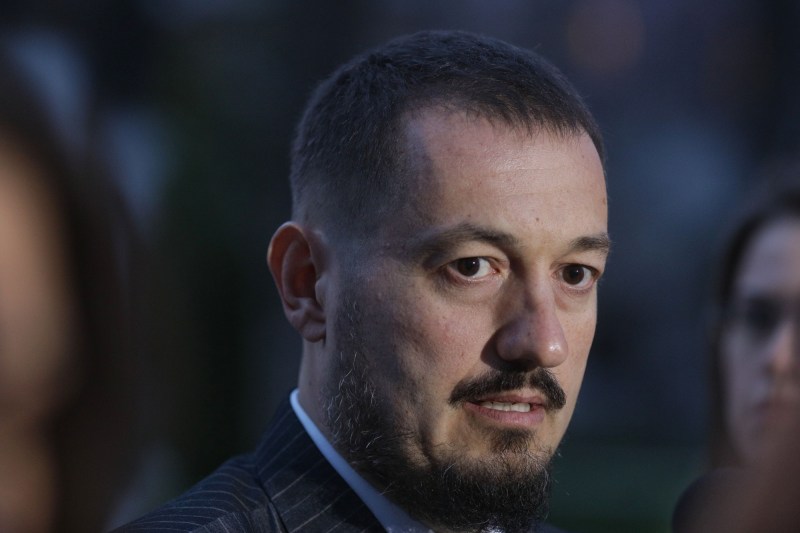
Military prosecutor Bogdan Pârlog. Inquam Photos / Octav Ganea
Bogdan Pîrlog states, however, that he maintains his candidacy for the position of Prosecutor-General of Romania, for which he gave an interview on Monday in front of the commission from the Ministry of Justice.
The withdrawal of the candidacy for the DIICOT chief prosecutor position was done on Wednesday, on Facebook, at the time when the interviews with the candidates were taking place. He justifies the decision by the fact that there are “remarkable professionals” among the counter-candidates and names here Ioana Albani, the current chief service prosecutor within DIICOT.
“At the time of my application for the position of chief prosecutor of DIICOT, I did not yet have all the data regarding the identity of the persons who will assume responsibility for such a candidacy”, explains Bogdan Pîrlog.
“Noting that, among the candidates, there are outstanding professionals, such as Mrs. Ioana Albani, who, moreover, had a convincing performance at the interview, I consider that my participation in this procedure is not absolutely necessary, as there are options that meet the needs of a high-quality management, able to meet the challenges of this position,” he explains.
Who is Ioana Albani?
Throughout her career, Ioana Albani has held several management positions in the central structure of DIICOT, and since 2016 she is deputy chief prosecutor of DIICOT.
A graduate of the Faculty of Law of the Titu Maiorescu University, Albani started as a prosecutor in 1997 at the Prosecutor's Office attached to the Court of District 1. Later, she was promoted to the Prosecutor's Office attached to the Bucharest Court, respectively the General Prosecutor's Office. Starting from 2001, he worked in the organized crime fighting structures of the General Prosecutor's Office, respectively DIICOT.
Pîrlog's message to the Minister of Justice
After the withdrawal, Pîrlog urges the Minister of Justice, who has the prerogative to select the chief prosecutors, to focus on these candidates and not on “directions drawn as a result of foreign negotiations”.
“In conclusion, there are options, it all depends to what extent, the minister of justice will give priority to the criteria of professional competence and the public interest, or will respond to directions drawn following negotiations that are foreign to the values publicly claimed”, he concludes.
Radu Marinescu is the one who selects the proposals for the head of the big prosecutor's offices. The nominations must be validated by the president Nicușor Dan before the appointment.
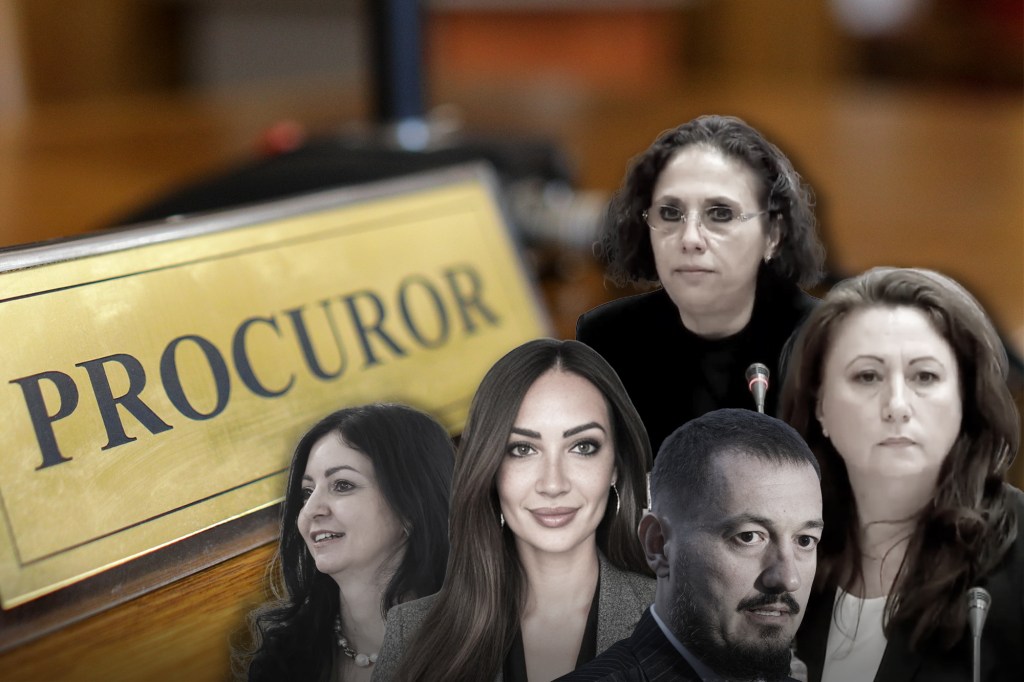 Who are the prosecutors who want to lead anti-corruption and anti-mafia in Romania
Candidate for the position of general prosecutor
Pîrlog, who is currently a military prosecutor within the Military Prosecutor's Office attached to the Bucharest Military Court, initially signed up for two positions: head of the General Prosecutor's Office and that of DIICOT.
“After a thorough analysis, I decided not to continue participating in the selection procedure for the appointment to the position of chief prosecutor of DIICOT and to focus on that of general prosecutor of the Prosecutor's Office attached to the High Court of Cassation and Justice”, he announced on Wednesday.
Here, Pîrlog has the prosecutor Cristina Chiriac, the current head of DNA Iași, as her opponent.
Who is running for the headship of DIICOT
After Pîrlog's retirement, the following remain in the race for the headship of DIICOT: Ioana-Bogdana Albani, chief service prosecutor within DIICOT – central structure, Alina Albu, the current chief prosecutor of DIICOT, Antonia Diaconu, chief service prosecutor at DIICOT Pitesti and Codrin-Horațiu Miron, chief service prosecutor at DIICOT Timișoara. It is the prosecutor's office with the largest number of candidates.
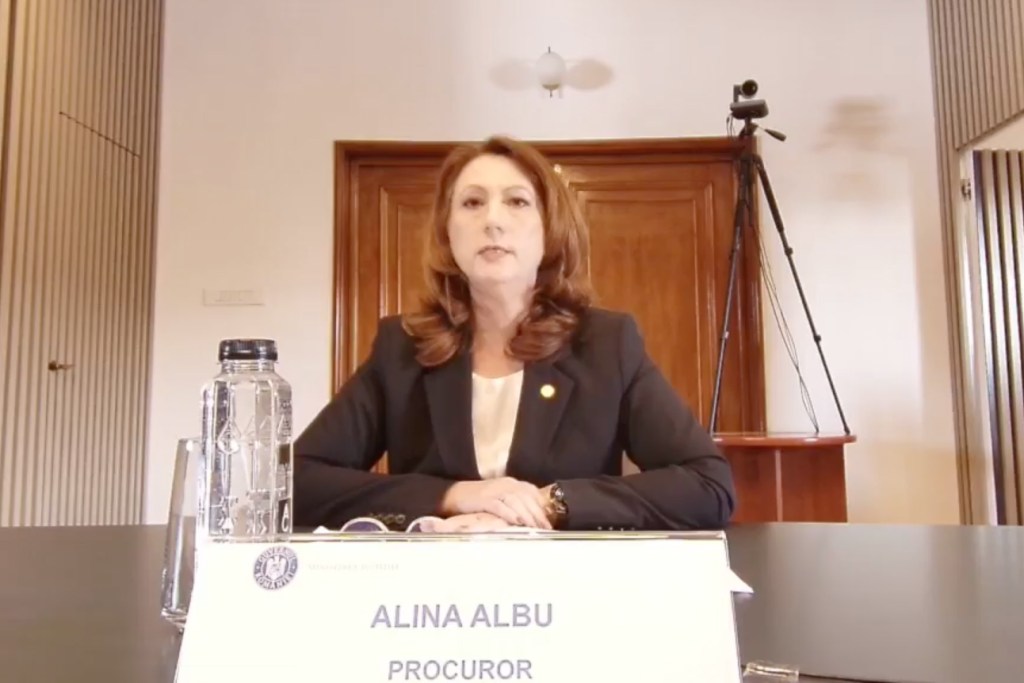 VIDEO “This is where I went wrong”. What is the vulnerability indicated by the head of DIICOT, Alina Albu, candidate for a new term at the head of the institution