
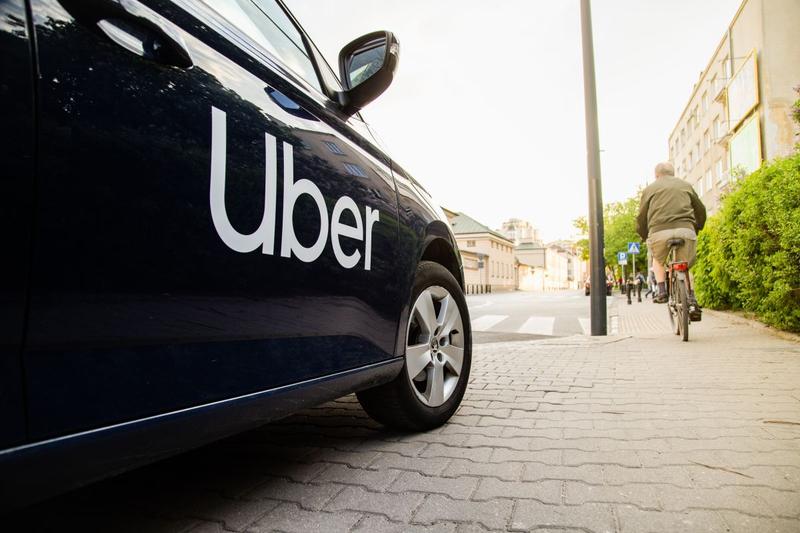
Uber car, Photo: Shutterstock
Uber has a clear message for autonomous vehicle manufacturers: We want to be number one as a fleet operator, and we can handle it all like a Swiss army knife, TechCrunch reports.
The ride-hailing and food delivery company has launched a new division, called Uber Autonomous Solutions, designed to take over all the tasks associated with operating a business with robot taxis, self-driving trucks or sidewalk delivery robots, including software and support services.
The initiative, announced Monday, formalizes what Uber has already been doing, not exactly quietly, for several years.
Uber has partnered with more than 20 autonomous vehicle technology companies, covering every possible use, from robot taxis and road freight to sidewalk delivery robots and drones. Uber has financially backed many of these companies — Lucid and Nuro, Waabi and the Chinese company WeRide — and launched Uber AV Labs, a specialized engineering team that will collect data for robotaxi partners.
Uber has concluded partnerships and made investments, and now it wants to become indispensable in the field, TechCrunch points out.
Uber is making bold promises about robotaxis and other forms of self-driving vehicles
“AV technology teams should be able to focus on what they do best: developing software that can safely power an autonomous world,” said Sarfraz Maredia, Uber's global director of autonomous mobility and delivery, who will lead the initiative. The idea, he claims, is to add “operational depth wherever it's needed,” including in demand generation, passenger experience, customer support or managing daily fleet operations.
The ultimate objective is to help these companies reduce their costs per kilometer and accelerate market entry.
“What will determine the success or failure of autonomy in the world is whether it can be commercialized, and Uber will be the element that makes autonomy commercially viable,” said Andrew MacDonald, Uber's president and chief operating officer.
For Uber, that means managing infrastructure like system training data and mapping, financing fleets, and managing how robotaxis and other autonomous vehicles navigate complex events and locations. The company said it uses a fleet of specially equipped Lucid vehicles to collect data that can be shared with partners so they can train their artificial intelligence systems.
The new division also plans to address user experience, including customer support. Notably, Uber wants to take over the management of the fleets, which would include remote assistance – a topic that has recently attracted the attention of US regulators due to concerns that Waymo uses foreign workers.
Fleet management would also cover the insurance and employment of people who might be needed to support these autonomous vehicles when operating in the field.


