Stronger muscles, longer life. Why do those who have physical strength live longer and what exercises should we do to be longer

New studies show that people with strong muscles, developed naturally through exercise, live longer. Specialists have also identified the types of physical activity that prolong our lives.
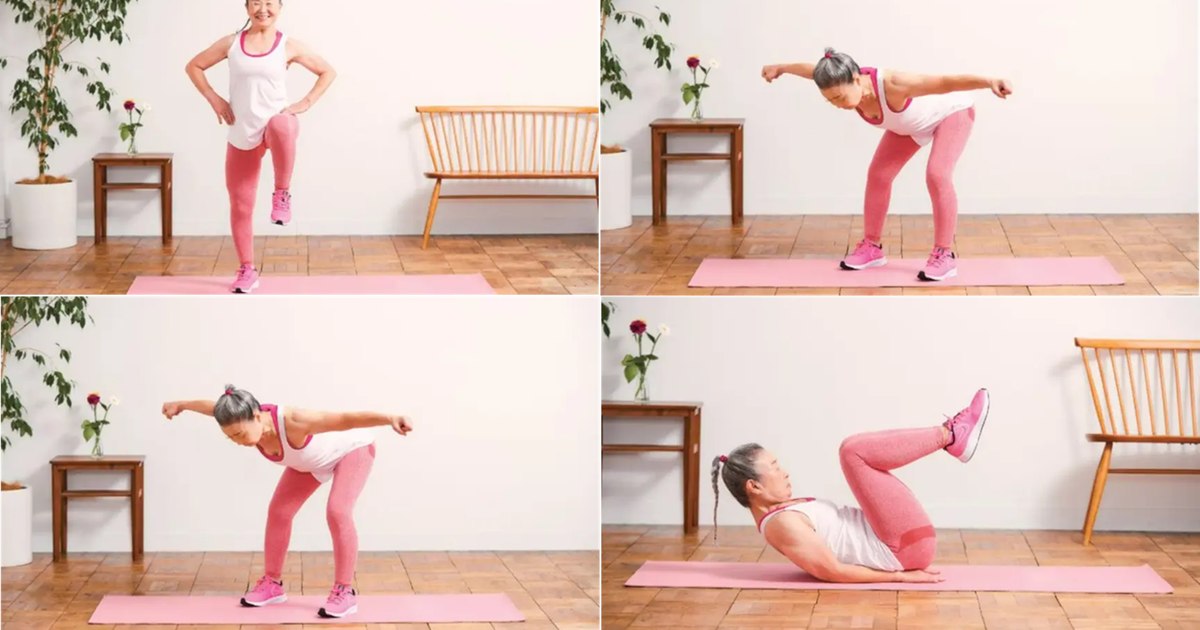
Japanese Takimika method for active aging PHOTO Shutterstock
Muscle is an essential tissue of the human body, the active body tissue responsible for movement, stability and heat generation. Through contraction and relaxation, muscles allow locomotion, maintain posture, support joints, facilitate the functions of internal organs (digestion, circulation) and produce facial expressions, being essential for the functioning of the entire body. Especially in the case of men, a harmonious musculature is a criterion of beauty and attractiveness. New studies show that musculature is more than body aesthetics and has a greater importance than previously thought. A large American study published on Jama Network shows that people with strong muscles and physical strength live longer, especially if they maintain their shape well into the third age. The benefits are especially noticeable in older women. Basically, longevity increases by 33% in the case of women with well-maintained muscle mass and increased physical strength.
Stronger muscles, longer life
Physical activity can significantly help prevent or reduce disease, extend healthy life spans, and improve body functions. Exercise influences the factors that determine biological aging and can slow aging rates, underscoring its fundamental role in geriatrics. As people age, they begin to lose muscle mass and strength, a condition known as sarcopenia. However, the decline in strength with age can be substantially slowed by exercise. Maintaining strength through exercise can be essential for optimal aging. The mentioned American study was conducted on women between the ages of 63 and 99. The analysis included 5,472 women enrolled in the Objective Physical Activity and Cardiovascular Health (OPACH) study, an ancillary study of the Women's Health Initiative.
Participants had a mean age of 78.7 years, and the cohort was 33.8% Black, 16.7% Hispanic, and 49.5% White. Between 2012 and 2014, the women included in the study completed a physical performance test at home and wore an accelerometer for 7 consecutive days to objectively measure movement and rest. Afterwards, the women were physically monitored for eight years. The researchers assessed muscle strength using sit-up tests and grip strength tests. The women performed five consecutive sit-ups (simply as if climbing a higher step) without using their hands and using the backrest or other objects. Grip strength was measured with a manual dynamometer. Individuals were divided into 4 groups based on strength levels. The study's findings were startling.
The researchers found that strength meant lower mortality. After taking into account several factors, such as age, race, ethnicity, education, body weight, vices, blood pressure, comorbidities and other health factors, it was concluded that women who had the highest grip strength (ie strength in the upper body, arms, trunk) had a 33% lower risk of death than those in the group with the lowest grip strength. On the other hand, those with the fastest time to stand up from a chair had a 37% lower risk of death. In short, muscle strength, whether predominantly lower or upper body, brings increased longevity.
“Muscles are the greatest gift we can give ourselves”
Why are muscles and physical strength so important in the longevity equation? The same American specialists explain. “Strength training is a great way to improve heart health, preserve bone density and muscle mass, all of which are crucial for healthy aging, especially for postmenopausal women.”says Kristen Lettenberger, physiotherapist, doctor of medicine, intensive care specialist, medical advisor at Uresta, for Medical News Today.
“Muscle mass and strength as we age are important for a few reasons. First, muscle is more metabolically active, helps us manage our insulin levels, and improves some of the biggest risk factors for cardiovascular disease and type 2 diabetes.”Lettenberger explained to the same publication.
Researchers suggest that stronger muscles could be a sign of better overall health. In other words, muscle strength is more of a marker of health. Muscle strength can affect the body in different ways, including how it controls metabolism and the immune system, but also inflammatory processes.
Previous research suggests that changes during the aging process may exacerbate muscle loss through the onset of chronic inflammation, as long-term inflammation is known to cause muscle wasting and increase the risk of death. “Physical strength improves our balance and mobility, reducing the risk of injury and helping us maintain our independence. Also, high muscle mass may also be correlated with reduced inflammation, which may contribute to lower mortality. Muscle is the greatest gift we can give ourselves.”added the specialist. The Physical Activity Guidelines for Americans recommend at least 150 minutes of moderate-intensity aerobic activity and muscle-strengthening activities at least 2 days per week for older adults.
Varied physical exercises, the secret of logenvityâ
In another scientific project published in BMJ Medicine, other researchers analyzed the data of two studies: “Nurses' Health Study” and “Health Professionals Follow-up Study”. Both included more than 173,000 participants. During these two studies, the subjects' physical activity was assessed over a period of more than 30 years.
Study participants were asked about their involvement in certain sports activities, including cardio (jogging, cycling, rowing, tennis, swimming), light-intensity exercise such as yoga, stretching and toning, weight training, and outdoor activities (gardening, digging, chopping wood). The results indicated that any physical activity improves health if performed consistently. “Unlike genetic makeup, which you can't change, people can choose to exercise more to prevent disease and live longer. Accumulating research has shown that most chronic diseases can be largely prevented by adopting a healthy diet and lifestyle. As public health researchers, our mission is to continue to find ways to prevent disease and improve the quality of life, which allows people to live longer.”Yang Hu, PhD, researcher in the Department of Nutrition at the TH Chan School of Public Health in Harvard, Massachusetts, and corresponding author of this study, told Medical News Today. But still there is a way in which we can optimize the effects of physical exercises to benefit from a life as long as possible and at the same time of the highest quality.
The recipe is simple. We should have at least 150 minutes of moderate physical activity or 75 minutes of vigorous physical activity per week. In addition, we need to combine the different types of exercise to get the maximum benefits, that is, we need to combine cardio with strength exercises, plus outdoor activities. “It is a fairly new finding that engaging in multiple types of activity at a given total activity level can provide additional health and longevity benefits. This means that, although maintaining a high level of total physical activity is still most important, combining different types of activity that have complementary health benefits may be more useful in preventing premature death.”adds Hu, for the same publication. It found that subjects with the widest range of physical activities had a 19% lower risk of death.