Mission Artemis II. Is NASA taking too much of a risk? A well-known physicist explains what the heat shield is and how it works, which must withstand 2,700 degrees


NASA will send four astronauts around the moon on the Artemis II mission. The crucial test will be re-entry into the atmosphere, when the heat shield of the Orion capsule will have to withstand temperatures of more than 2,700 degrees Celsius. There have been voices claiming that NASA is risking the lives of those in the Orion capsule because of this shield. “Everything comes down to how well NASA can estimate an acceptable risk, based on the data it has,” physicist Claudiu Tănăselia explained to the HotNews public.
The astronauts were supposed to return after a 54-year absence near the moon, but a hydrogen leak on February 3 on the SLS rocket forced the agency to delay the launch of the Artemis II crew until March. NASA announced that it had recently replaced some of the components. The next major test was on February 19, when the SLS rocket, on the launch pad, was fueled.
After the tests were successfully completed, NASA announced on Friday that the new possible date for the launch will be March 6. If another delay is still needed, then there are still some dates available in April for a possible launch.
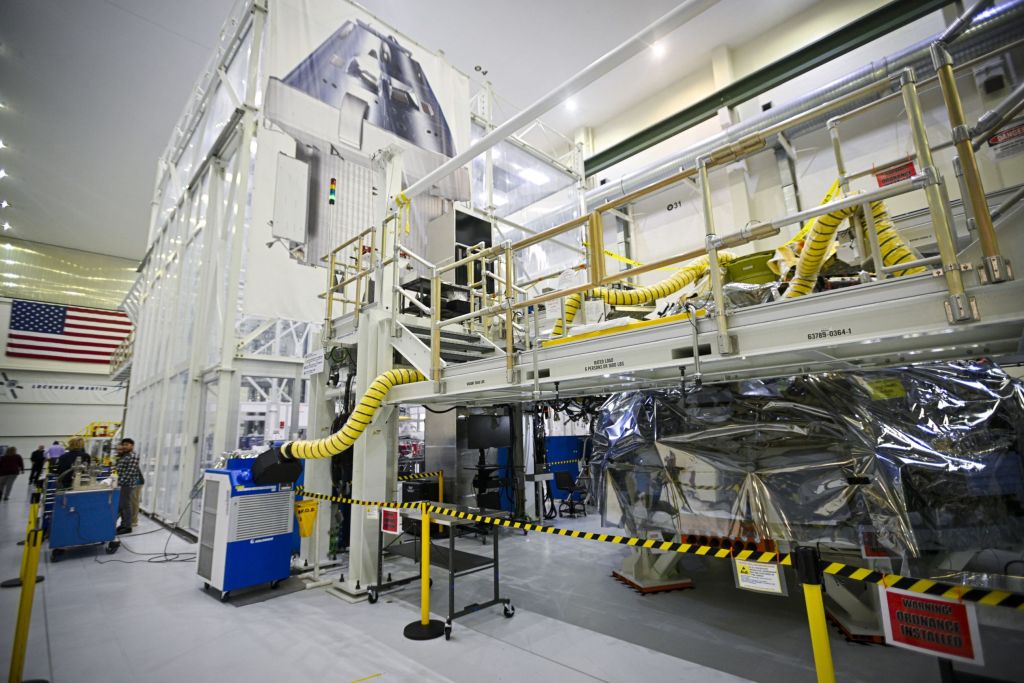
The Artemis II mission is scheduled to last 10 days and will carry a crew of four astronauts around the Moon, but without landing. The four will do a “flyby” of the Moon, basically a detour, and the crew will be the furthest from Earth of any space mission, as they will be more than 6,000 km from the far side of the Moon.
However, the mission cannot be a success if serious problems occur with the heat shield.
How the heat shield works, about which there are alarm signals
Several experts have warned that NASA is putting the lives of the crew aboard the Orion capsule at risk because of the heat shield. “NASA is on the verge of sending people to the moon in a capsule that not everyone thinks is safe for flight,” CNN wrote.
The heat shield (in English “heat shield”) is designed to protect the crew and the capsule at times when temperatures reach the highest values, over 2,700 degrees Celsius. When returning through the atmosphere, due to the high speed with which the capsule interacts with the atmosphere, a large amount of energy is released, especially in the form of heat, physicist Claudiu Tănăselia explained to the HotNews audience.
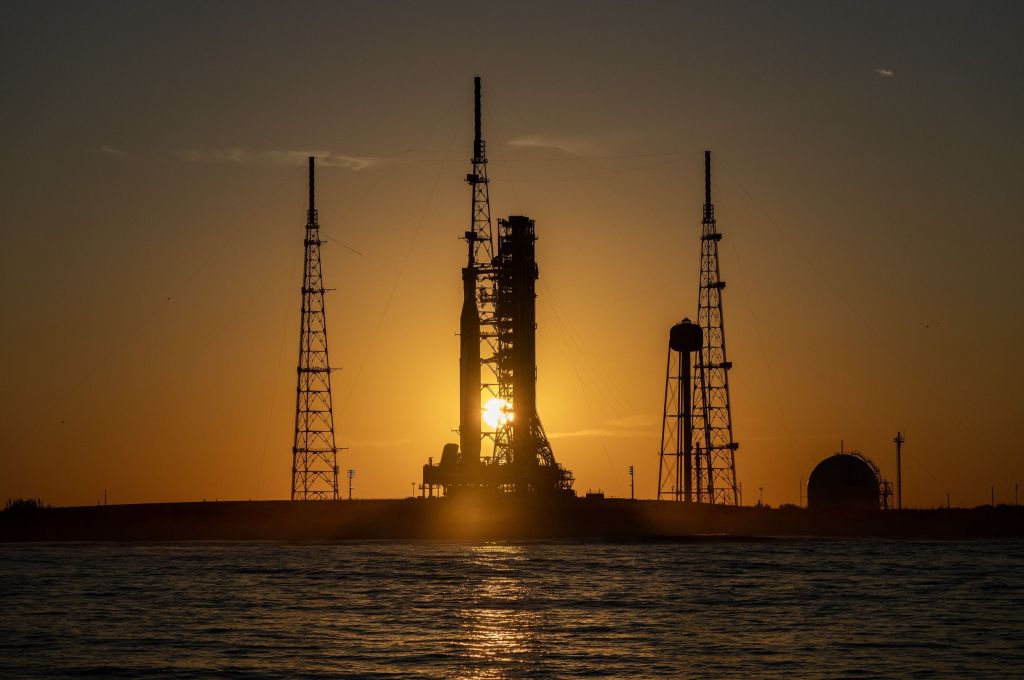
But how does this shield work? The basic element is a shell that must be consumed at a certain rate as the capsule re-enters the atmosphere when the heat is extreme.
“In order not to harm the crew and the structure of the capsule, this heat must be dissipated as efficiently as possible, and one of the ways to do this is to use an ablative shell, which takes some of this heat at the cost of a controlled erosion of that shell. The shield burns, it is consumed, protecting the rest of the capsule that the crew is in.”
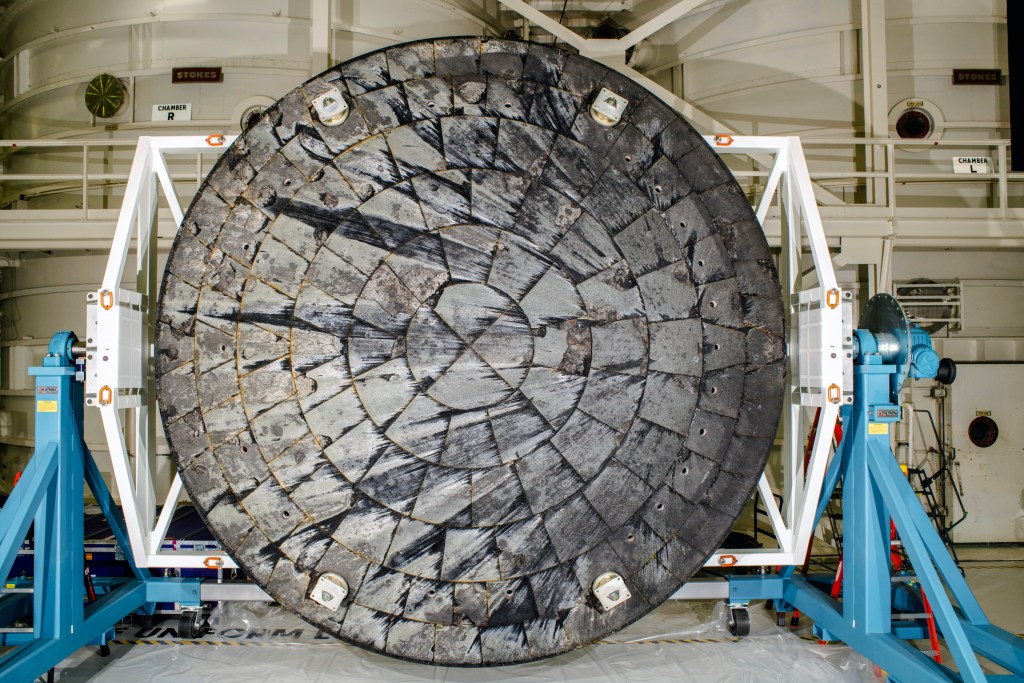
The technology used to make the heat shields hasn't changed much since the Apollo missions of the past five decades, and NASA is using the same chemical compound used for the heat shield of the Apollo capsules for Orion.
The Orion capsule, now in its third version, will come no closer than 6,400 km from the Moon's surface.
The shield performed below expectations on the Artemis I mission
Where did the concerns about the reliability of the heat shield on the Orion capsule come from?
NASA noticed, at the end of the Artemis I mission, that this ablative shield behaved differently than the agency had estimated, explains physicist Claudiu Tănăselia. Basically, it was consumed irregularly, more than the initial models estimated, and for NASA it represented a problem, because no one understood why this happened.
The term “ablative” which often appears in official communications refers to the physical phenomenon called “ablation”, whereby a body traveling through the atmosphere at high speed loses substance, becoming incandescent by friction with the air.

“If there had been a crew in the capsule of the Artemis I mission, it would not have suffered because of the heat shield degraded beyond expectations, because usually these systems have fairly wide tolerances. But when it comes to flights with a human crew, NASA wants to understand as well as possible any aspect that can put the crew at risk. Hence the whole discussion about the safety of the Orion capsule,” says the expert.
The Artemis II mission is scheduled to last 10 days and will carry a crew around the Moon, but without landing. The four will do a “flyby” of the Moon, basically a detour, and the crew will be the furthest from Earth of any space mission, as they will be more than 6,000 km from the far side of the Moon. However, the mission cannot be a success if serious problems occur with the heat shield.
“Spaceflight will always be dangerous, NASA knows it, astronauts know it”
NASA has chosen not to change the way the heat shield is constructed for Artemis II compared to the 2022 mission, but the reentry profile through Earth's atmosphere has been modified compared to Artemis I to subject the capsule to lower thermal stress, thus managing the ablative envelope. Another, newer compound will probably be used for Artemis III, because until this mission NASA has time to do the necessary tests, explained Claudiu Tănăselia.
But why didn't NASA choose a radical solution, a massive change to the heat shield? It is probably a combination of two essential factors, time and money, the physicist believes:
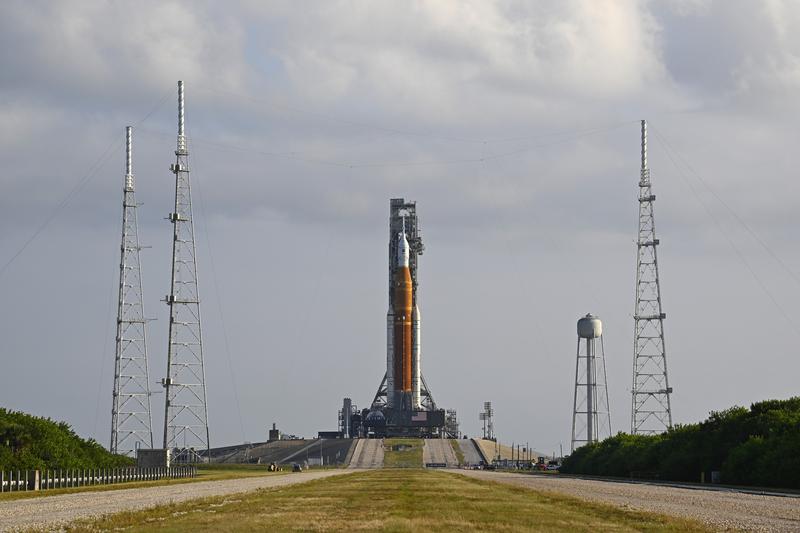
“Replacing the main ablative shield compound would have meant additional costly testing that would likely have further delayed the Artemis II mission. Furthermore, NASA had already installed the heat shield on the Artemis II capsule before the Artemis I heat shield status report was completed.”
Replacing the shield would have generated even more delays as it is a painstaking procedure.
“Ultimately, it's about how much risk is associated with this problem, and NASA estimates that in the modified flight profile scenario, from the data it has from the Artemis I mission, the crew should not be at any additional risk,” the expert added.
It should be noted, however, that there is no backup solution either, and reentry through the atmosphere is a critical portion of the flight, one where the crew or ground personnel cannot really control the situation in real time if it degenerates.
“Spaceflight will always be dangerous, NASA knows that, the astronauts know that, but it all comes down to how well NASA can estimate an acceptable risk, based on the data it has. In the case of Artemis II, NASA, along with the astronauts, do not consider the risk associated with the ablative shield to be a significant one,” says the physicist.