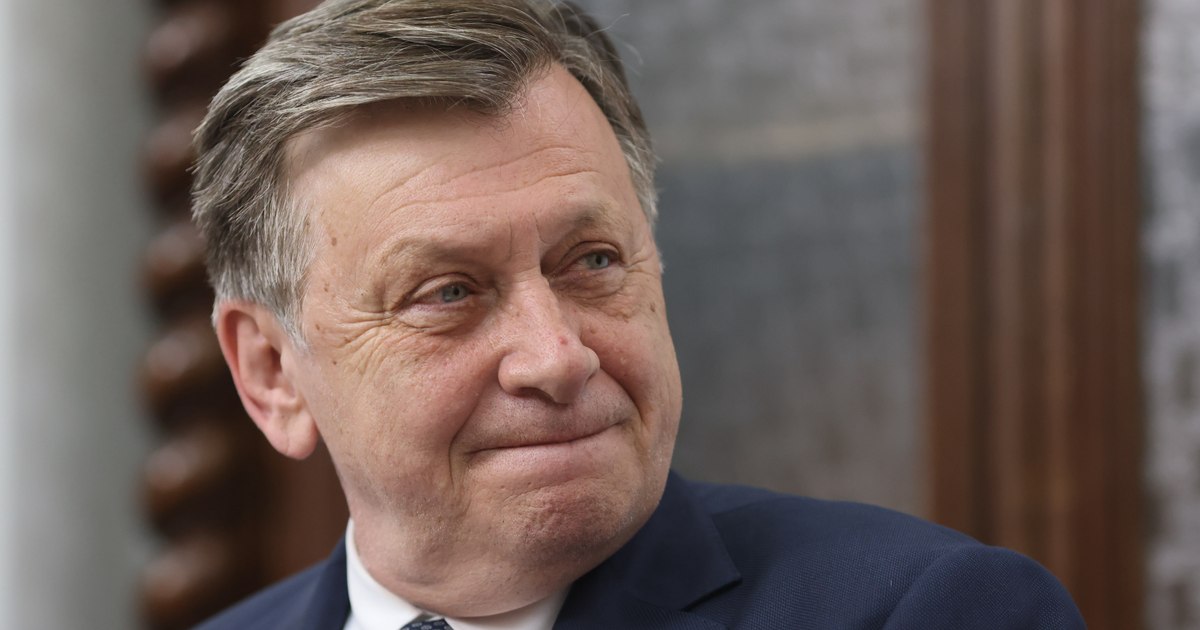
Epstein files like a political bomb. Rebellious Republican vs. Pam Bondi, Trump Loyalist

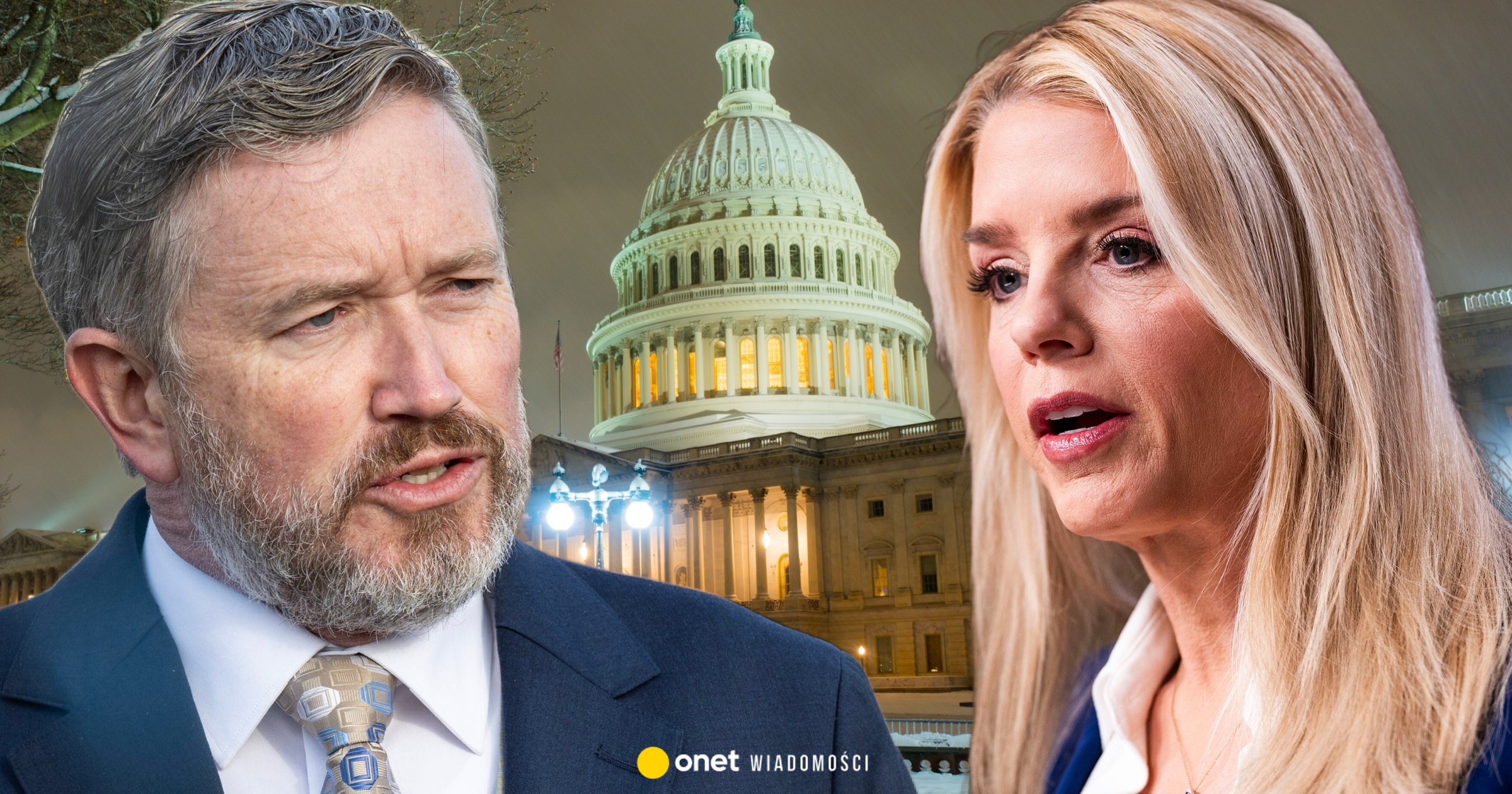
During the hearing, Bondi repeatedly refused to answer questions about the Justice Department's release of millions of documents related to convicted sex offender Jeffrey Epstein. Instead she resorted to personal attacks on parliamentarians who criticized her.
When asked about the reasons for classifying parts of the files made available to the public, which was inconsistent with the law passed by Congress last year, Bondi called Massie a “failure politician” with “Trump obsession syndrome”.
Wexner was one of six “wealthy, influential men”whose names were originally blacked out in the Epstein case files, Khanna and Massie revealed Tuesday after reviewing the uncensored documents at the Justice Department.
Wexner for years he maintains that he has severed contacts with the controversial financier several decades ago, when he realized that Epstein had illegally misappropriated his money.
“A federal prosecutor informed Mr. Wexner's attorney in 2019 that he was viewed as a source of information about Epstein and he is not suspicious in any way“ Wexner's attorney recently wrote in a statement. “Mr. Wexner has cooperated fully with any information regarding Epstein and has not been contacted further regarding this matter.”
“Then we could know the reasons why no charges were brought.”
On Saturday, Bondi sent the report required by law to Congress, complying with the provisions of the Act on the Openness of Epstein's Files. The bill requires the Department of Justice to provide parliamentarians with a summary of all classified fragments together with the legal basis and a list of government officials mentioned in the documents.
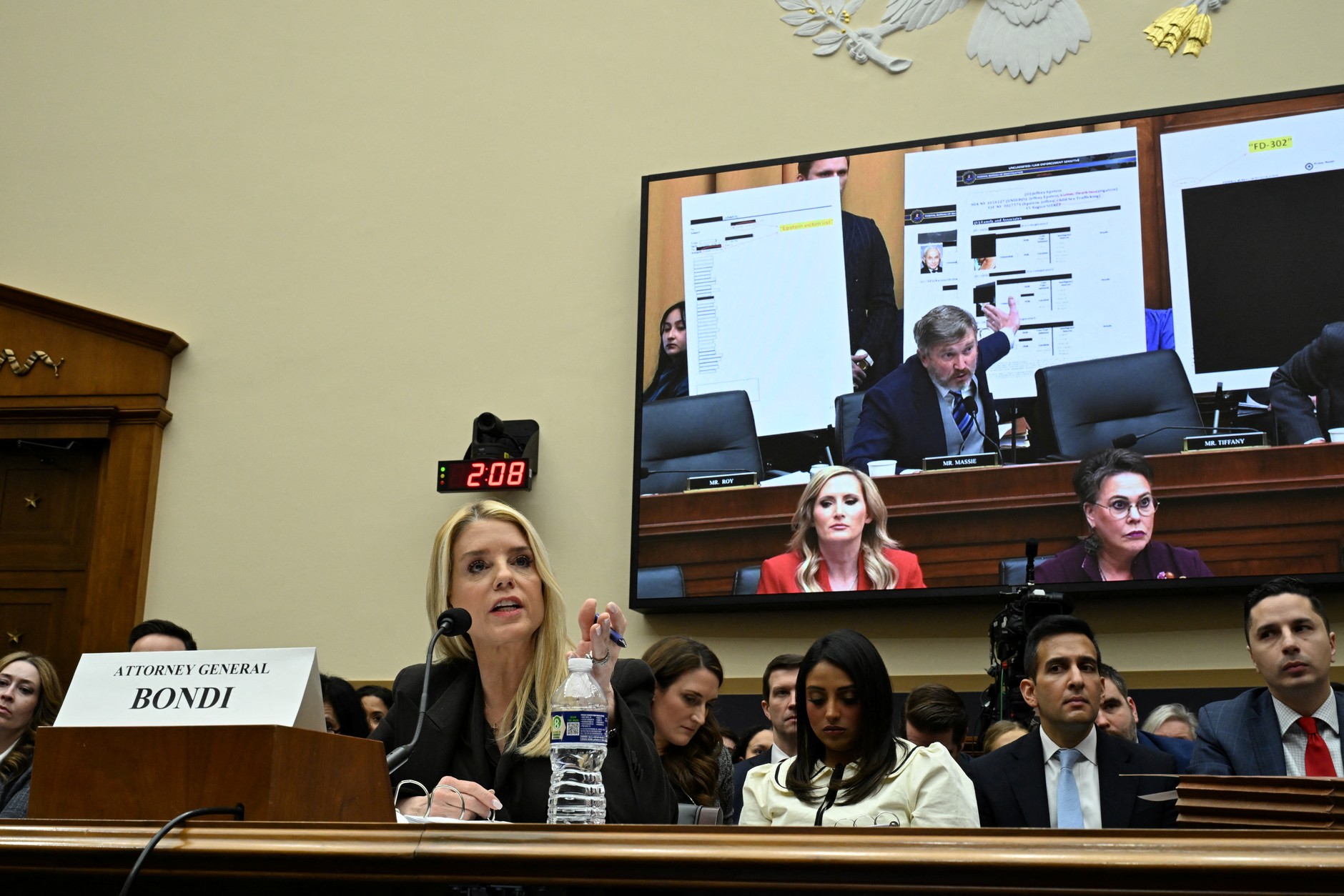
Pam Bondi, Attorney General of the United States. Congressman Thomas Massie appears on the screen. Washington, February 11, 2026Roberto Schmidt / AFP
In the letter, Bondi cited the so-called decision-making privilege – a common law principle that allows federal administration not disclose documents that concern internal decision-making mechanisms.
—The problem is that the bill I wrote with Ro Khanna mandates publication of internal memos, emails and memoranda regarding decisions to initiate or not to initiate investigations or criminal proceedings, Massie told the ABC. “It's important that we do so because then we might learn the reasons why Leslie Wexner wasn't charged. What was the reasoning here?
“I'm not going to stoop to her level.”
According to Massie, the publication of uncensored investigative and prosecutorial documents could also shed light on the agreement concluded in 2008, thanks to which Epstein avoided serious federal chargespleading guilty only to lesser state crimes in Florida.
The Kentucky Republican also criticized Bondi for doing so she refused to meet with several of Epstein's victimswho were present at the hearing. When Pramila Jayapal, a Democrat from Washington state, asked Bondi to turn around and apologize to victims for the Justice Department's actions, she replied: “I'm not going to stoop to her level for political theater.”
At one point, Jayapal also asked which victims were not given the opportunity to meet with Justice Department officials and tell their stories. Each of them raised their hand.
— That was cold of her. “I think she was scared,” Massie said. — These people would really like to meet. This isn't about Bill Clinton or Donald Trump. This act on the openness of Epstein's files was created so that the victims can finally receive justice.