Fruits that reduce inflammation and are rich in vitamins and antioxidants. Why it is recommended to consume them in winter

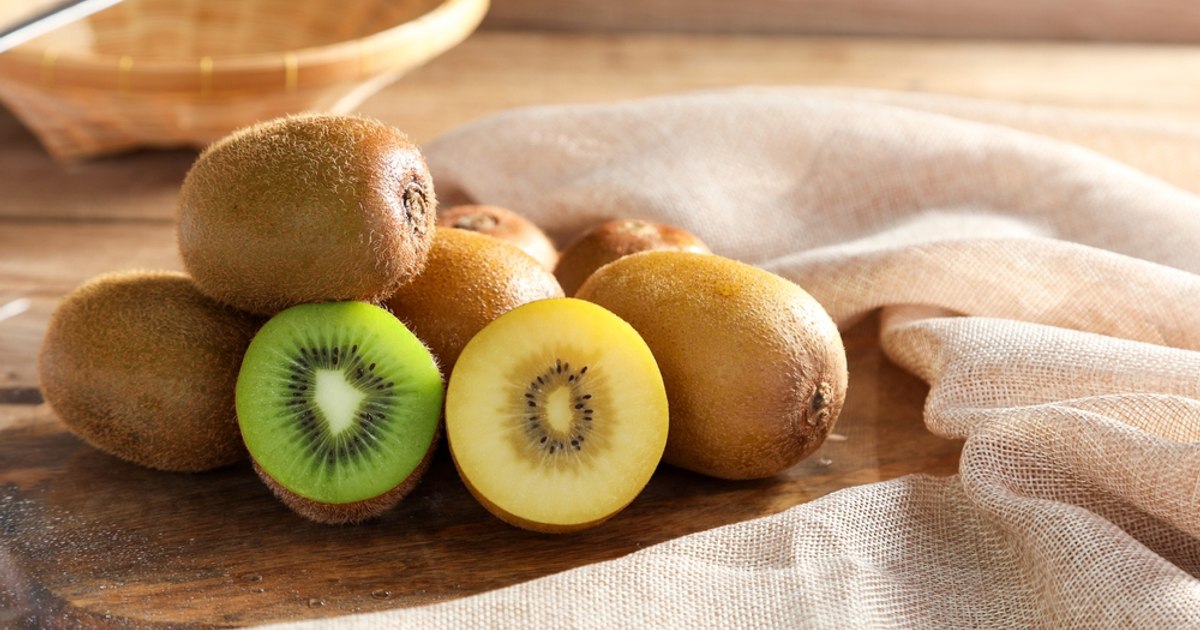
Nutritionists warn that low-grade inflammation increases in winter, but eating fruits rich in vitamin C, polyphenols and antioxidants can help reduce inflammation and strengthen the immune system.
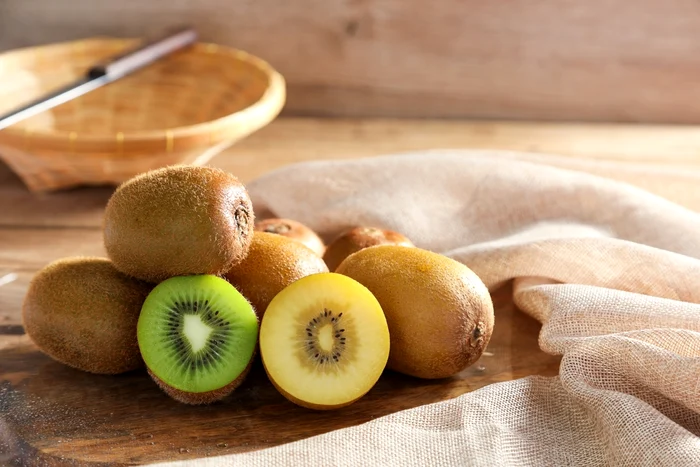
Kiwi is rich in vitamin C PHOTO: Shuterstock
Choosing colorful fruits can help reduce inflammation and provide essential nutrients such as vitamin C, polyphenols and antioxidants.
According to nutritionist Karolin Saweres, inflammation “often increases in the winter due to reduced exposure to sunlight, changes in activity levels, higher stress, and a tendency to eat more high-calorie, low-fiber foods.”
The specialist points out that although inflammation is a natural response of the immune system, chronic inflammation can reduce energy levels and weaken the body's ability to fight seasonal viruses, eathwell writes.
Kiwi, for example, provides vitamin E, which “helps slow the production of molecules that promote inflammation,” explains Elizabeth Harris, MD, nutritionist. It is also rich in vitamin C, essential for immune health.
Grapefruit contains vitamin C and flavonoids that “support anti-inflammatory pathways, insulin sensitivity and cardiovascular health,” says nutritionist Bess Berge.
Furthermore, studies show that it can influence the expression of genes involved in inflammation.
Kaki is rich in carotenoids and fiber, which support “beneficial bacteria in the gut and help reduce inflammatory signals,” says Talia Follador, dietician.
Oranges, loaded with vitamin C and citrus flavonoids, “helps regulate inflammatory pathways and reduce oxidative stress,” states Follador.
As for pomegranate, it contains powerful polyphenols, especially punicalagins and anthocyanins, which “helps reduce inflammation and supports heart health,” says Berger.
It is helpful in reducing menopausal symptoms and inflammation in women with polycystic ovary syndrome.
Nutritionists recommend including these fruits in salads, yogurts, or eating them as snacks to support gut microbiome diversity and keep inflammation under control.