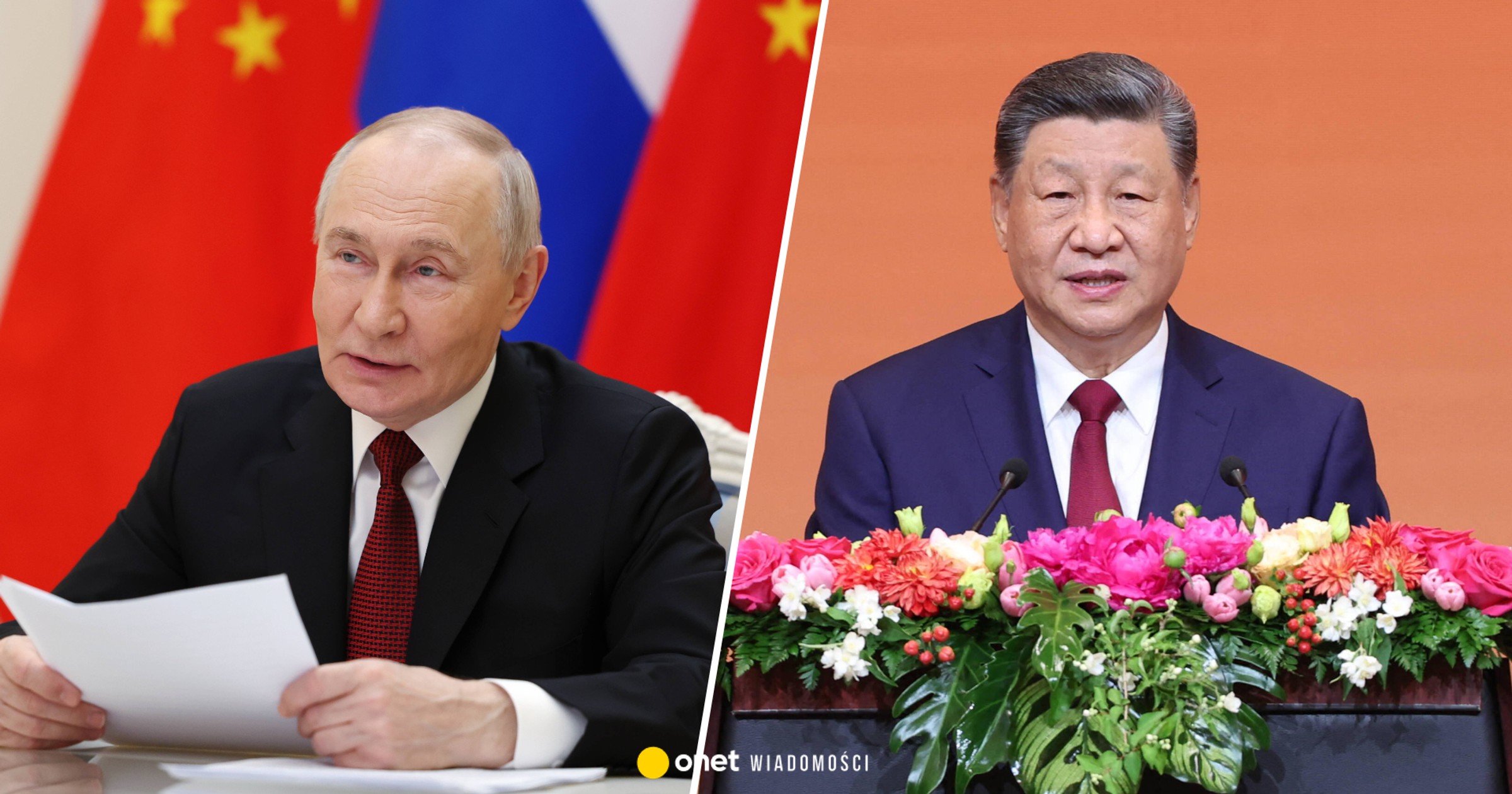
For years, Russian President Vladimir Putin has criticized the world the United States built after the Cold War. In his view, an international order led by a single power would hinder Russia and generate unnecessary conflicts, especially when that power is indifferent to the interests of others and duplicitous like America, according to an analysis by The Atlantic.
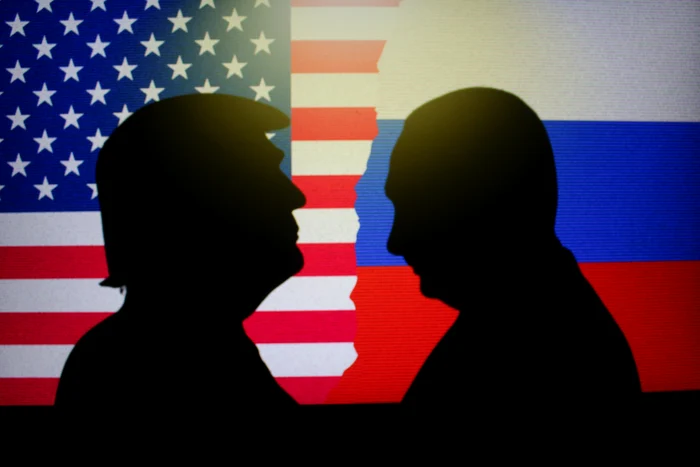
SHUTTERSTOCK PHOTO
Now Donald Trump is demolishing the very order that Putin detested for so long, and a new multipolar world is emerging in its place. Putin imagined that he could rise to the top of such a system, where economic power and military force carried more weight than diplomacy and alliances. But he was wrong: the norms and institutions of the postwar order actually masked Russia's vulnerabilities. Putin got the world he wanted — and now it threatens to crush him.
Moscow started from the assumption that its huge nuclear arsenal, unmatched natural resources and vast territory in the heart of Eurasia would keep Russia competitive with China and the United States. But these resources failed to slow the country's rapid decline. Russia's economy is at best a quarter the size of China's and America's, and the gap is widening. Meanwhile, it risks not mattering in the race for technological supremacy in artificial intelligence, biotechnology and quantum computing. Russia's economy and technological base is gradually losing ground even to India.
To show that his power is still secure, Putin promoted a broad strategic partnership with China, which Russia has sought to strengthen especially from 2022 onwards. But the relationship proved below expectations. Bilateral trade initially saw growth, but now appears to have stagnated. China has not invested much in Russia's economy, and not nearly as much as the West pulled out after Putin's full-scale invasion of Ukraine. With Russia having few other major trading partners, China has appeared emboldened to negotiate hard: negotiations on energy deals — including Power of Siberia 2, which would bring Russian natural gas to China — stalled after Moscow failed to convince Beijing to cover enough of the costs.
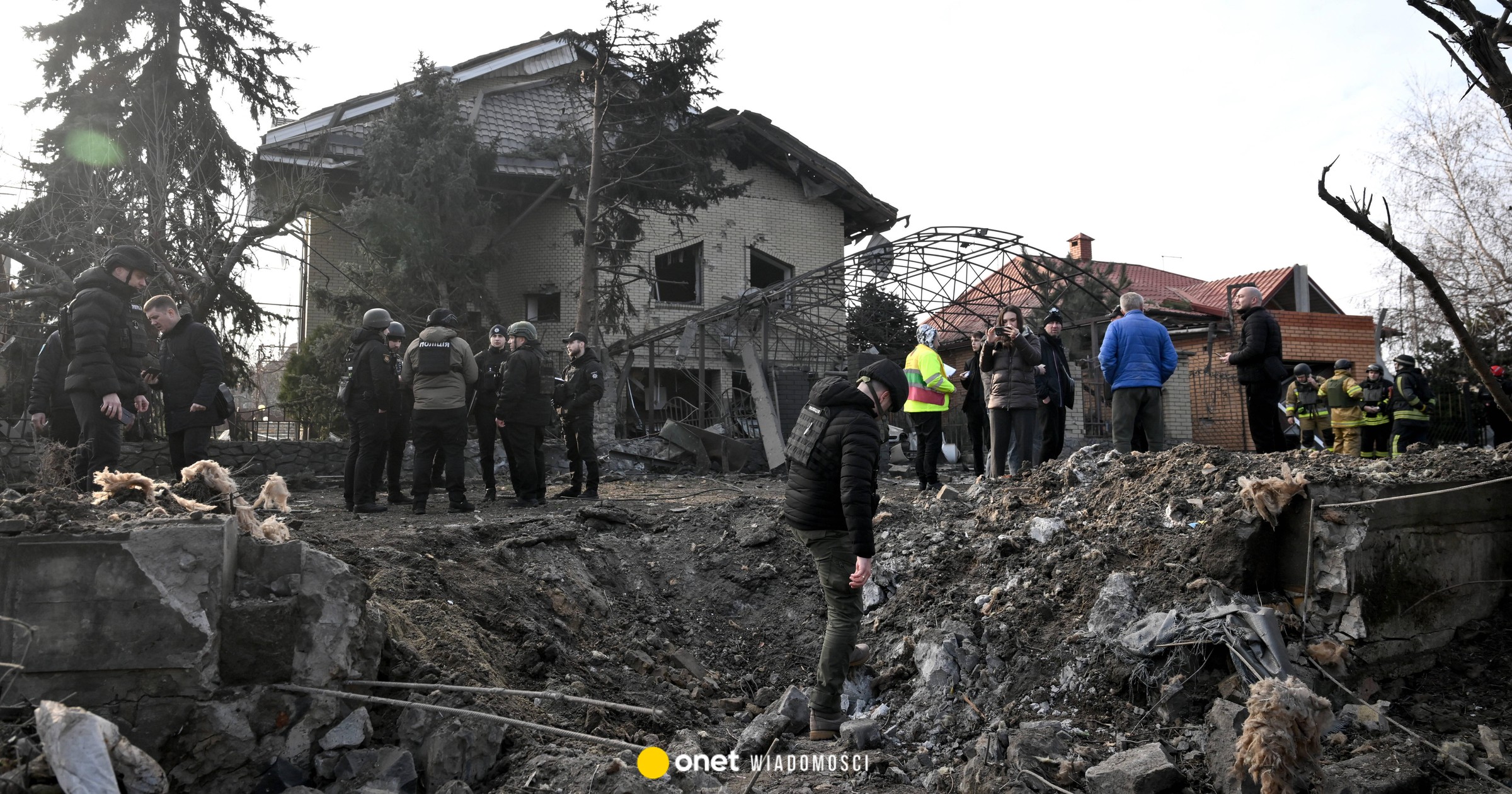
The war in Ukraine only increased Russia's disadvantages. By February 2022, some observers considered Russia to be one of the world's leading military powers—an assessment that Ukraine quickly overturned. The length of the conflict has now surpassed the Soviet Union's campaign against Nazi Germany and has claimed more than 1 million Russian casualties, exacerbating the country's chronic demographic crisis. Even if Putin succeeds in capturing additional territories, most of them will be bombed-out cities and wastelands. Their reconstruction would require billions of dollars that Russia does not have and is unlikely to receive from elsewhere.
An uncomfortable world for Russia
As Putin continues to pour resources into the war, he is rapidly losing international support and influence. Russia's longtime partners in Syria and Venezuela have been ousted from power. Meanwhile, the former Soviet states moved away from Moscow, turning to Western countries. Armenia and Azerbaijan have turned to Trump to resolve a simmering dispute over a shipping corridor. Kazakhstan and Uzbekistan strengthen ties with Washington. Moldova accelerated its political course towards Europe. Putin believed that the end of the US-led order would help him consolidate his power in the former Soviet space. But Russia was too weak and ineffective to take advantage.
Putin also assumed that a multipolar world would free him from American interference. And indeed, Trump has given some satisfaction to Moscow in some respects. However, his conciliatory gesture did not extend to Russia's energy sector, the bedrock of its economy: Last fall, Trump imposed sweeping sanctions against Rosneft and Lukoil, some of the country's biggest oil producers. The US has also cracked down on shadow oil tankers, threatening a main channel that Russia has used to circumvent sanctions on its oil sales. Trump's plans to revive Venezuela's oil sector could also affect Russia. Implementing those plans could be more complicated than Trump anticipates, but could push oil prices below the level the federal budget can support.
Russia's weaknesses are exposed
Moscow is in the grip of an American president who is bypassing the traditional channels of power and shattering the constraints that once governed them. For example, Trump could try to use the recently established Peace Council to bypass the UN Security Council — and Russia's veto — and impose his preferential policy in the Middle East, thereby eroding Moscow's influence in the region. Furthermore, due to Trump and Putin's decisions not to extend the New Start Treaty, the two powers no longer have a functioning arms control agreement. Absent these constraints, Trump may choose to accelerate his “Golden Dome” missile defense program, which is causing fear in Russia about its own nuclear deterrent capability.
Trump's disdain for alliances and international norms has also begun to reshape Europe in a way that may exacerbate Russia's weakness. As US security assurances weaken, European countries are consolidating their hard power. Germany has allocated 100 billion euros to modernize its military, and Poland is strengthening its armed forces by proposing to increase its army to 300,000 soldiers. Putin has long wanted to split the US and Europe. But it may very soon find that the continent — which collectively exceeds Russia in population and wealth — poses a significant challenge, even if it no longer belongs to a US-dominated alliance.
Shortly before becoming president in 2000, Putin issued a manifesto outlining how Russia could avoid falling to second or third place in the world power rankings. He insisted that America's global leadership was keeping Moscow in check. In reality, he underestimated himself: he didn't even realize how well he was doing at the time.