Dubai's property market shows first signs of weakness since the start of the Middle East war

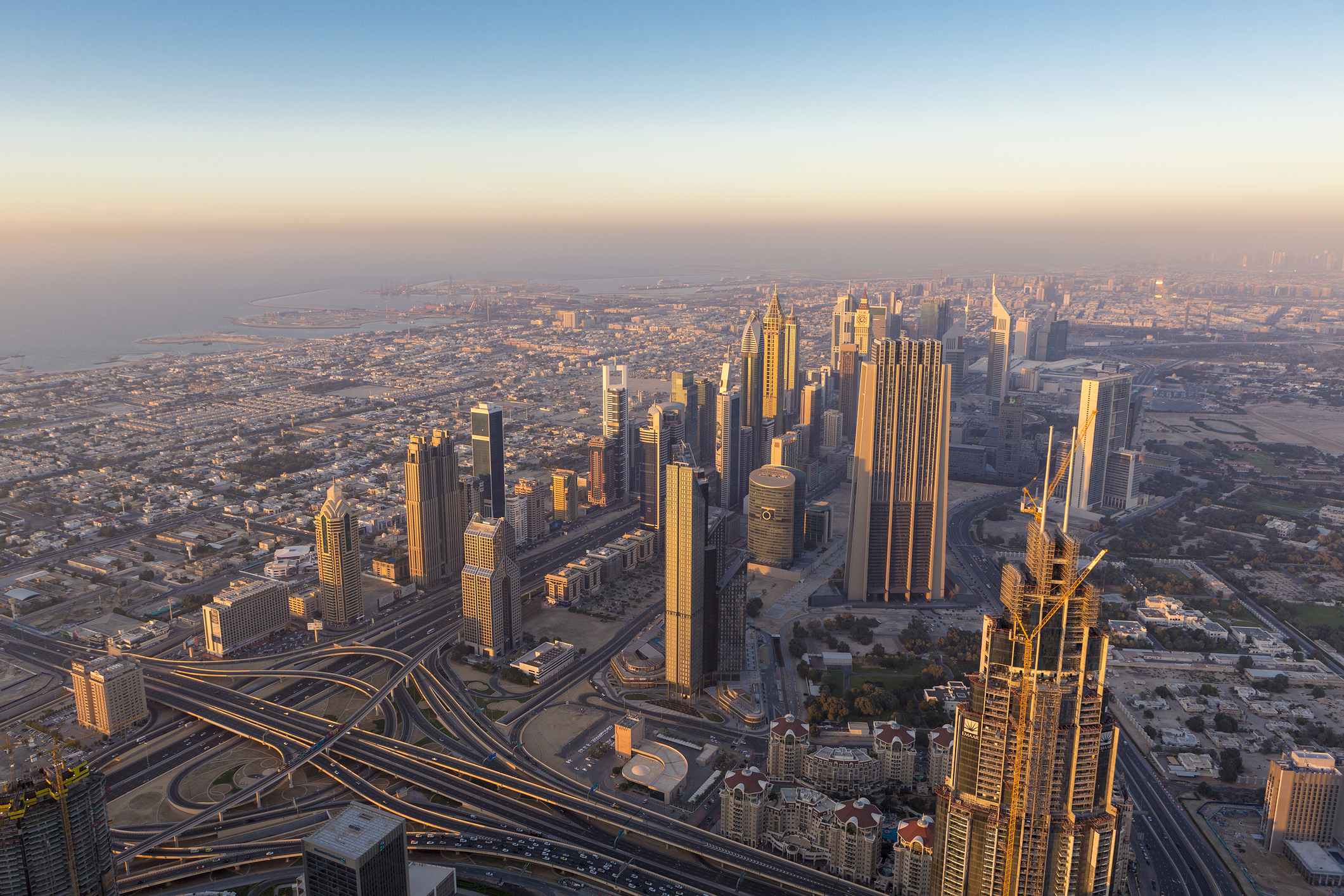
Dubai's real estate market is starting to show signs of weakness, almost three weeks after the first US-Israeli attacks on Iran, with data from analysts showing a decline in transactions and some real estate agents signaling price reductions, reports Reuters, according to Agerpres.
The war, and Tehran's attacks on Israel, US bases and Gulf states, including the United Arab Emirates (UAE), have dented Dubai's image as a haven for the world's wealthy.
The volume of real estate transactions in the UAE fell at an annual rate by 37% in the first 12 days of March, and by 49% at a monthly rate, analysts from Goldman Sachs estimate.
Some properties are already being offered at significant discounts, with price cuts of 12%-15%, according to real estate agents and social media messages reviewed by Reuters.
For example, one seller is looking for a “quick sale” of a property near the Burj Khalifa, the world's tallest building, according to a message read by an agent.
The seller wants $650,000, about 12 percent off the previous asking price of $735,000, “due to the current situation.”
The agent spoke on condition of anonymity. An apartment in the project stage in the famous Palm Jumeirah area of Dubai is also offered at a discount of 15% from the original price, at around two million dollars.
Transactions did not stop
The property boom in the United Arab Emirates has been reflected in increases in Dubai, but there are already fears that the market is heading for a slowdown after five years of rising prices. The conflict is the biggest test yet for the market, with demand fueled by an influx of wealthy migrants attracted by the UAE's tax breaks.
Shares in property developers have also fallen, with shares in Emaar Properties, the developer behind the Burj Khalifa, down more than 26% on the Dubai Stock Exchange since the war began.
According to Goldman Sachs, the total value of deals completed so far this month has halved compared to February – a sharper decline than during the 2024 Dubai floods or the previous Iran-Israel conflict in June 2025, although the average deal price fell by just 3% from last year.
Analysts at Citi say the war has introduced “considerable risk” to Dubai's future population growth expectations, with property investors and homebuyers deterred by geopolitical developments.
Analysts now expect Dubai's population to grow by just 1% this year, and by 2%-2.5% annually between 2027 and 2031, up from 4% in recent years.
They say that in the pessimistic scenario for Dubai, property prices would fall by an average of 7% annually over the period 2026-2028.
However, executives say there is no reason to panic and market activity has not stopped.
“I think everyone assesses risk and how risk is perceived differently. But the data tells us a clear story, right? Transactions haven't stopped,” said Imran Sheikh, founder and chairman of real estate investment firm BlackOak. He added: “We have a client in Africa who told us if we see opportunities in the next month, let's go ahead.”
“There are a lot of investors who call us asking if we have clients who will sell because they are tight, or if anyone wants to sell at a discount, and they say they are ready to buy,” Himanshu Khandelwal, managing director of Dubai-based investment firm Asas Capital, told Reuters, citing clients in the UAE and India.
Photo: Dreamstime.com