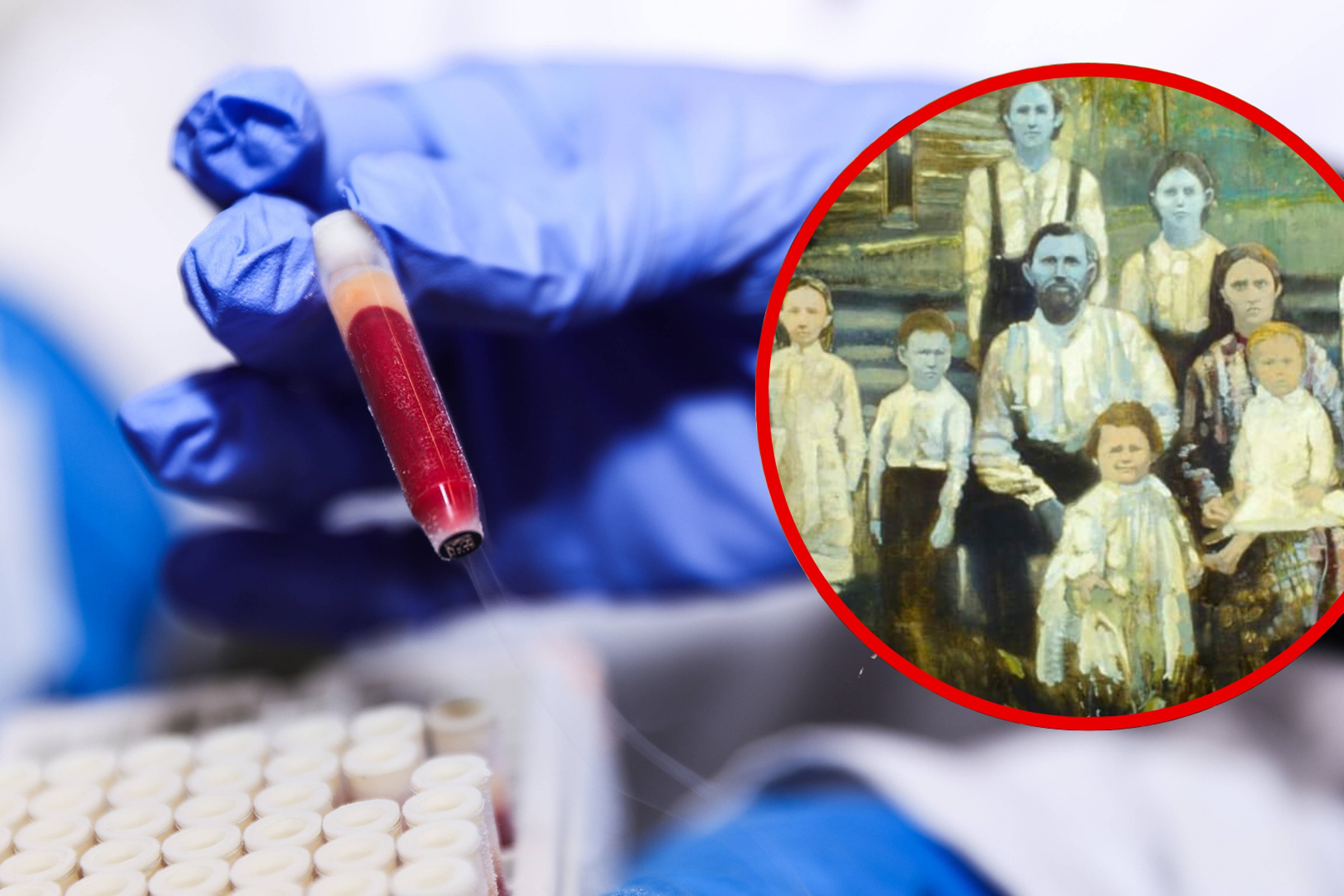
In 1820, a French orphan, Martin Fugate, arrived in a small, isolated town on Troublesome Creek, Kentucky. The man became an instant sensation. All because of its unusual appearance.
Kentucky Blueskins. Their mystery was solved years later
Mr. Martin's skin was a deep blue. Fugate suffered from a rare genetic disease called methemoglobinemia. The eyes of all the inhabitants were turned to the unusual newcomer. However, his unusual appearance did not cause him any problems in finding the love of his life.
What was methemoglobinemia?
What were the reasons for the blue skin color of the Fugate family?
When was the blue skin mystery solved?
What treatment was given to the blueskins?
The man married Elizabeth Smith, a red-haired American with very pale skin. The couple did not know that they were carriers of the same recessive gene. Of their seven children, four inherited the defect and had blue skin.
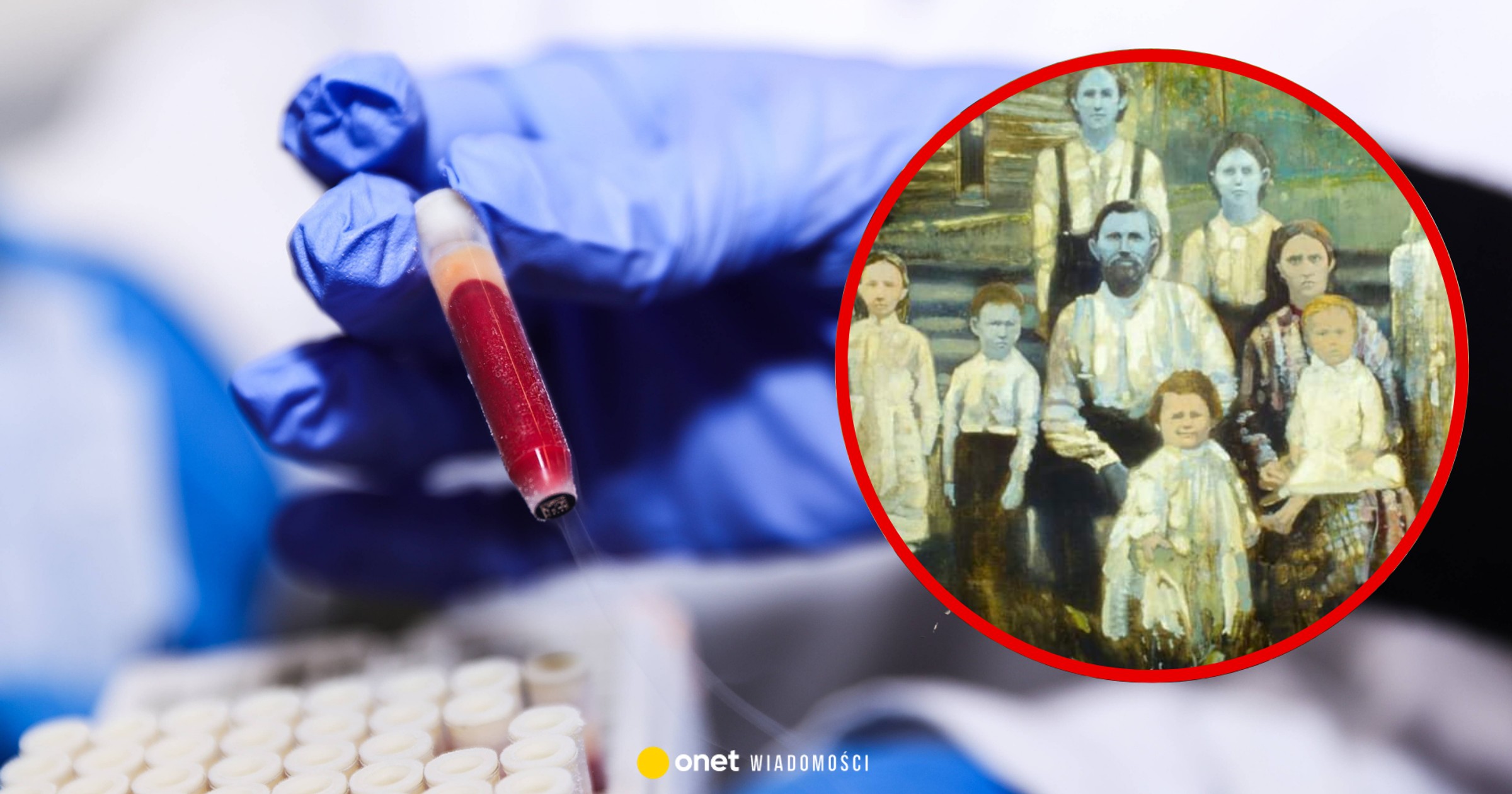
Methemoglobinemia is a rare blood disorder that lacks the enzyme (cytochrome-b5 methemoglobin reductase, or diaphorase) responsible for converting methemoglobin back to hemoglobin that can transport oxygen.
In healthy people, methemoglobin levels are below 1%. In members of the Fugate family, it reached 10-20%, which was enough to give the skin a distinct blue colorbut it did not cause any serious health problems, apart from turning blue in the cold or during exertion.
For over a century, the lack of roads and railroads meant that Troublesome Creek residents rarely left the area. Marriages were concluded mainly within several families. This strengthened the recessive gene and caused blueskins to appear in subsequent generations. One of the most famous, Luna Stacy, considered “the bluest”, had 13 children and lived to the age of 77.
Despite their long lives, family members suffered from ostracism outside their hometown. They avoided cities because people were afraid of them or made fun of them. The legend of the “Blue Men of Kentucky” spread throughout the state.
The mystery was solved only in the 1960s. Hematologist Madison Cawein of the University of Kentucky heard the rumors and headed for the mountains. He examined the last blueskins and confirmed the diagnosis. He also discovered a simple treatment: tablets with methylene blue, which quickly reduces methemoglobin. After administering methylene blue, their skin turned pink.
The last known case was Benjamin Stacey, born in 1975. He was born with blue skin, but the unusual color quickly disappeared. Today, thanks to greater mobility and mixed marriages, the trait has practically died out and the blueskins have become a thing of the past.