America is changing its tone, but not its course. “We have moved from a world based on values to a world based on interests.” Behind the scenes, anxiety is growing
The United States sent more than half a dozen senior officials to the annual global security conference. In some ways, this was a rare case of the Trump administration engaging with the very international institutions it had sharply criticized for much of the last year.
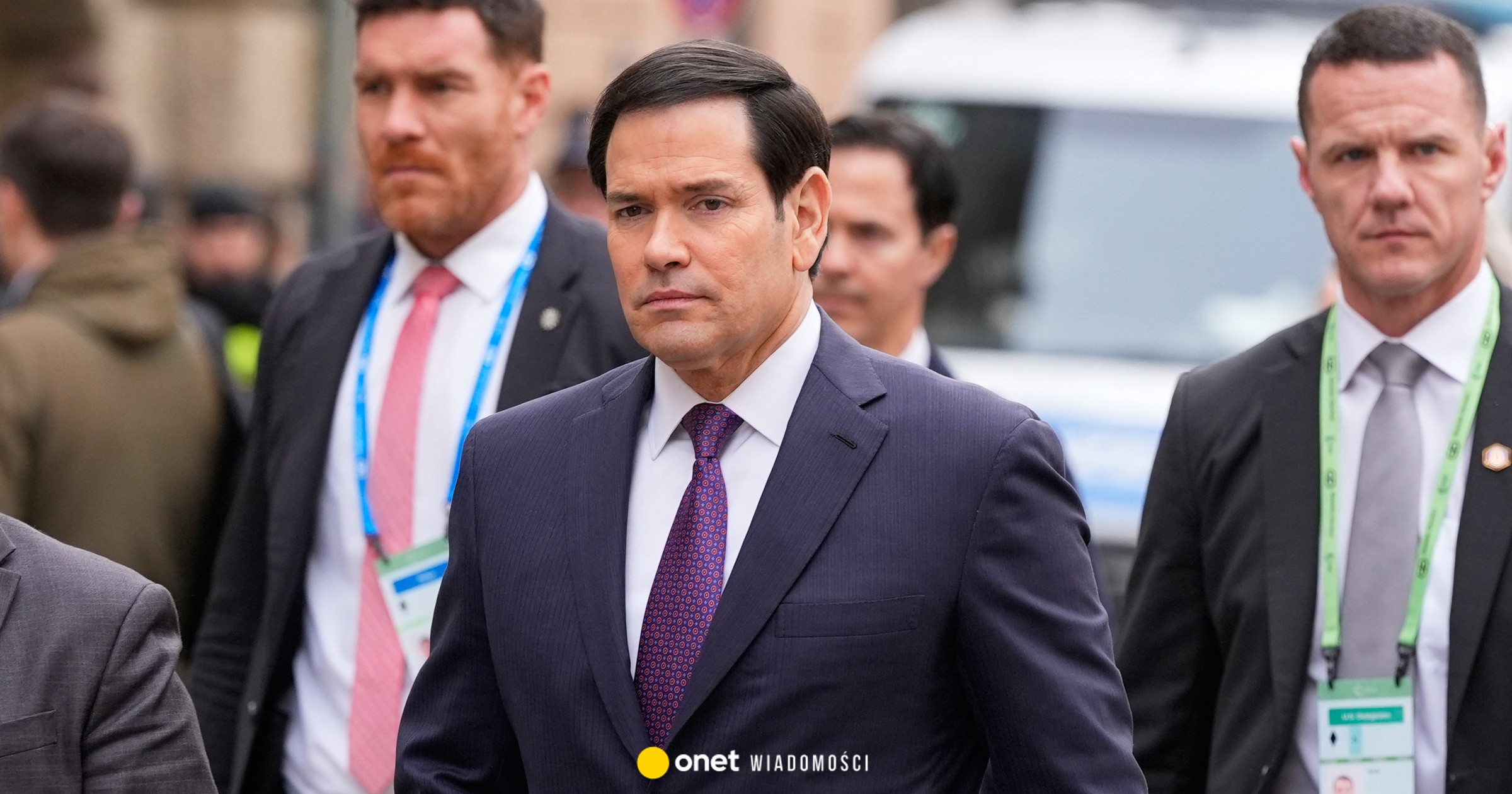
Senior Pentagon security policy official Elbridge Colby won praise in the halls of the grand Bayerischer Hof hotel for his conciliatory remarks in which he called on the United States and its allies to cooperate on European security. Secretary of State Marco Rubio received a standing ovation when he said in a conference speech Saturday: The United States and Europe “belong together.”
But between handshakes in the hallways and sips of mai tais at Trader Vic's, the bar at the Bayerischer Hof where former senator John McCain once met with delegations from both parties, European officials gave vent to their emotions. Conference participants said that the tone of US representatives' statements had changed, but the belief that the Trump administration would like to see Europe as more white and right-wing has not changed.
Officials understand that the US message is 'join us, and if you don't, we will go alone,' notes a European official. – Of course we want to be from the USA – he adds. He emphasizes that while the United States wants to get rid of the so-called rules-based international order, “for us, the rules-based part is very important.”
Such concerns did not bother the delegation representing an administration that has become even more brazen after Trump's attack on Iran last year, the capture of Venezuelan President Nicolas Maduro and his recent threat to seize Greenland.
On Saturday, Rubio attended the G7 meeting. However, on Friday evening he ignored a meeting with European allies on Ukraine, citing time constraints. U.S. Ambassador to NATO Matthew Whitaker said the United States wanted to emphasize the urgency of the situation this year but “not create panic.”
“We just have to chop wood and carry water every day and ignore all the political noise,” he told POLITICO on Saturday.
However, Rubio's speech was not enthusiastically received by many observers. More than a dozen European officials on the sidelines expressed concern that despite Rubio's promise of a “shared future” with transatlantic allies, little had changed in America's policy toward Europe. Some who had positioned themselves as model allies, spending billions to shore up their arsenals with American weapons, were still wondering when long-promised weapons shipments would arrive.
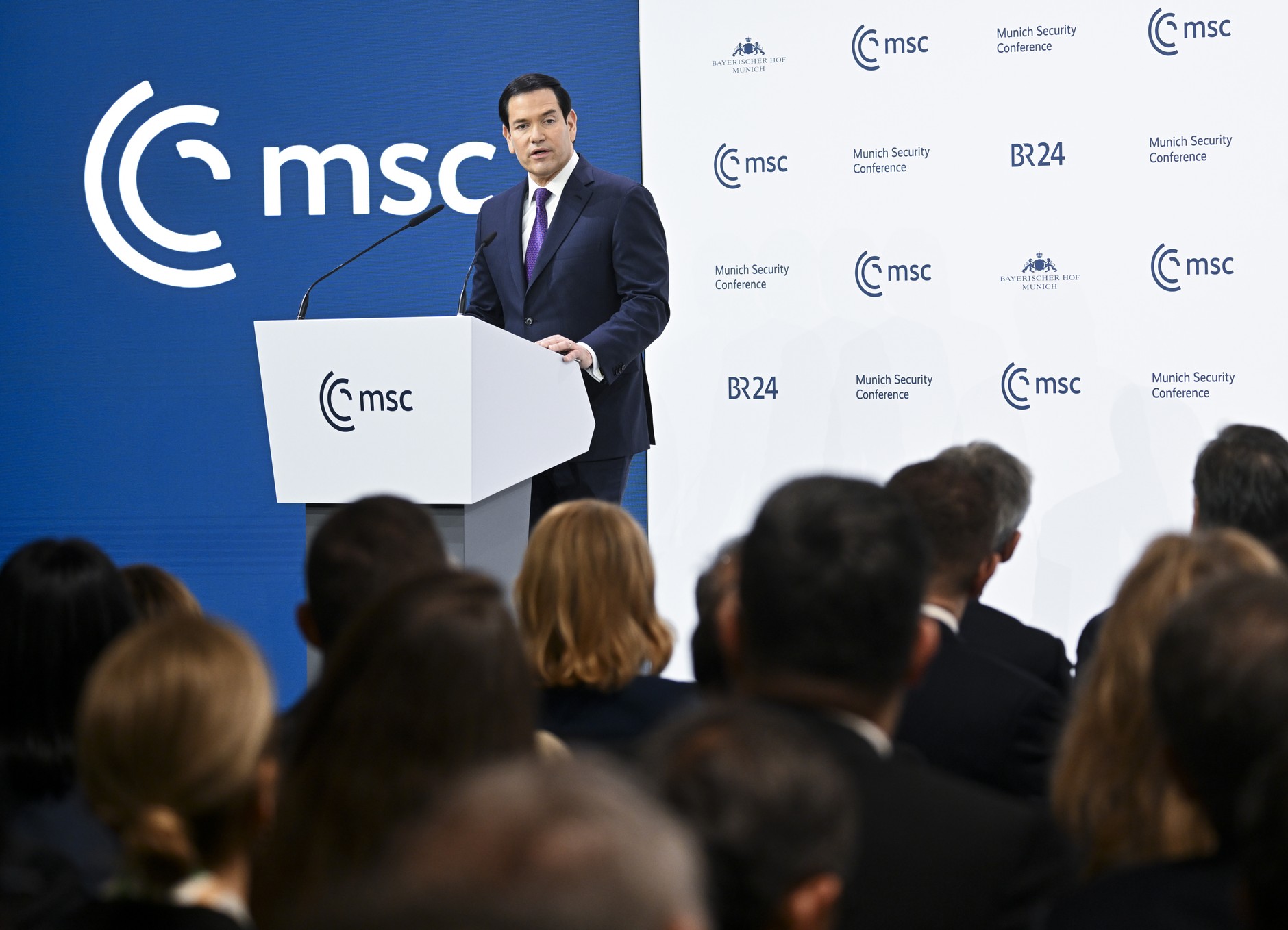
US Secretary of State Marco Rubio delivers a speech at the 62nd Munich Security Conference on February 14, 2026.Halil Sagirkaya/Anadolu via Getty Images/Getty Images
— The basic message was the same: we don't want weak allies, don't defend the old order – says one former European official who, like others, wished to remain anonymous in order to speak honestly about a close ally. “If the common denominator that Americans can find is our common history dating back to Columbus, narrow national security interests and a common civilization, then that alone shows how far apart Europe and the United States are becoming,” he notes.
While many Europeans appreciated parts of Rubio's speech, he did not abandon the references to the MAGA culture wars that some members of the administration are pushing on the continent. Finnish Prime Minister Alexander Stubb, a European leader known for having one of the best relationships with the American president, said Europe would not embrace such ideals.
— MAGA stands for anti-EU. It means an anti-liberal world order. It means opposition to climate change. “This is the ideological subtext that drives U.S. foreign policy,” he said in an interview with POLITICO on Saturday.
Common interests, not values
Behind closed doors, U.S. officials were more candid about their antagonism. Colby, for example, told the audience at a private side event in Munich that the United States shares common interests with Europe, but not values.
— He expressed his readiness to cooperate, but made it clear that Europe must take action and that we have moved from a world based on values to a world based on interests, emphasizes one of the participants.
On the sidelines of last year's conference, you could meet ashen-pale European diplomats, stunned by Vice President JD Vance's sharp criticism of democracy on the continent. There was at least some semblance of healing in Munich this weekend.
The article continues below the video
After Rubio's speech, diplomats, who had been holding their breath waiting for another American rebuke, took a break from back-to-back bilateral meetings to smoke cigarettes and play chess in the courtyards of the two connected hotels where the conference was held. Even American officials, who had kept their European colleagues at arm's length last year, were present in the corridors and at side meetings.
Whitaker, the US ambassador to NATO, spent most of the conference at the POLITICO Pub, talking to colleagues from allied countries. He also had a cordial meeting with Greenland's Prime Minister Jens-Frederik Nielsen on the patio between the interconnected hotels that make up the conference grounds.
However, the events at this annual forum are unlikely to have much resonance in Washington. Trump's advisers want him to he focused more on internal affairs. Vance's team informed European officials that he would not attend the meeting, as vice presidents usually did, to focus more on the administration's domestic agenda.
“What signal is this?”
Other European officials at the conference said Washington's strategic message must not overshadow its approach to the continent since Trump returned to power.
“I'm worried about this denial,” Alice Rufo, French deputy defense minister, told reporters, referring to the national security strategy published late last year suggesting the collapse of European civilization. – We need to read the documents [administracji amerykańskiej]. They are very bright – she said.
Although Rubio struck the right note, his trip on Sunday and Monday to Hungary and Slovakia — EU and NATO countries that have been drifting in a more nationalistic and pro-Russian direction — is a strong signal.
— Marco Rubio arrives with a conciliatory tone, but then goes to Hungary and Slovakia. What signal is this? – asks one European legislator.
But some European officials say Rubio delivered a stark message the continent needed to hear.
“It's a gentler way of telling us that the days of unicorns riding bicycles over rainbows, sprinkled with tofu and drenched in almond milk are over,” says an EU official. — It's not simply about whether we feel safe or not. The question is whether we want to live in reality or in an artificial world of great announcements.
I’m Ashley Davis as an editor, I’m committed to upholding the highest standards of integrity and accuracy in every piece we publish. My work is driven by curiosity, a passion for truth, and a belief that journalism plays a crucial role in shaping public discourse. I strive to tell stories that not only inform but also inspire action and conversation.