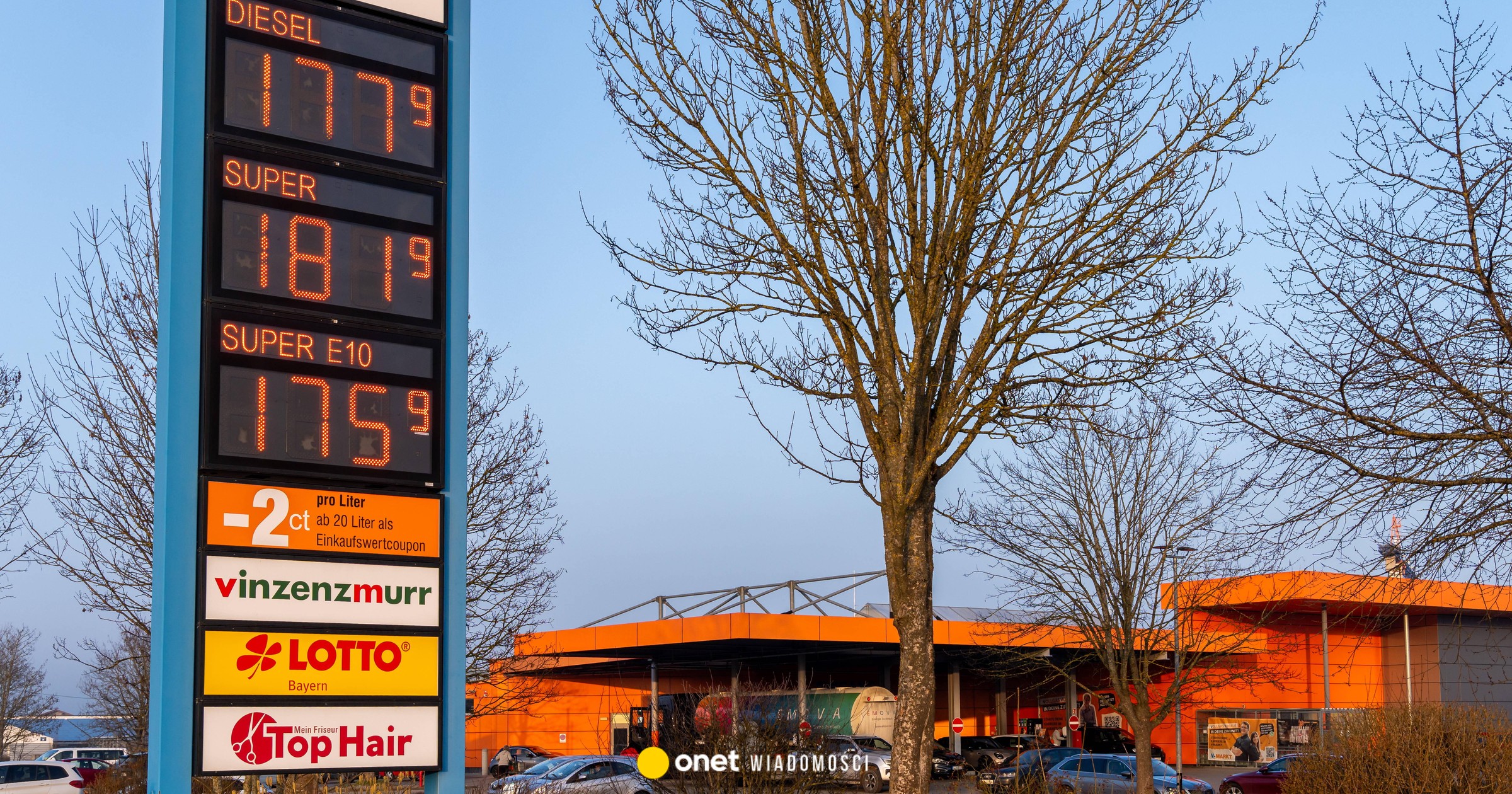
The sudden increase in prices at gas stations raises concerns among Western societies, including German ones. The “black and red” coalition of Christian Democrats and Social Democrats is doing everything to direct drivers' anger towards large fuel companies accused of “preying on customers”. However, whether the currently planned tightening of antitrust laws will actually put gasoline and diesel on the decline remains questionable.
It is, of course, right to strictly control the market, which is governed by a few large players, and to punish quickly and decisively if abuses do occur. But the main reason for the current price increase is war in the Middle East.
We will all feel the effects of the lockdown. It's not just energy that will go up in price
The blocking of the Strait of Hormuz and deliberate attacks on oil and gas production points in the region have an impact on the entire global economy. Soon we will all feel the effects of this, because prices will increase on many levels. Problems with supply chains not only raise energy prices – and therefore soon also electricity prices – but also food and industrial semi-finished productssuch as integrated circuits.
The article continues below the video
The lack of fertilizer supplies is already taking its toll on agriculture. Suspension of deliveries of components from Asia it will also raise the prices of final industrial products. If the war and the blockade of one of the world's most important trade routes do not end quickly, Germany will face another inflation shock.
Against this background, Thursday's meeting of the European Central Bank (ECB) arouses great emotions. Bad memories fuel nervousness in financial markets. After Russia attacked Ukraine and interrupted gas supplies in 2022, prices began to rise sharply – and the ECB reacted to the decline in the value of money far too late.
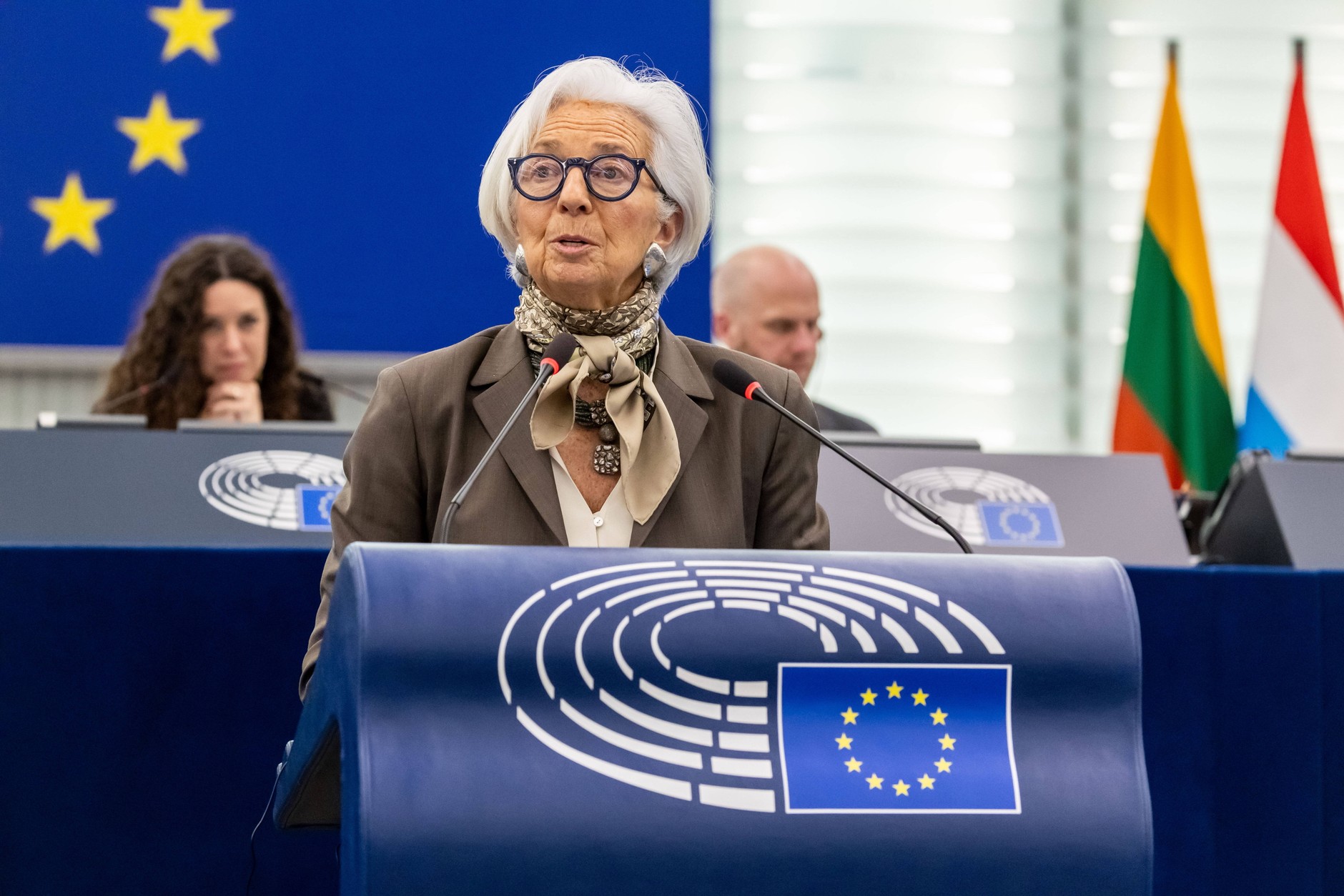
Christine Lagarde, President of the European Central Bank, speaks in the European Parliament. Strasbourg, February 9, 2026EPA/CHRISTOPHE PETIT TESSON / PAP
For too long, CEO Christine Lagarde assumed that price increases would only be temporary. Central bankers, wanting to slow down the economy recovering after the pandemic, delayed raising interest rates. And this delay turned out to be a serious mistakewhich later required an even more decisive response to bring down inflation – which temporarily reached over 10%. — to normal levels.
The ECB president should make it clear that a change in policy will occur soon
Christine Lagarde had to stick to tight monetary policy for a year before she could bring inflation under control, the highest since the 1970s. Germany then fell into the longest recession in its history. In addition, there was inflation so high that many residents have never experienced before. It was a dangerous mix.
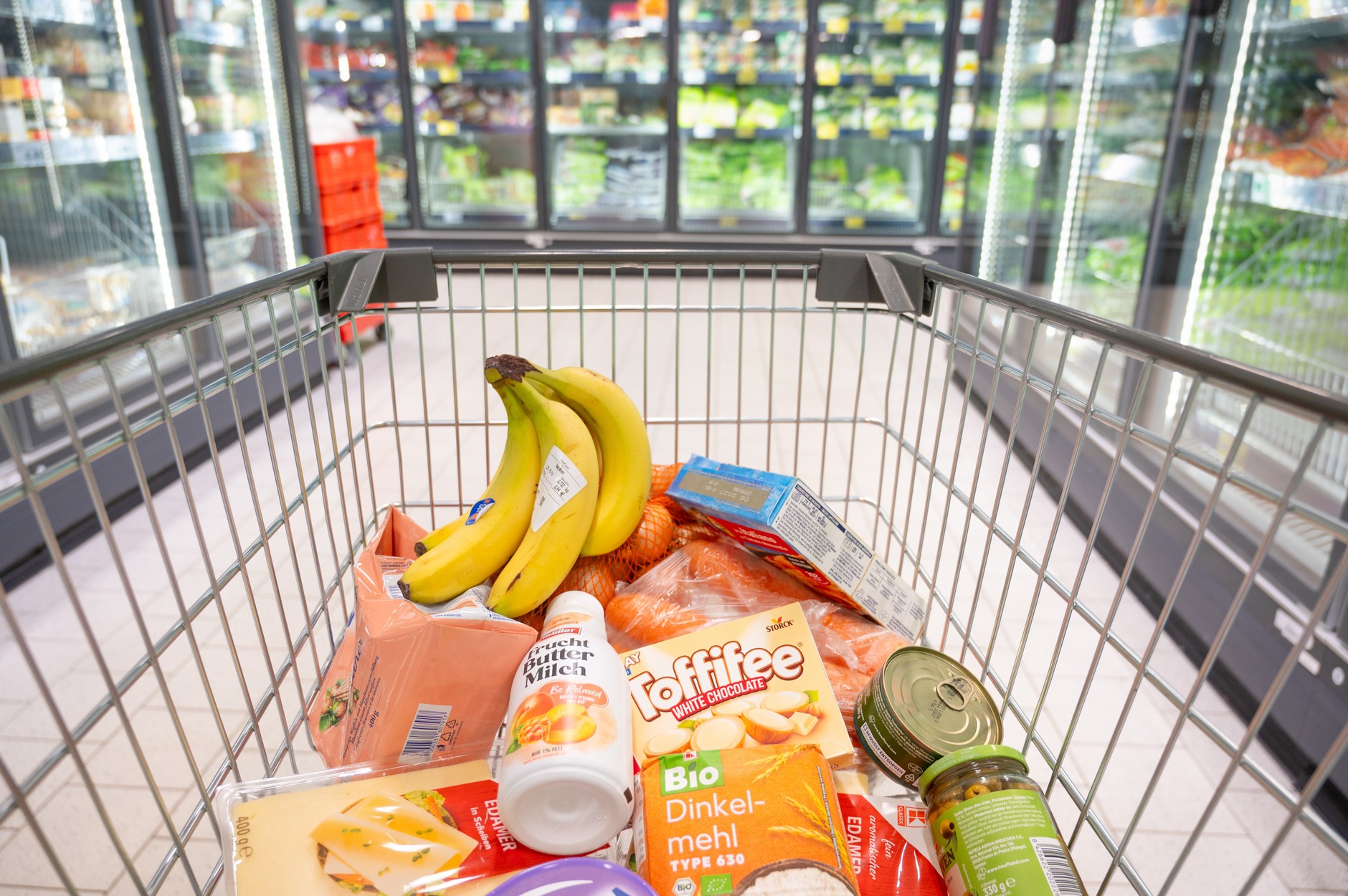
Shopping cart in a German supermarket. Illustrative photoBerit Kessler / Shutterstock
We can only hope that the European Central Bank has learned a lesson from the past. True Central bankers probably won't raise interest rates now. However, Christine Lagarde must make it clear and without regard to the indebted countries that if the crisis in the Middle East does not calm down quickly, there will be a rapid change in interest rate policy.
Also for the sake of the stability of the euro national governments should refrain from short-term actions nowsuch as fuel discounts or budget-subsidized price caps, which could further strain public finances.
Euro banknotes of different denominations (illustrative photo)nvphoto / Shutterstock
Aggressive debt policy – which, unfortunately, is also pursued by Germany – sooner or later it will only fuel inflation. Germans know this well from their own painful experience.
I’m Ashley Davis as an editor, I’m committed to upholding the highest standards of integrity and accuracy in every piece we publish. My work is driven by curiosity, a passion for truth, and a belief that journalism plays a crucial role in shaping public discourse. I strive to tell stories that not only inform but also inspire action and conversation.