This gap in Europe's system is very disturbing. And it will take years to complete it. Experts say there is a serious risk

Conversations with diplomats and analysts show why.
The European arms industry can produce rifles, fighters, tanks and missiles. However, it still relies heavily on the Pentagon for intelligence, transportation, communications and command systems – the “backbone” that ties all activities together into one well-functioning whole.
Defense Commissioner Andrius Kubilius said this week that Europe must be ready to replace American “strategic support” with its own solutions. He called it “the first step towards our independence” and indicated it as a strategic priority.
However, cutting off from the USA would be a long-term and very expensive process.
By definition, no European country can replace the United States
– said Olivier Schmitt from the Royal Danish Defense College.
As diplomats and analysts emphasize, the biggest obstacle is not only money or technology, but politics.
Completely “divorcing” the US would be astronomically expensive. Mark Rutte estimates that the cost would reach up to 10%. GDP is twice as much as the current commitments of NATO countries in terms of defense spending.
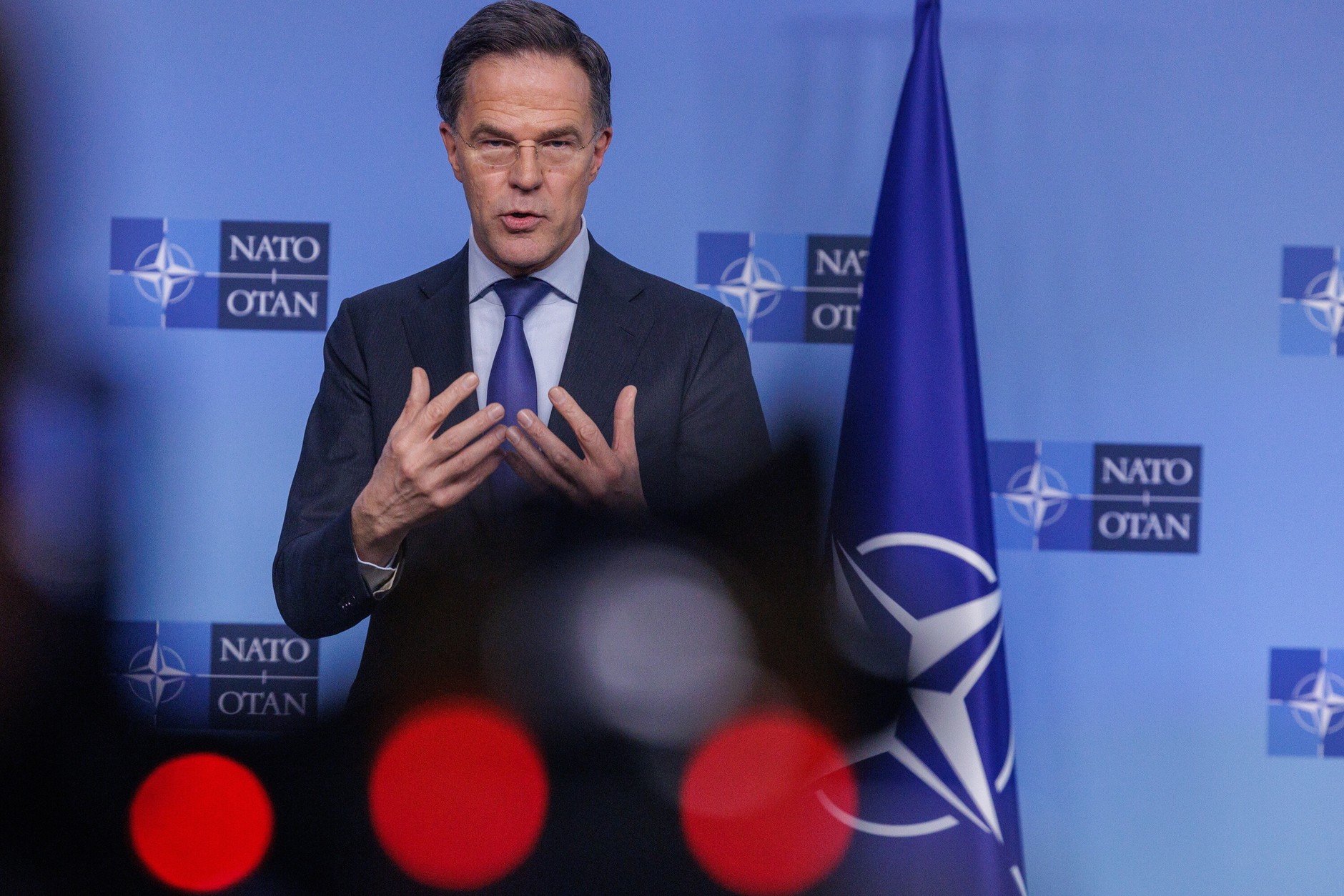
NATO Secretary General Mark Rutte during a meeting of NATO defense ministers at the headquarters of the North Atlantic Treaty Organization in Brussels, Belgium, February 12, 2026.PAP/EPA/OLIVIER MATTHYS / POOL / PAP
According to the International Institute for Strategic Studies, the bill could reach $1 trillion. (approx. PLN 4 trillion). And not only to replace American equipment and personnel, but also to rebuild NATO's space and intelligence capabilities and command systems.
However, Europe is not starting from scratch
As Camille Grand emphasizes, in the vast majority of cases there is already a European alternative.
In 98 percent cases, we have a European solution
– claims.
Surveillance and reconnaissance
The American Boeing E-3 Sentry (AWACS) has been the backbone of NATO's early warning and command systems for decades. However, the Alliance is looking for his successor.
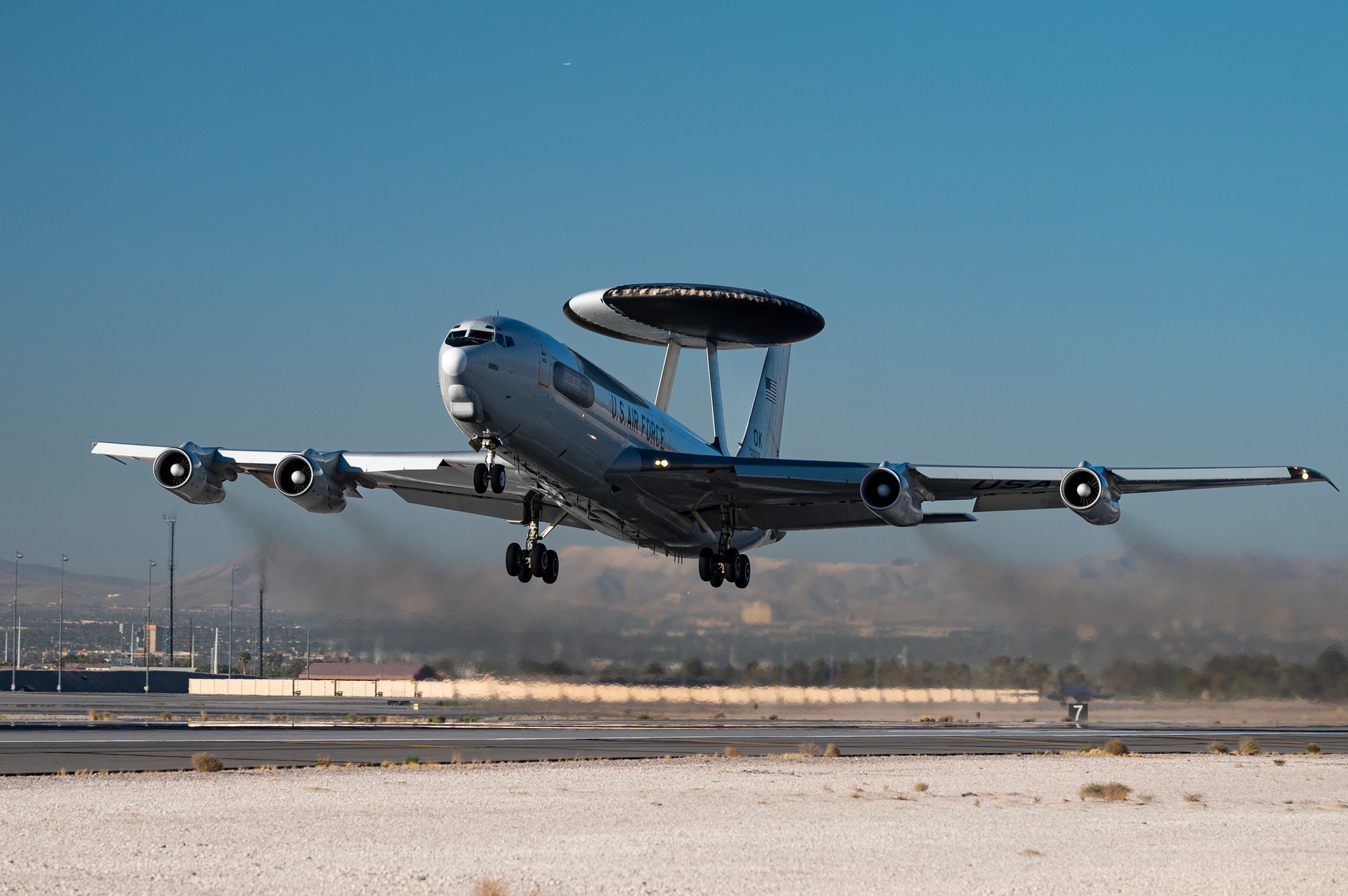
E-3 SentryWilliam R. Lewis / Public Domain / US Air Force
Initially, it was planned to purchase the American E-7A Wedgetail. However, Germany and several allies want to return to talks and consider a European alternative.
One of the candidates is Swedish Saab GlobalEye. Sweden is already buying it, France has ordered two copies, and German Defense Minister Boris Pistorius indicated that the machine is currently the favorite for purchase by the Bundeswehr.
Air defense
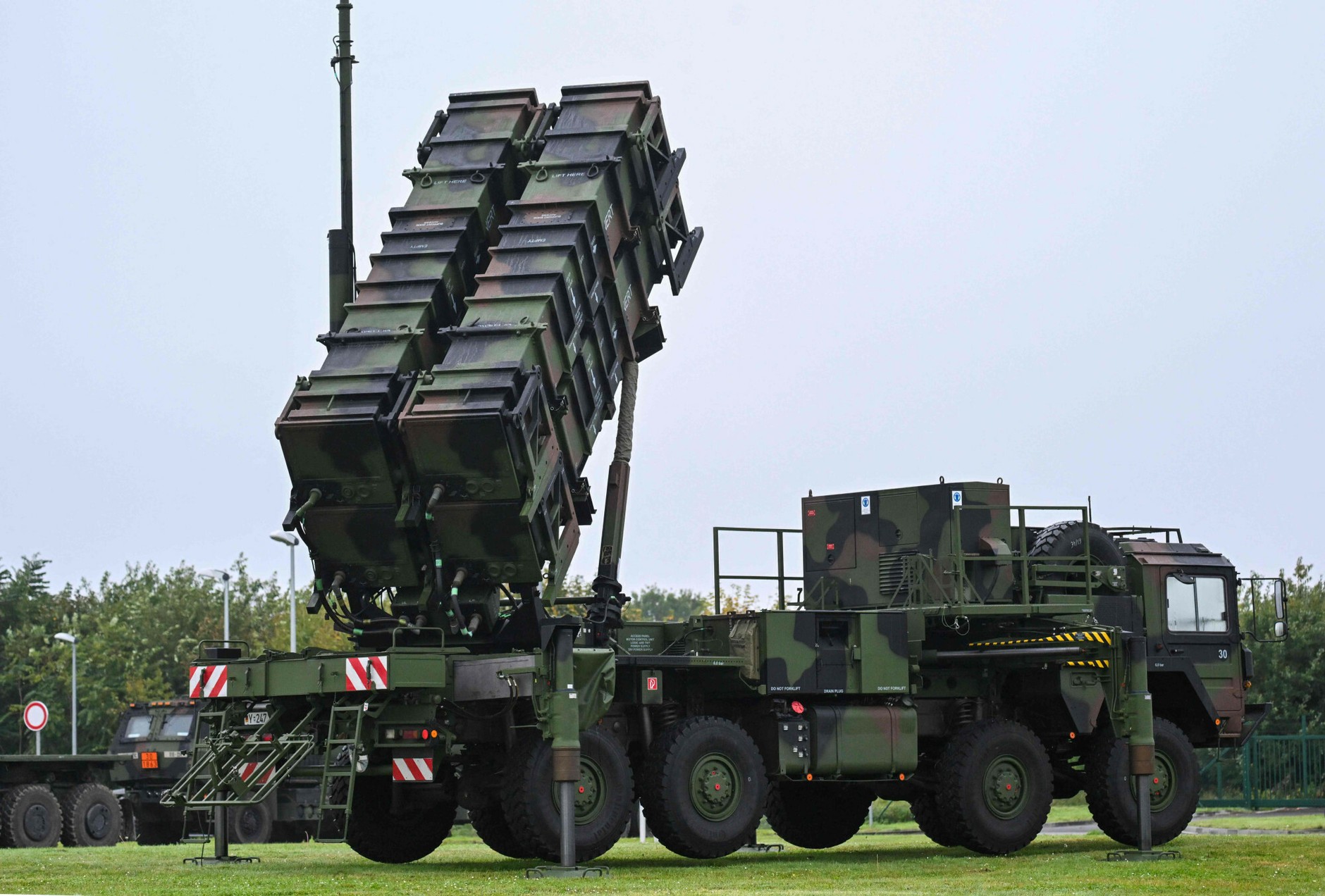
German Patriot systemAFP/East News
An alternative is the French-Italian SAMP-T with comparable capabilities, although with less combat experience. Ukraine is already using it and expects another eight sets. Last year, Denmark chose SAMP-T instead of Patriot.
Air Force and Transport
The American army has over 200 C-17 Globemaster III transport aircraft and an even larger number of C-130 Hercules. Europeans have the newer Airbus A400M Atlas – Germany uses about 50 machines, Great Britain and France about 20 each, and more are in production.
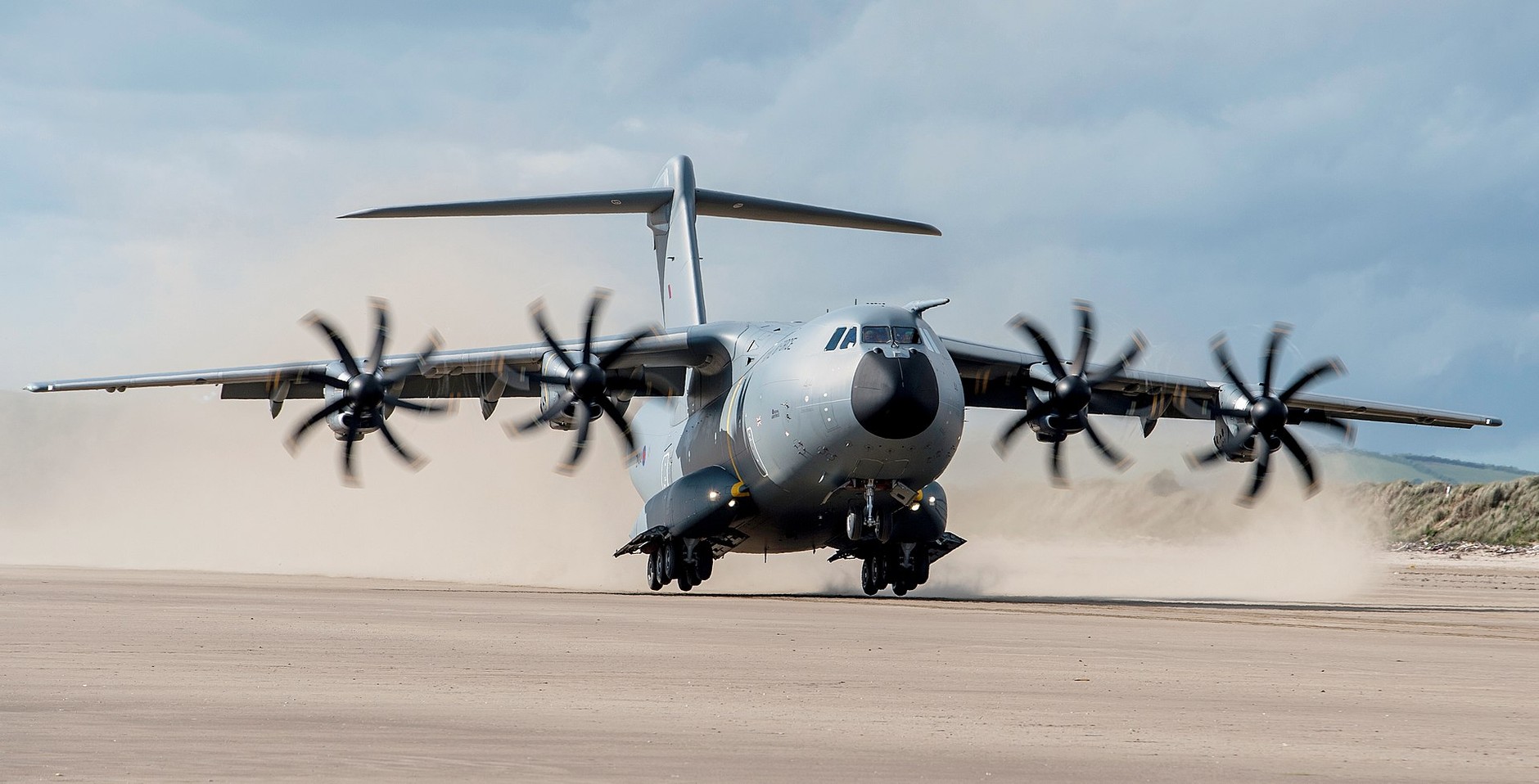
Airbus A400M Atlasdefenseimagery.mod.uk
The US has the biggest advantage in air refueling – it has approximately 450 flying tankers, while Europe has 156 of them, mainly Airbus A330 MRTTs.
Already during the NATO campaign over Libya in 2011, European countries were dependent on US support in many areas.
Space and intelligence – the hardest to replace
European military capabilities in space are limited. Many countries still rely on the US for navigation and intelligence. Although increased spending on the space sector has been announced, the effects will only be visible in a few years.
Europe has a new Ariane 6 rocket, but its launch capabilities are still far behind America's.
However, the most difficult thing to replace is American intelligence capabilities.
As Max Bergmann from CSIS emphasizes, it is not only about the satellites or drones themselves, but about the ability to combine data in real time and transform it into specific goals.
Ukraine still relies heavily on US intelligence. When the Trump administration temporarily halted their transfers last year, Kiev and European allies rushed to look for alternatives.
President Emmanuel Macron said France currently provides about two-thirds of intelligence support to Ukraine.
The problem is politics
Recent polls show a clear decline in trust in the United States as a reliable security partner — especially in France, Germany and the United Kingdom.
To truly stand on its own two feet, Europe would need to:
- standardize defense markets,
- reduce the duplication of weapon systems,
- buy equipment together,
- and significantly increase defense spending.
As former British security minister Tom Tugendhat wrote: “Europe's problem is not a lack of money. The problem is a lack of cohesion.”