German Chancellor Friedrich Merz opened the Munich Security Conference on Friday with a strong speech. He spoke, among others: about “nuclear deterrence” and the weakening position of the US. We wrote more about this HERE.
Europe is now waiting for a response from the representative of the United States. As the BBC writes, US Secretary of State Marco Rubio spoke about a breakthrough moment and a “new era” during his trip to Europe, where he will deliver a speech at the Munich Security Conference.
“Rubio will lead the U.S. team in the first major global event since President Donald Trump threatened Denmark's sovereignty by pledging to annex Greenland,” describes the British daily.
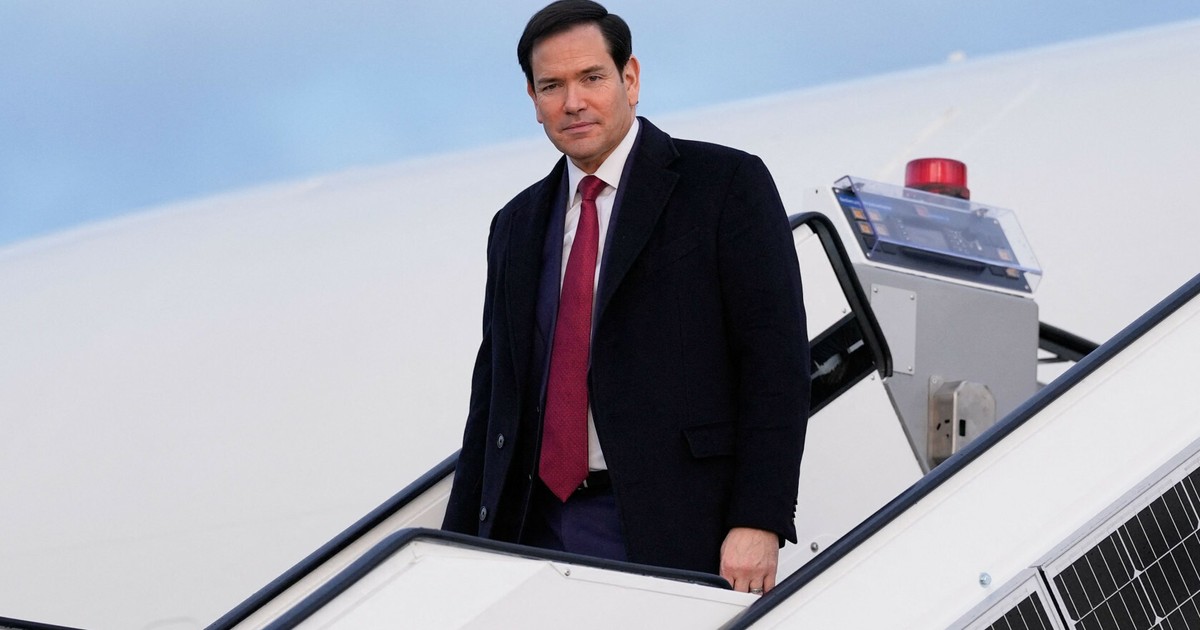
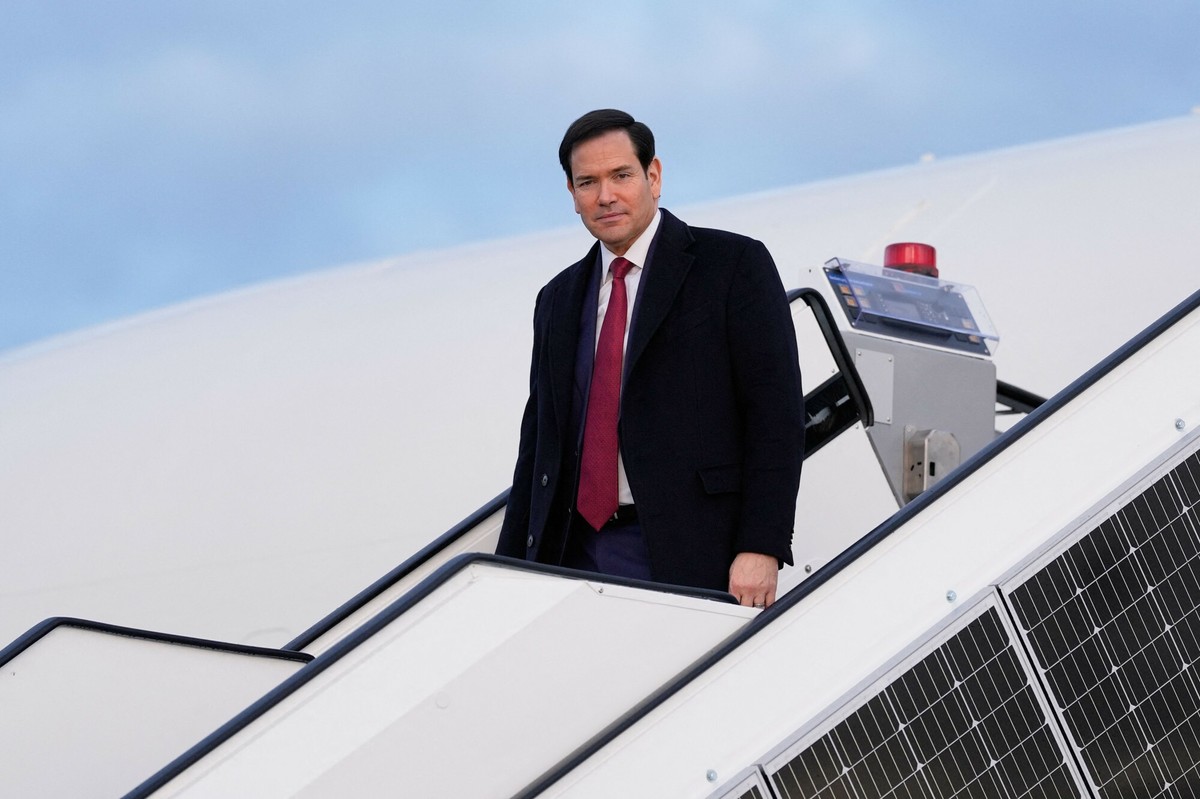
Marco Rubio before the Munich Security Conference
“The world is changing very quickly before our eyes” Marco Rubio told reporters when asked if his message to Europeans would be more conciliatory than a year ago.
“We live in a new era of geopoliticswhich will require all of us to rethink what it looks like and what our role will be,” he added.
See also: The key meeting in Munich is about to begin. Here are the main topics
The BBC reminds that during last year's conference, US Vice President JD Vance attacked Europe, including Great Britain, for its policies regarding freedom of speech and immigration. His comments then sparked a series of unprecedented transatlantic tensions.
German Chancellor Friedrich Merz opened the Munich Security Conference
Opening this year's conference, German Chancellor Friedrich Merz addressed the United States directly, saying: “Let us repair and revitalize transatlantic trust together.”
He also revealed that “confidential talks” are underway with Macron on the creation of a common European nuclear deterrence mechanism.
About 50 world leaders are expected to attend this year's event, which will discuss European defense and the future of transatlantic relations at a time when the United States' commitments within NATO are being questioned.
The BBC notes that before the conference, eight former US ambassadors to NATO and eight former supreme commanders of the US armed forces in Europe signed a letter in which they called on Washington to maintain support for the Western defense alliance.