

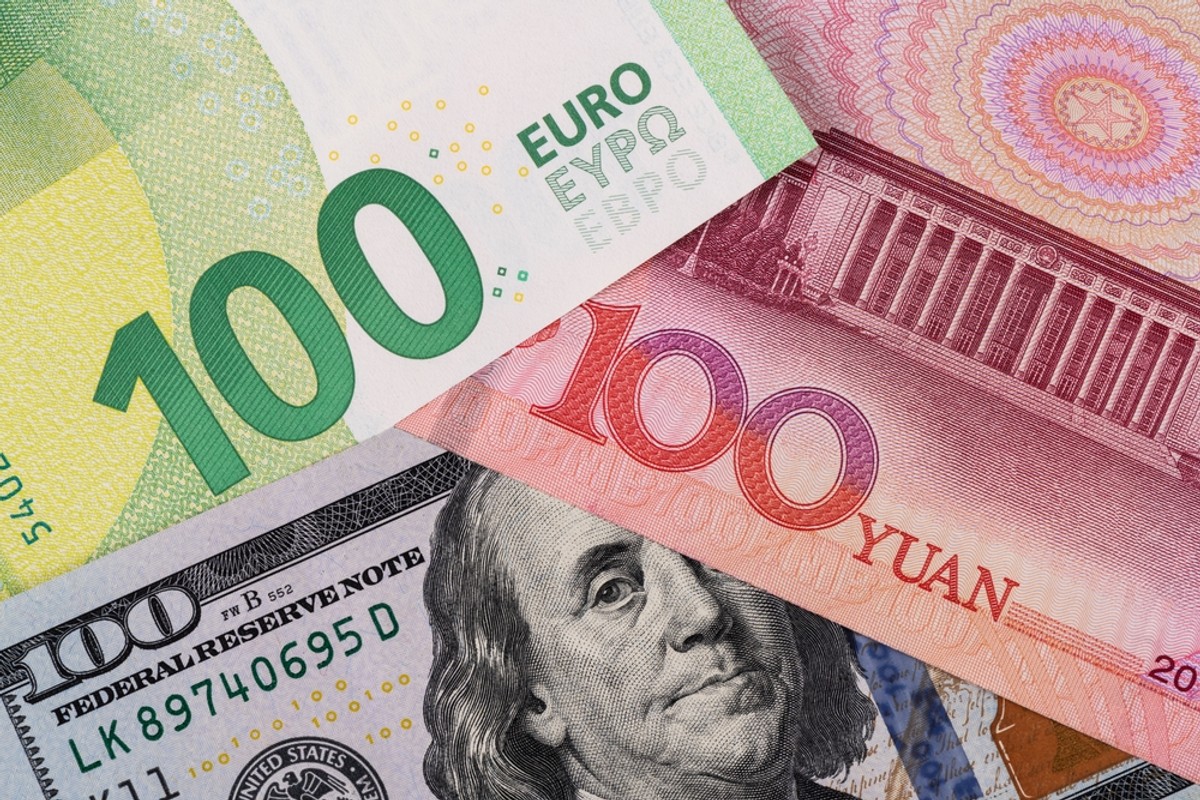
“The dollar is depreciating again against the euro and the Chinese yuanas European and Chinese leaders seek to strengthen the global role of their currencies by taking advantage of growing doubts about the dollar. Recent exchange rate movements appear to be going in line with expectations on all sides, especially Washington,” notes Mike Dolan, editor-in-chief of Finance and Markets at Reuters.
In an opinion published in Reuters he notes that The Chinese yuan has reached its highest level against the dollar in almost three years. Since the beginning of last year, the dollar has lost 6%. Increase in the value of the euro by 15%. against the dollar in the same period it is even more visible.
See also: Exchange rate of yuan and dollar. China is intervening and sending the strongest signal in years
Just last Thursday, sources at the European Central Bank said the bank's aim was to expand euro liquidity to more countries, which would make it cheaper and easier to use the euro abroad and strengthen the currency's international role.
China's president has also recently made it clear that he wants a “strong currency” more widely used in global trade, finance and global reserves.
Dollar versus euro and yuan. “The moment has come for action”
“Both regions appear to recognize that global investors are beginning to rethink the dollar's overwhelming dominance in global finance after a year of aggressive and destructive U.S. diplomacy and trade policy — and it appears that now is the time to act” – comments Mike Dolan.
He notes that for over a year there has been a perception that Washington accepts a weakening dollar brings about a shift in cross-border investment that is necessary to truly reset international trade or reduce global imbalances. Donald Trump called the dollar's sharp decline in January “terrific”.
See also: Dollar after pressure from US policy. In the background there are changes in the Fed and the lack of key data
Mike Dolan quotes Gavekal Research's Charles Gave as saying that the 220-point premium between the five-year US Treasury yield and the yield on equivalent Chinese bonds will effectively be absorbed by another 10% decline in the value of the dollar against the yuan by 2031, making lower yield Chinese bonds will become more attractive.
Given that inflation in China has been at least 200 basis points lower than in the United States for over five years, this appreciation is generally justified.


