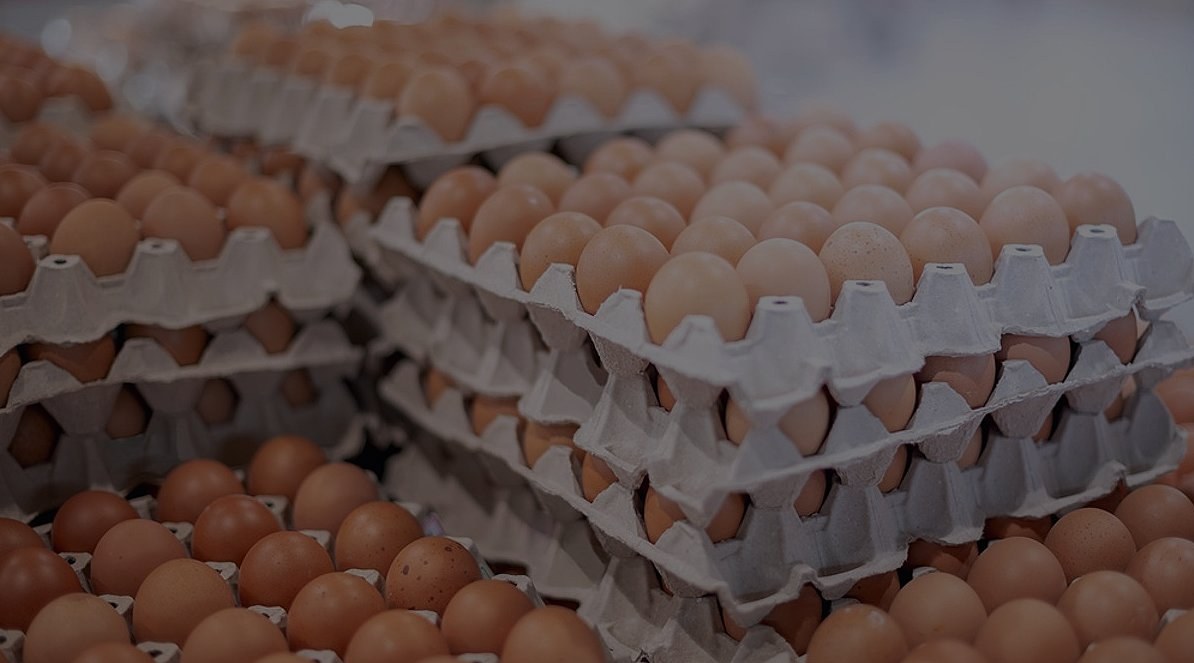
The Polish poultry industry is currently contending with a surge of infectious diseases that have impacted millions of birds. This situation threatens to increase prices for eggs and chicken, and could also affect other products if losses exceed initial forecasts.
Information from the press office of the Chief Veterinary Inspectorate (GIW) indicates that this year has witnessed 143 outbreaks of highly pathogenic avian influenza (HPAI), involving 9.7 million poultry. Additionally, 52 outbreaks of Newcastle disease (ND) affected 3.7 million birds. In total, over 10 million birds have been culled due to these diseases.
Comparative data from previous years underscores the gravity of the current situation. In 2025, HPAI affected 10.2 million birds, while ND impacted 8.5 million. Two years prior, these figures were 3.2 million and 3 million, respectively. This year’s statistics indicate a persistent challenging epizootic scenario within Polish farms.
Avian Influenza Hits Egg Production
Paweł Podstawka, president of the National Federation of Poultry Breeders and Egg Producers (KFHDiPJ), emphasizes that infectious diseases are having the most significant impact on the egg sector. The lengthy process of reconstituting flocks—rehabilitating hen populations takes between 6 to 9 months—greatly extends the timeline for returning to normal production levels.
This year, HPAI has affected 4.88 million laying hens. With a national population of laying hens estimated at 38-42 million, the current number of hens culled due to HPAI represents a loss of about 12% of production capacity. Each laying hen produces approximately 300-330 eggs annually, leading to an estimated loss of 120-135 million eggs per month. While some flocks will be rebuilt, the extent of the losses remains substantial, as explained by the expert.
Breeders Predict Further Losses
Industry estimates suggest that by year-end, the number of lost laying hens could reach 5.5 to 6 million. The restricted supply of eggs is likely to keep prices above the historical average and heighten competition for resources between retailers and processing plants. The industry anticipates supply recovery only in the first half of 2027.
If losses among laying hens prove to be greater than expected, shortages of industrial-grade eggs could arise in the market. Consequently, prices for egg powders and liquid egg products may rise, and imports of eggs and egg products are expected to increase. Such a scenario would exert price pressure throughout the supply chain.
Variable Impact of Diseases on Poultry Meat Market
According to Podstawka, the nature of poultry farming means that different diseases affect various segments of the industry. HPAI primarily impacts large laying hen farms, while ND more significantly influences poultry meat production. This distinction affects how rapidly consumers will perceive the effects of the outbreaks.
This year, HPAI is primarily a challenge for the egg market, as it targets substantial populations of laying hens. Conversely, ND has a more pronounced effect on the poultry meat sector. This means that consumers are likely to notice the impact of HPAI on egg prices sooner than they will feel the effects of ND when purchasing poultry meat, Podstawka explains.
- Cocoa prices are falling, but chocolate continues to rise. The reason has been revealed.
The key factor is the breeding cycle—broilers reach slaughter weight in just 6 weeks, allowing the poultry meat market to restore supply more quickly. However, given the ongoing scale of infections in meat farms, Podstawka does not rule out an increase in poultry meat prices and a reduction in exports from regions affected by disease control measures.