We described for “Wprost” the story of a Polish family that is planning to return to their homeland. “This is vegetation,” said Mr. Piotr. He added that he lives from month to month. “I pay the rent, the bills and I break even. […] The payouts have practically equalized, I know people who earn the same money in Poland as we do in Germany,” he said.
He has lived in Germany for 14 years. “I see this 'Polish abundance'”
One of our readers, who has been living in Germany for 14 years, reacted to this text. From his perspective, the situation looks completely different. “Reading about Poles who return to Poland for economic reasons, I wonder how incorrigible people they must be,” he writes.
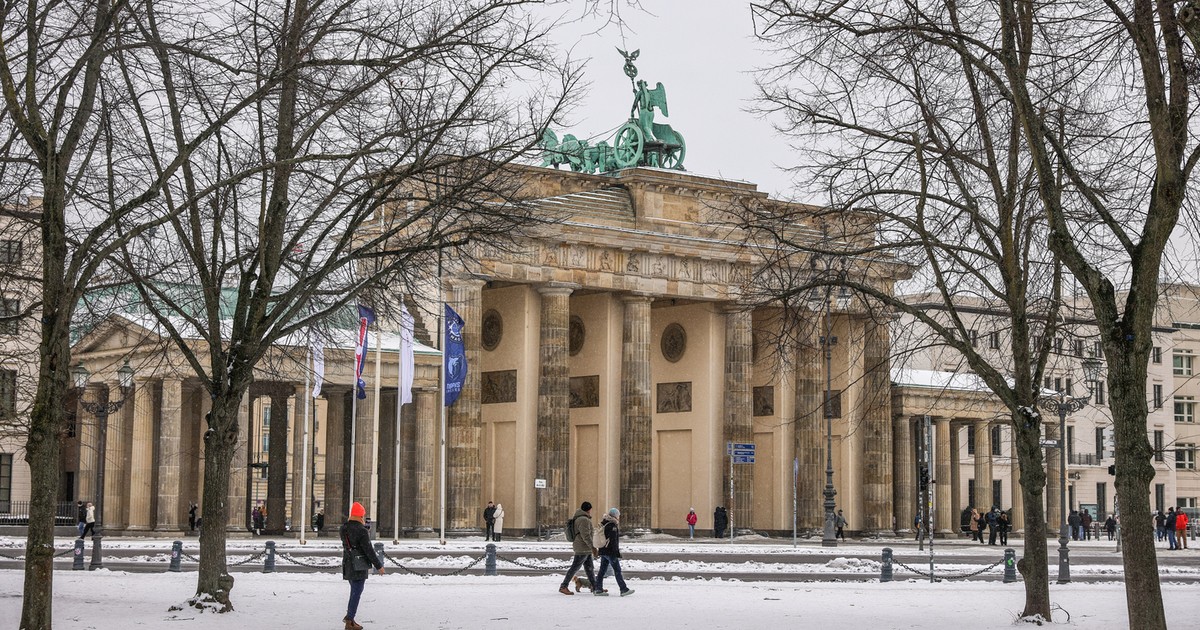
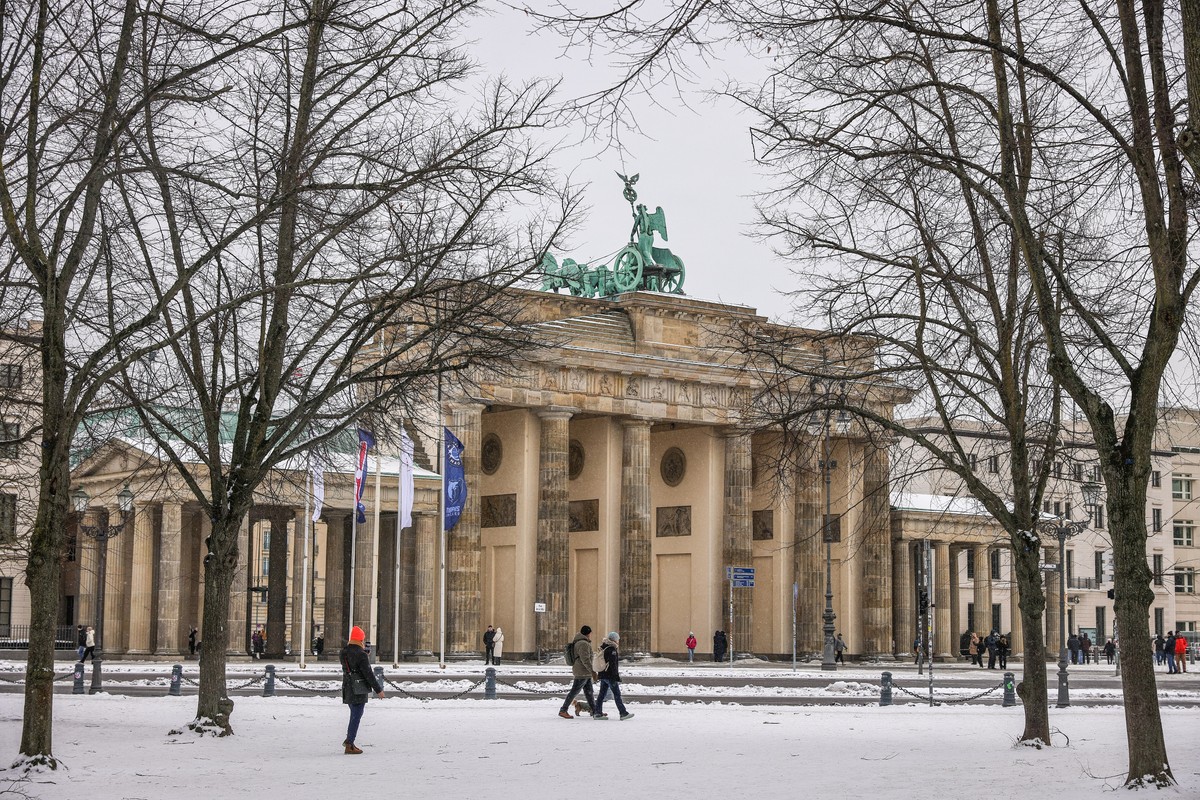
He explains that he is middle-aged and lives in Berlin with his wife and two children. “I understand people who come back because they miss their country and family, I understand those who have earned more and want to spend their money in their own country, but return from Germany to Poland because of poverty?” – he wonders. He adds that for him it is either “extreme stupidity” or “propaganda”.
See also: German exports are growing, but production is falling. Structural challenges of Friedrich Merz's government
He has friends in Poland, he observes their lives. “I look at them and see this 'Polish prosperity'. My friend, who still lives with his parents, lives almost from one day to the next, because he took out loans to help his parents renovate their apartment. A friend with her husband and two children often borrows money from people, even though they both work. Neither of them has been on vacation for years, a dentist is a luxury for them. A financial cushion is something unattainable for them,” describes our reader.
He points out that he also has friends who run their own businesses and earn well. “I honestly feel like I'm closer to them than to the friends mentioned earlier. The difference is that my wife and I don't have good jobs. We both work as dishwashers, demonized and ridiculed in Poland, earning slightly above the minimum wage,” he writes. He also emphasizes that they do not have higher education, and he himself only formally graduated from junior high school.
See also: The contribution of Ukrainians to the Polish economy. The losses would be enormous
He adds that they can afford orthodontic braces for the children, two weeks of vacation and rent a four-room apartment. He never had to take out a loan or buy in installments. “Should I believe that in Poland, for plus or minus two national minimums, I would have the same thing?” – he asks.
He feels that if he or his wife got sick, they would have support. “I am aware that the state will help if necessary. In Berlin, apart from meals, kindergartens are free of charge, meals in primary schools are the same, textbooks and school supplies cost pennies compared to Poland. Unfortunately, in many respects, these are not differences, but a gap,” summarizes a Business Insider reader.
See also: Poles are leaving another country en masse. The change is rapid
In 2026, the minimum wage in Poland increased to PLN 4,806 gross per month. As Deutsche Welle recently described, in Germany the minimum hourly wage is currently EUR 13.90 gross, i.e. approximately PLN 59 per hour. With a full-time job, this amounts to approximately EUR 2,400 gross per month (approx. PLN 10,103).
After deducting taxes and contributions, a single person working in Berlin receives approximately EUR 1,700 net (approximately PLN 7,156). For comparison, a single person in Warsaw earning the Polish minimum wage has less than PLN 3,606 at their disposal.
If you are one of the returning emigrants and want to share your story, please contact the author of the material and write to [email protected].