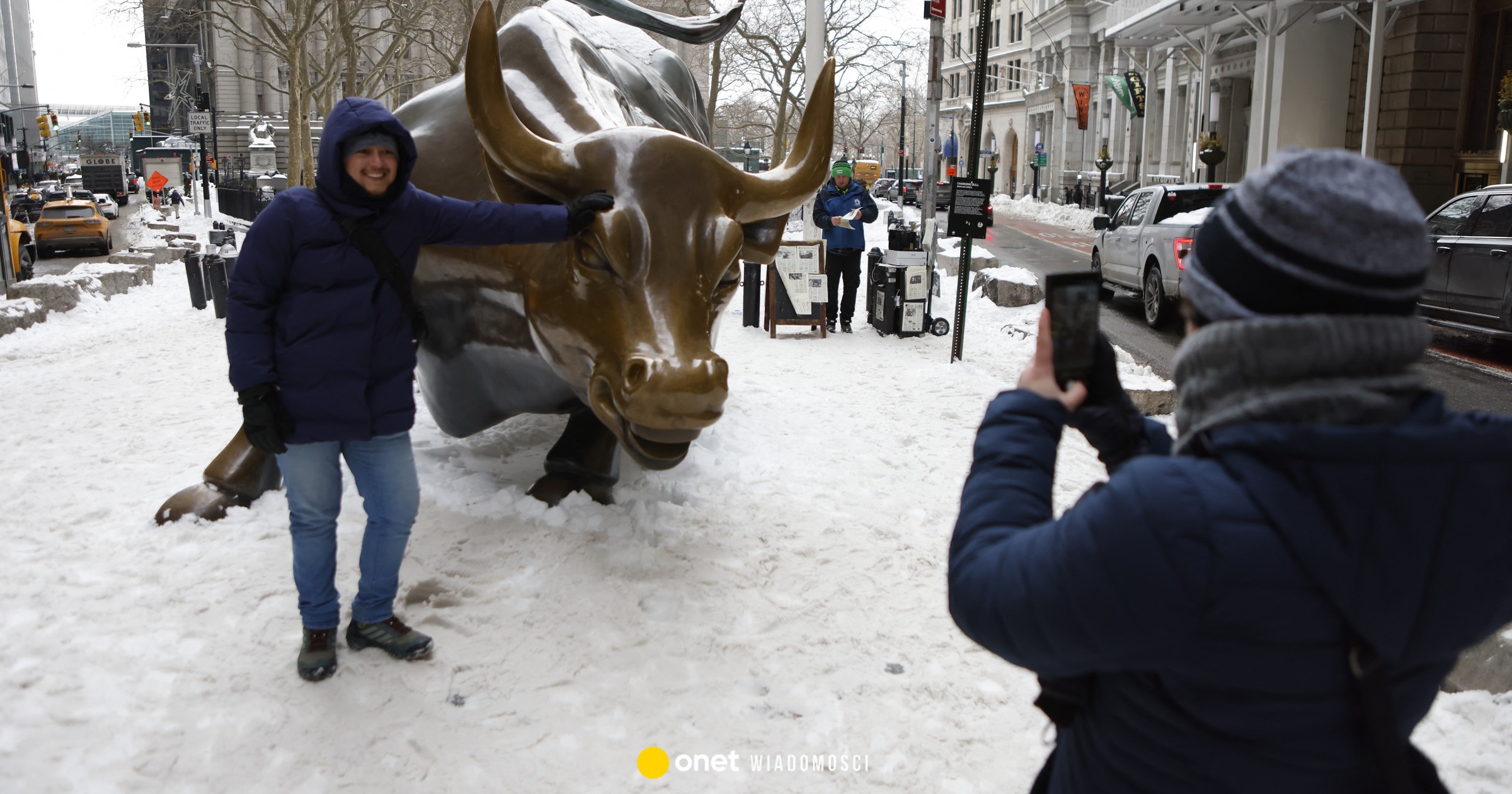
According to data from the International Trade Administration, the number of foreign tourists decreased by 4.2% in 2025.
This is the first decline since the COVID-19 pandemic. The most interesting thing about the whole thing is that tourism around the world is booming. The UN Tourism Organization reports an increase of 4%.
“The United States is the only major travel destination in the world where spending by foreign tourists is declining.” – Erik Hansen, senior vice president of the US Travel Association, tells the Financial Times.
Okay. 11 million fewer visitors, $50 billion. (at the current exchange rate PLN 177 billion) income losses – as the expert warns, “the effects are huge”. “Even one percentage point less means billions of dollars and hundreds of thousands of jobs,” Hansen adds.
Reason? Donald Trump's administration: entry ban for tourists from several countries, suspension of visas for 75 countries, such as Brazil and Thailand, and stricter controls, including digital ones. According to the US Customs and Border Protection, the number of inspections of various devices at the border increased by 18% last year. In the future, guests from dozens of countries will have to disclose even their social media activity from the last five years.
The article continues below the video
Tourists are discouraged
Proposals for additional data to be collected include: telephone numbers used in the last five years and email addresses used in the last 10 years. In addition, there is detailed information about family members, such as dates of birth, places of residence and places of birth. Next Monday is the deadline for submitting objections and comments regarding the proposed changes. American authorities will then analyze the applications and possibly introduce new regulations before the whole thing is finally approved.
The changes apply to people arriving in the United States on the basis of the electronic Esta application – a universal, visa-free permit for tourists and business travelers from over 40 countries that participate in the Visa Waiver Program (VWP). The stay in the United States is then allowed for a maximum of 90 days.
Trump's hard line towards allies and his immigration rhetoric are a deterrent. “The United States is losing market share as links between travel and trade weaken and less openness deters visitors,” writes Adam Sacks of the journal Tourism Economics in a report on tourism trends in 2025.[Jest to] a pattern reminiscent of the UK's experience following the Brexit vote.
The decline is particularly pronounced for its neighbors: the rate of travel from Canada to the U.S. dropped by 10.2%. Europe and the Middle East are also turning away from this country (3.1% and 3% fewer visitors, respectively). Already in March 2025, the number of Western Europeans who spent at least one night in the United States dropped by 17%. compared to the previous year. The number of trips from Ireland, Norway and Germany dropped by more than 20%.
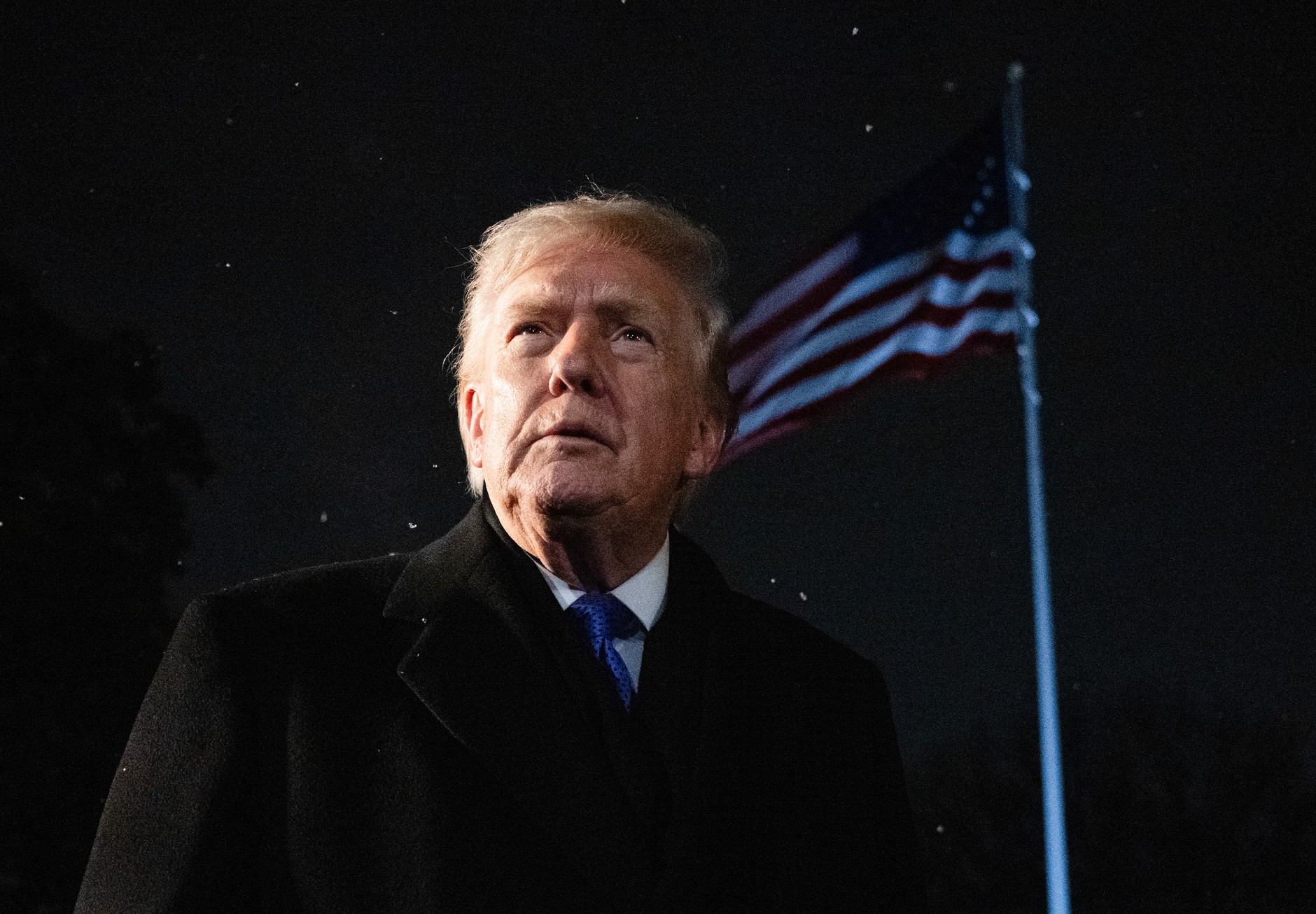
US President Donald Trump, February 7, 2026Andrew Caballero-Reynolds / AFP
A blow to the industry
The consequences for the economy are severe. Hotels are suffering dramatic losses. Analyst firm Costar reports that turnover per available room (an important industry growth indicator) has fallen for the first time since the height of the pandemic. This value is negative every month.
Carriers are also feeling the changes. European airlines report weaker performance on routes to North America. Lufthansa is raising more and more question marks about demand in its core business, which is flights over the Atlantic. For flights from Europe, the airline has seen some caution in bookings, especially for cheaper tickets for the third quarter of 2025, and suspects this is related to Trump's confrontational policy. British Airways CEO Sean Doyle talks about decline in the first half of last year.
Even the Disney entertainment company warns of “international traffic headwinds” at US theme parks. The hope rests on the 2026 FIFA World Cup. However, analyst Shaun Kelley of Bank of America expects overall “weak” demand.
“The World Cup is a promotional event for the United States, watched by 5 to 6 billion people around the world,” says Erik Hansen of the US Travel Association in an interview with the Financial Times. “And if that publicity is negative, it could have repercussions that will last for a decade,” he concludes.
I’m Ashley Davis as an editor, I’m committed to upholding the highest standards of integrity and accuracy in every piece we publish. My work is driven by curiosity, a passion for truth, and a belief that journalism plays a crucial role in shaping public discourse. I strive to tell stories that not only inform but also inspire action and conversation.