The program with which the opposition wants to remove Viktor Orban from power. Among the measures, a wealth tax and the switch to the euro currency

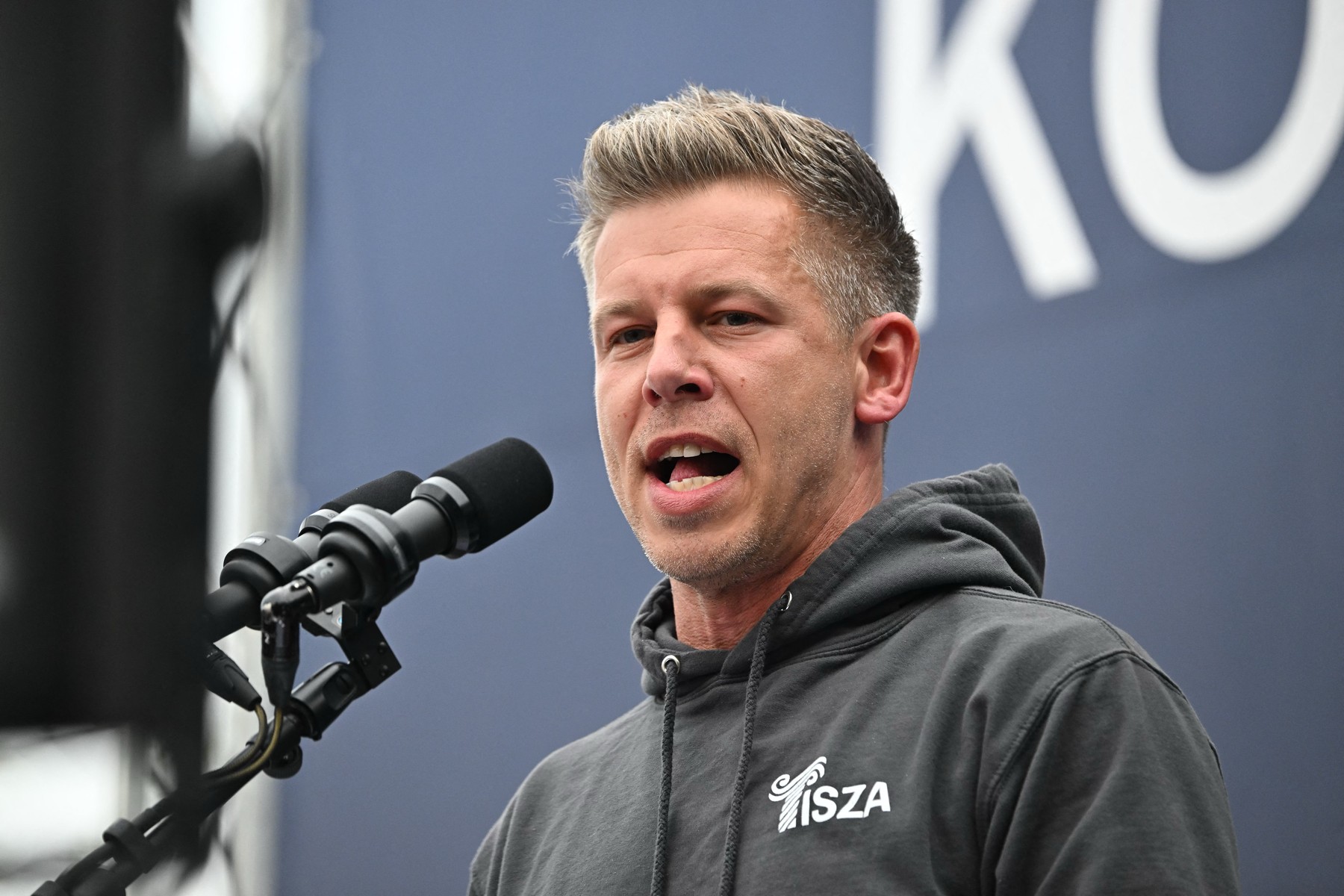
Peter Magyar. Photo: Attila KISBENEDEK / AFP / Profimedia
Tisza, the opposition party led by a former close associate of the government Viktor Orban, published a 240-page election program on Saturday, and among the actions promoted are a wealth tax, the transition to the euro currency and Hungary's firm anchoring in the EU and NATO, according to Reuters.
Ahead of parliamentary elections on April 12, the centre-right party poses a major challenge to Hungary's nationalist Prime Minister Viktor Orban, whose Fidesz party has been in power since 2010.
The party is led by Peter Magyar, a former government close-turned-opponent, who claims the party will fight corruption and unlock billions of euros in frozen European funds to boost the economy.
These points were included in the electoral program published on Saturday, which includes plans to reduce income tax for those who earn less than the average wage, but also an annual tax for the wealthiest.
“For those with wealth exceeding 1 billion forints ($3.13 million), we will introduce an annual wealth tax of 1 percent on that part of their wealth that exceeds this threshold,” the statement said.
Tisza wants to end dependence on Russian energy
In the same program, Tisza pledges to end Hungary's dependence on Russian energy by 2035 and to double the share of renewable energy sources by 2040.
At the same time, Peter Magyar's formation wants to build a new nuclear power plant, but claims that if it reaches the government it will do a “comprehensive analysis” of the Paks 2 power plant project, built by Russia.
Tisza also claims that if he wins the elections he will “once again establish a predictable and achievable target” for the transition to the euro currency.
In the program entitled “The foundations of a functional and humane Hungary”, reforms are also promised in the area of public services.
“We will immediately begin reforming health care, education, the welfare system, the child welfare system and public transportation,” Magyar said in a video introducing the program.