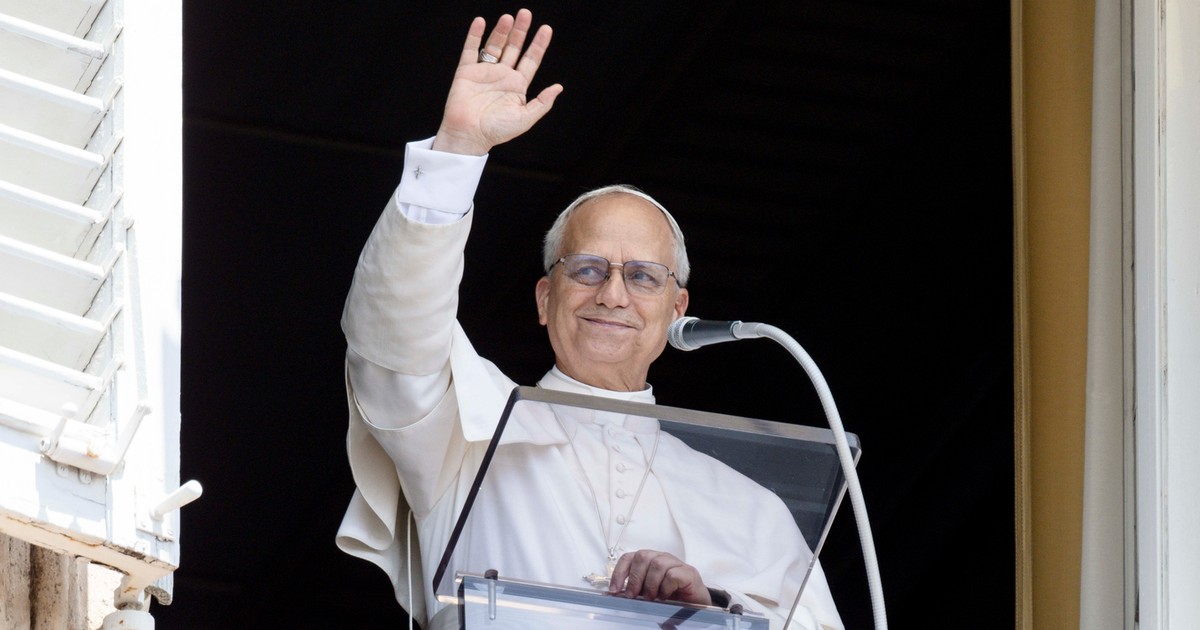
The pope's words came on the eve of World Communications Day, highlighting the risks associated with “AI psychosis” – a condition in which users lose touch with reality after intense interactions with bots. The Pope drew attention to cases of teenage suicides that were allegedly linked to such technologies.
In a statement issued on January 24, 2026, Pope Leo XIV emphasized that chatbots designed to be “too sensitive” and “too emotional” may become “hidden architects of our emotional states”, entering the intimate sphere of human life. “As we scroll through our news feeds, it becomes increasingly difficult to understand whether we are integrating with other people, bots or virtual influencers,” the pope said. He added that appropriate regulations can protect people from emotional attachment to chatbots and prevent the spread of false, manipulative content.
The pope referred to a broader ethical context, including the Vatican conference on AI ethics, where he emphasized the need to protect the authorship of human content, such as the work of journalists. “Over-reliance on AI undermines critical thinking and creative skills, and monopolistic control over these systems raises concerns about centralization of power and inequality,” he warned. His engagement on AI is part of a broader papal agenda, including a December 2025 meeting with the parent of a 14-year-old boy who allegedly committed suicide after lengthy conversations with an AI chatbot.
- Read also: Veto, bans and a president in a bikini. Grok changed the debate about AI in Poland and around the world in a few days
These statements are part of the growing concerns of experts. OpenAI research found that more than one million ChatGPT users showed signs of mental health crises, including mania, psychosis and suicidal thoughts. The pope calls for public communication to be based on human judgment rather than data patterns, ensuring that machines serve as tools to connect people rather than erode the human voice.
Risks for young people: from emotional attachment to tragedy
In the context of young people's suicides, the Pope's warnings become particularly important. Experts are sounding the alarm about “AI psychosis” – an informal term describing the loss of contact with reality after intensive use of chatbots. The AI industry, including companies like OpenAI, is under fire from politicians, educators and child advocates after several cases of teenagers dying allegedly caused by long conversations with bots like ChatGPT and Character.AI. Young people, who often look for emotional support online, can form deep bonds with AI, which leads to isolation, depression and, in extreme cases, self-destructive acts.

Character.AI
Regulations, according to the pope, should focus on protection against such threats, including marking AI-generated content and limiting its “sensitivity” so that it does not simulate human relationships in a manipulative way.
Character.AI: A friendly facade with dark undertones
One example of a platform that illustrates these concerns is Character.AI, a popular service that allows you to create and interact with personalized, character-based AI chatbots. Launched as a tool for generating human text responses, the platform allows users to talk to avatars of celebrities, athletes, fictional heroes and virtual assistants.

Character.AI
Millions of people use it monthly to learn, tell stories, practice foreign languages, invent startups or simulate fantastic adventures. On the surface, it's interactive entertainment: you can talk to an AI version of your favorite star, get business advice from a virtual mentor, or play an epic adventure in a fantasy world.
- Read also: Naked photos of politicians with AI on the X platform. Authorities took action
However, beneath this friendly façade there is a darker side. The platform is full of erotic and even pornographic content, including topics of incest and sexual violence, which users create and share through bots they create. Despite attempts at moderation, adult material, including sexual scenarios with taboo topics, is common on the platform, raising concerns about the impact on young users. Additionally, many bots discuss topics related to mental disorders, depression and emotional crises – users simulate therapeutic conversations or pour out their grievances and problems, which may deepen depression.
It is not a problem to play out a murder scene, an intimate encounter with a relative or even an animal, a scene of self-mutilation or relieving one's physiological needs on another person in just a few seconds in Character.AI. The same as taking part in a scene of depressing drug use, which the chatbot will describe to us with flowery descriptions of the state of intoxication. Even if censorship occurs in some situation, reloading the response several times will allow us to read sometimes macabre content.

Character.AI
These aspects have become the subject of controversy, including a high-profile lawsuit in the US. In 2025, a Florida mother sued Character.AI, claiming that her son's interactions with the bot led to his suicide. The company, founded by former Google employees, defends itself by invoking the protection of free speech, but the case raises questions about AI's liability for psychological harm. Similar reports have already appeared several times in the US Senate.
- Read also: Four rules for using AI safely. Don't make these mistakes
Character.AI shows how seemingly positive features – such as learning languages or creative role-playing stories – can mask toxic content, including pornography, violence and discussions about mental disorders, which directly relates to the pope's call for regulation.
A call to action: ethics over technology
Pope Leo XIV's words are not just a spiritual warning, but a practical appeal to lawmakers to protect the integrity of information and human relationships from the invasion of AI. In the context of platforms like Character.AI, where the lines between fun and real danger are blurred and the need for clear rules is urgent. Without regulation, young people will remain vulnerable to emotional traps that can end in tragedy. As the pope said: “The challenge is to ensure that humanity remains at the helm.”