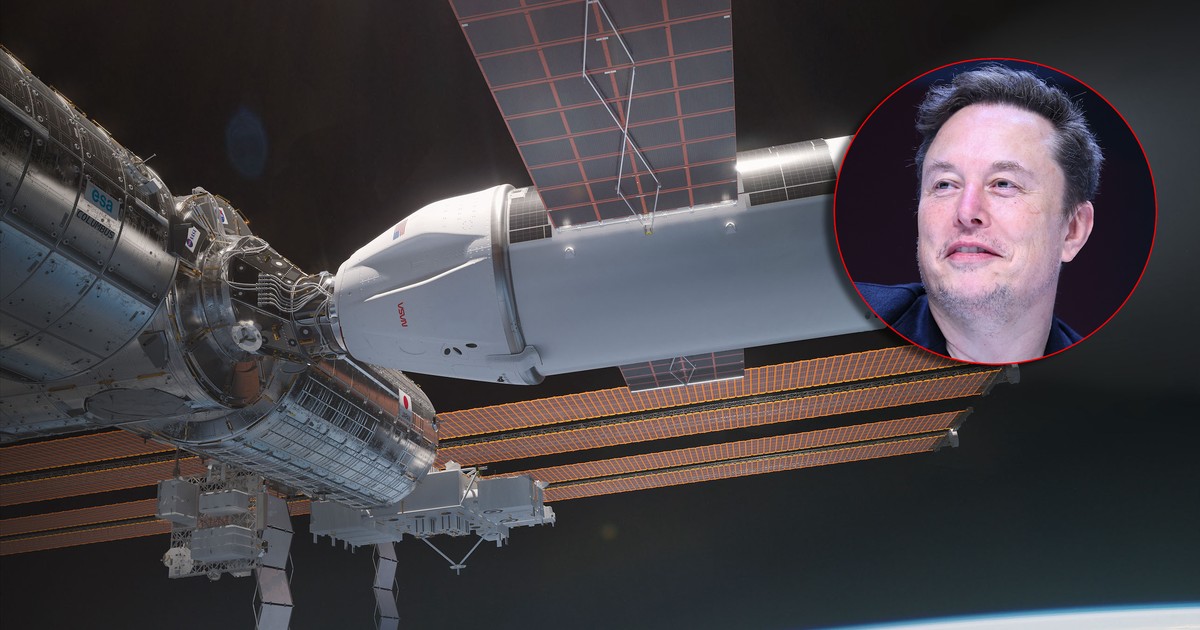
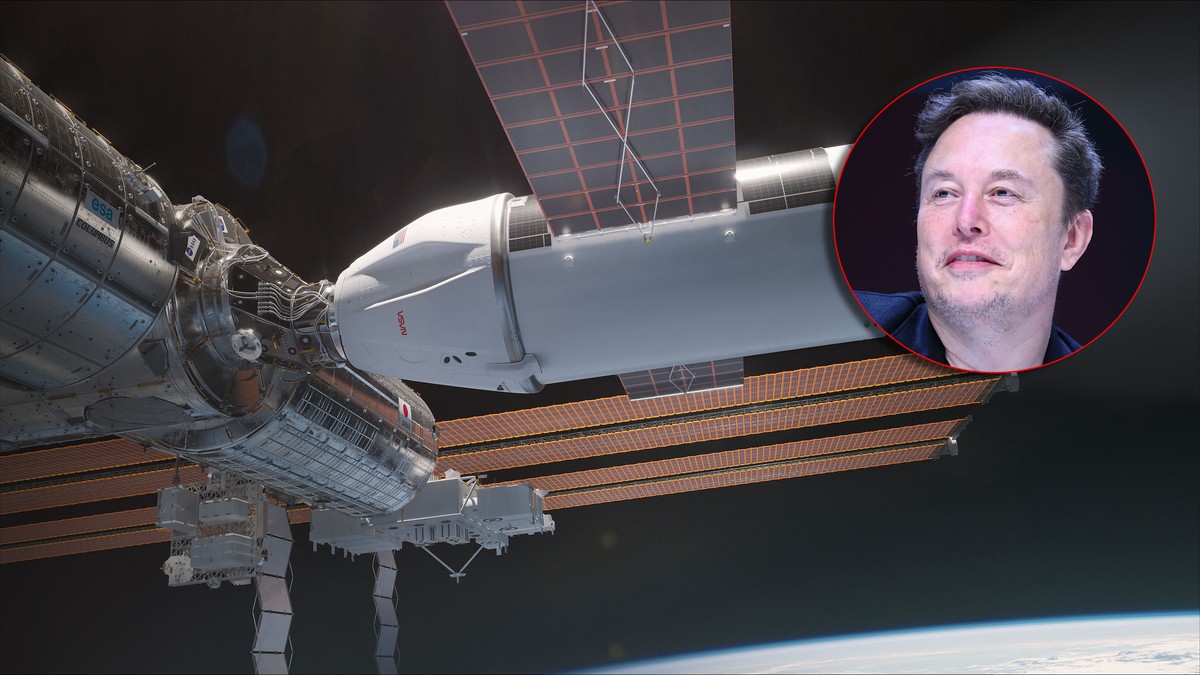
SpaceX, owned by Elon Musk (the world's richest man), is seeking to launch a million satellites into Earth orbit to enhance the development of artificial intelligence, the BBC reported.
The application to the US Federal Communications Commission (FCC) says that “orbital data centers” are the cheapest and most effective way to meet the growing demand for artificial intelligence computing power.
In their traditional form, data centers are large halls with enormously powerful computers that process and store data. According to SpaceX, data processing needs already exceed “terrestrial capabilities” due to the increasing use of artificial intelligence.
See also: Passive revolution. The president of Beta TFI about new funds and records on the WSE
If SpaceX's application is approved, it would greatly increase the number of its satellites in orbit. The existing network of Starlink satellites amounts to nearly 10,000. The new satellites, like Starlink's, would be placed in low Earth orbit at an altitude of 500-2000 km.
According to SpaceX, “orbital data centers” would provide a greener alternative to traditional ones, which require huge amounts of energy and water for cooling.
There are reservations about Elon Musk's plan
Musk denies accusations that the large number of satellites in orbit creates space congestion. “These satellites will be so far apart that it would be difficult to see one from the other. The vastness of space is beyond imagination,” Musk wrote on X.
One expert told the BBC that launching computer equipment into orbit is a costly endeavor, can require complex infrastructure to protect, cool and power it, and could be threatened by growing amounts of space debris.
Another expert warned that the increasing number of equipment in low orbit increases the risk of collision, which could damage the machine and knock parts of it to Earth.
Astronomers, however, complained in 2024 that the radio waves of the Starlink network were “blinding” their telescopes and making research difficult.