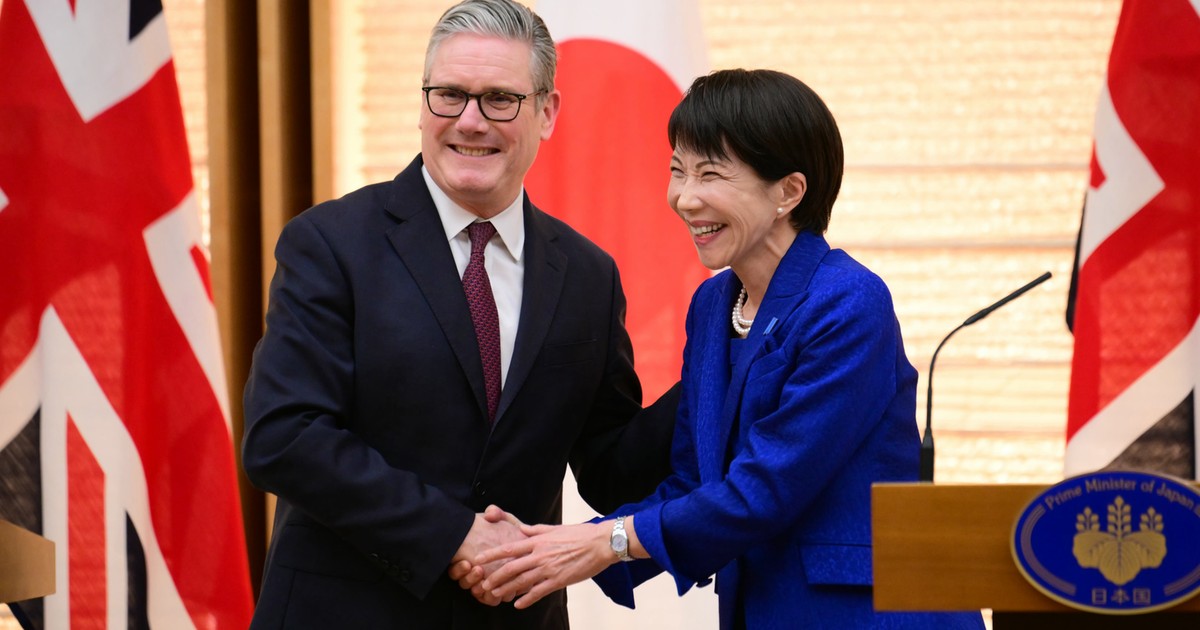
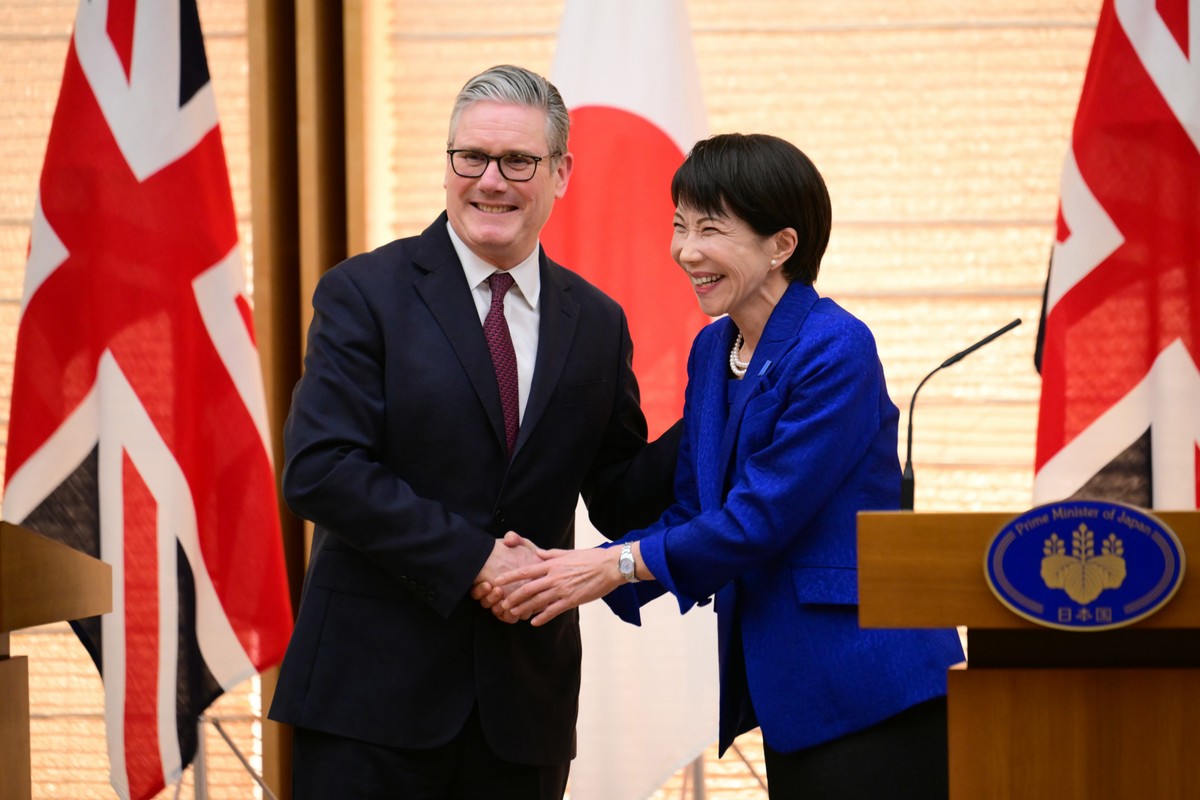
The agreement between the two countries was reached on Saturday in Tokyo. Japanese and British Prime Ministers Sanae Takaichi and Keir Starmer have agreed on the urgent need to cooperate on critical minerals supply chains. The leaders also announced closer cooperation in cybersecurity and defense.
– We will take Japanese-British cooperation to a new level – announced Sanae Takaichi at a joint press conference, quoted by PAP. In turn, the British Prime Minister emphasized that the response of both countries to contemporary challenges must be based on “strength and clarity, deepening our resilience and alliances.” Starmer said the key aim was to maintain free trade, which would allow companies to thrive in a “turbulent world”.
See also: A new opening between China and Great Britain? The first such situation in 8 years
Japan and Britain want trade stability
Both parties to the agreement emphasized the importance of maintaining a “free and open Indo-Pacific”, which is to ensure trade stability in the region. The agreement is a response to the growing position of China, which dominates the market of rare earth metals, crucial for modern technologies, and is accused of using “economic coercion”, i.e. using its trade advantage to exert political pressure on other countries.
Further talks on cooperation between Japan and Great Britain are to be held this year in the “two plus two” formula – with the participation of the ministers of foreign affairs and defense. It was also agreed to establish a new consultative body for cooperation in space and cybersecurity.
See also: Trump furious over UK's reset of relations with China. London talks about a “historic” breakthrough. “There's no point in burying your head in the sand”
Keir Starmer's visit to Japan came just after his several-day stay in China. London's rapprochement with Beijing was criticized by US President Donald Trump, calling it “very dangerous.” Still, Tokyo and London, while remaining close allies of Washington, are seeking to secure supply chains in the face of Trump's tariff threats and “economic coercion” from China.