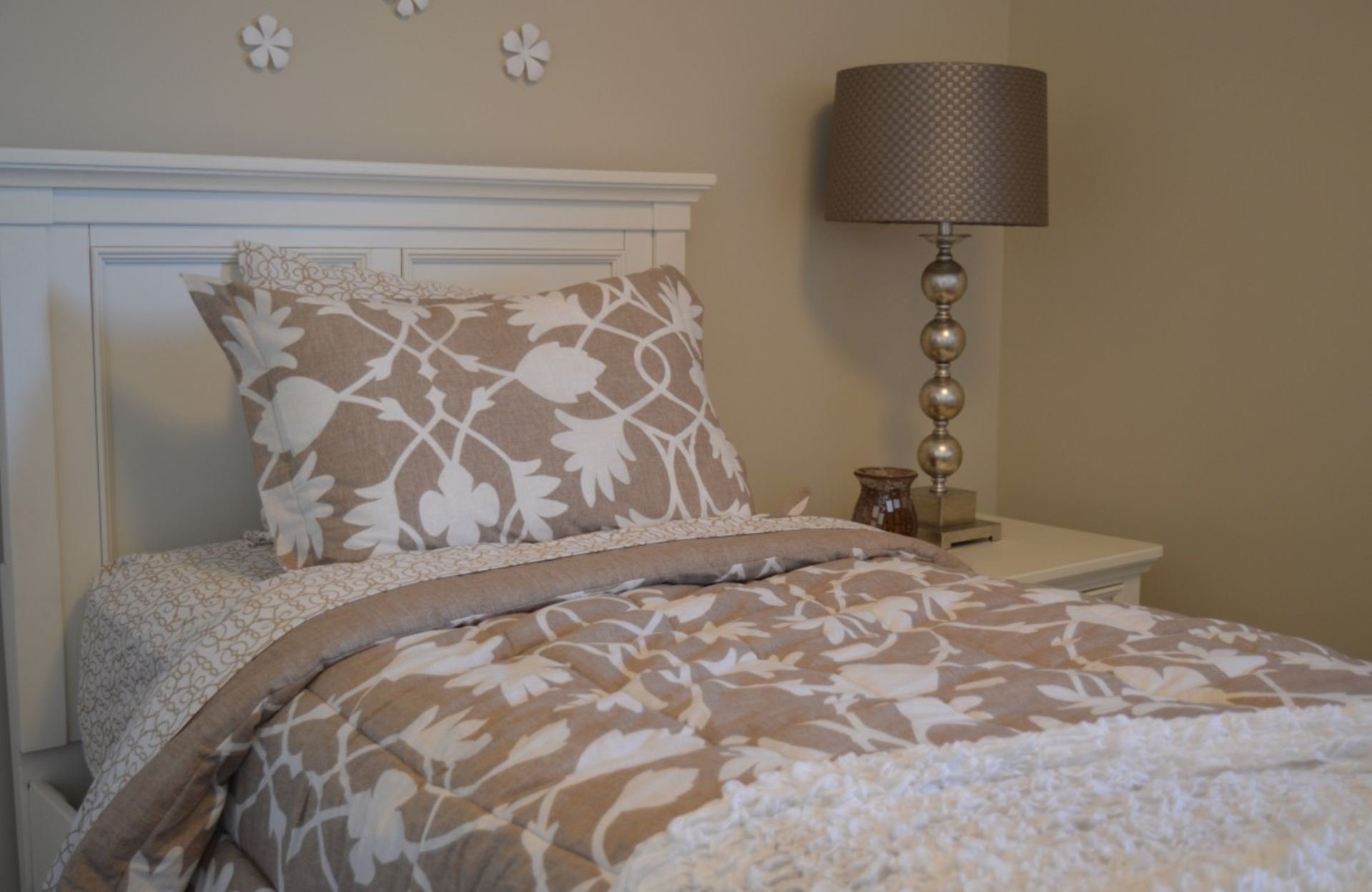
A perfectly stretched bedspread in the morning has long been considered a sign of order. However, doctors and sleep hygiene specialists are increasingly warning that this habit can be harmful to health.
During sleep, the human body loses moisture – on average up to 0.5 liters per night. Some of this moisture is absorbed by the bedding, mattress and pillows. By covering the bed immediately upon waking, we “seal in” this moisture along with body heat, creating a humid and warm environment.
These are the ideal conditions for dust mites to breed. These microscopic inhabitants of house dust feed on dead skin cells and actively reproduce in humid environments, and are considered the main triggers of allergies and respiratory problems. Their concentration can increase significantly in a few hours in a made bed.
Why are dust mites dangerous?
The main danger is not the mites themselves, but their metabolic products – strong allergens. When inhaled, they cause irritation of the mucous membranes of the respiratory tract, allergic rhinitis, coughing, sneezing, exacerbation of symptoms of asthma and atopic dermatitis, as well as deterioration in the quality of sleep due to difficulty breathing and discomfort.
Let the bed breathe
Doctors recommend not making your bed right away. Simply pull back the blanket and pull back the sheets to reveal the mattress and bedding.
This procedure helps reduce humidity. Moisture from the body and breath naturally evaporates, and after 30-60 minutes the microclimate becomes less favorable for ticks.
Open linen and the mattress are ventilated, and the mustiness goes away. Research confirms that a ventilated, unmade bed has significantly lower levels of dust mite allergens.
Key rules of sleep hygiene
Not making your bed immediately is only one step. Experts complement it with other important habits.
- Ventilate your bedroom regularly in the morning to reduce overall humidity and freshen the air.
- Wash bed linen at high temperature (not lower than 60°C) at least once every 1-2 weeks. This kills mites and removes allergens.
- Ventilate pillows and blankets in the fresh air or on the balcony.
- Use mattress and pillow protectors that are impermeable to allergens.
- Wet cleaning and a vacuum cleaner with a HEPA filter will help reduce the concentration of dust and allergens in the room.
It is especially important to follow these tips for people suffering from allergies, asthma or atopic dermatitis.
We are not talking about completely abandoning the made bed. Just postpone this ritual for 30-60 minutes after waking up while you do your morning chores and air the room.
This simple adjustment is a modern, science-backed approach to creating a healthy sleep environment. Quality sleep starts with a clean, dry bed.
Important: This information is not a substitute for consulting a doctor. The body's response to changes in diet/training may depend on individual physiology, genetic predisposition and health status. It is recommended to consult a specialist.