Restless Allies and Fox News: The moment Trump realized the situation in Minneapolis was getting out of hand

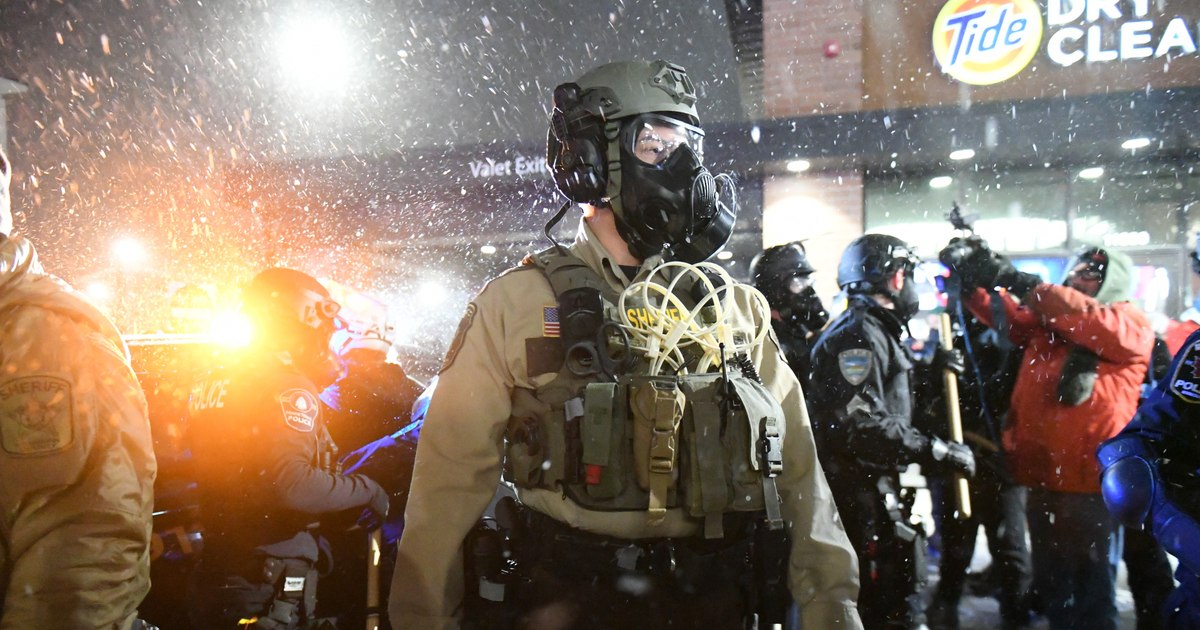
President Donald Trump is known for the way he navigates political crises: he raises his voice, attacks and refuses to back down. The events in Minneapolis, however, tested the limits of this strategy, writes The New York Times.
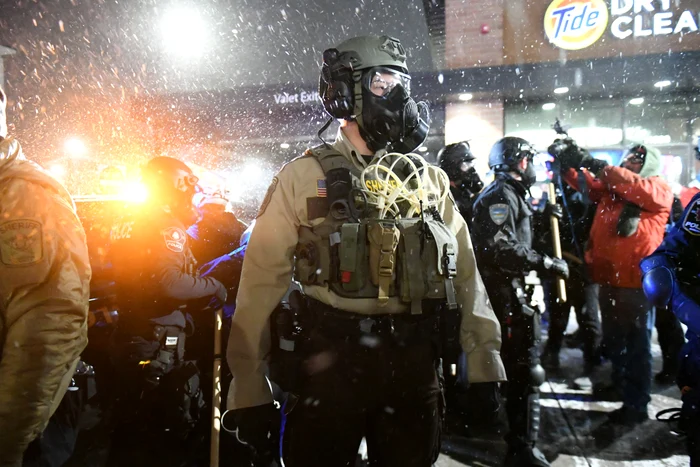
Protests against ICE agents, in Minneapolis/PHOTO: EPA/EFE
The crisis is not abating. The administration's official version of the death of Alex Pretti, a U.S. citizen with no criminal record who was shot by federal immigration agents on Saturday, was beginning to unravel.
Stephen Miller, the architect of Trump's tough immigration policies, publicly labeled Pretti a “terrorist” and called on other administration officials, including Homeland Security Secretary Kristi Noem, to call him a “murderer.”
However, later video footage contradicted this narrative. Pretti was immobilized on the ground when the agents opened fire. Amid these revelations, protests spread and public outrage grew rapidly.
The restlessness reached even among the president's allies. Several of them called for immediate changes and delivered a clear recommendation directly to Trump in phone calls: send Tom Homan, the White House border coordinator, to Minneapolis.
The message was amplified Monday morning by Brian Kilmeade, co-host of the Fox & Friends show, which is constantly watched by the president. Kilmeade repeated the call three times within two hours. Just 20 minutes after the last intervention, Trump announced on social media that he was sending Homan to Minneapolis — a tacit signal that the situation had become a major political risk for his second term.
Gregory Bovino, a Border Patrol official known for his aggressive tactics and who was coordinating the operation on the ground, was withdrawn. “Bovino is good, but he's the type of guy who goes too far,” Trump later said on Fox News. “Maybe it wasn't the best choice here.”
But there is no indication that the president is abandoning substantive policies or condemning the federal tactics used in Minnesota. Rather, the moment appears to have represented a rare attempt to limit the image damage caused by an operation that his administration had until then presented as a success.
When the media cycle can no longer be ignored
Over the years, Trump has perfected a media survival strategy: He creates new controversies to quickly overcome previous crises. But, in situations of extreme public pressure, he especially sometimes adjusted his speech temporarily.
The Pretti case was one of these moments. After the announcement of Homan's referral, Trump and his spokeswoman, Karoline Leavitt, moderated their tone and distanced themselves from inflammatory statements previously made by Miller, Bovino and Noem. The president also announced that he had spoken with Minnesota Governor Tim Walz, whom he had harshly criticized just days before.
It remains unclear whether this shift in rhetoric will reduce tensions or whether the administration is willing to actually change tactics on the ground. Tom Homan is seen by some Trump allies as a figure capable of bringing order, advocating targeted arrests instead of large-scale raids. Still, he remains a staunch supporter of the mass deportation campaign and was one of the officials who, in 2018, recommended the policy that led to the separation of families at the southern border.
On Monday afternoon, Trump and Homan met in the Oval Office. The meeting, initially scheduled for general discussions on immigration, became the starting point of the new mission.
“President Trump asked Tom Homan to fly to Minnesota because he's the right man for the situation”said Karoline Leavitt. “Within hours, he was already on the plane.”
Television, the deciding factor
In the days following Pretti's shooting, Trump was not happy with what he was seeing on TV.
Isolated at the White House amid a snowstorm, the president expressed his concern over the evolution of the situation. But sources close to him say his displeasure was mostly related to the way events overshadowed his claimed immigration achievements.
“No one understands television better than him”said Sen. Lindsey Graham, who spoke with Trump that weekend. “Many of us told him that his instincts were right, but that a solution had to be found.”
By Sunday evening, Trump had signaled that he would accept an investigation into the incident, although he and his team had initially been quick to determine who was to blame.
Critics reacted skeptically. Democratic Congressman Bennie Thompson described the move as a mere “game of musical chairs” with no real change.
A crisis far from over
Despite the speech adjustment, the federal operation continued. On Monday, agents detained about 100 undocumented immigrants in Minneapolis — well above the daily average before the crackdown.
Although Trump spoke of “detente,” he continued to suggest that Alex Pretti was responsible for his own death.
“You can't go in with guns,” the president said, referring to Pretti, who legally had a gun permit and was restrained by agents at the time of the shooting. He later described his death as “a very unfortunate incident”.
For the moment, the crisis seems to be managed from a political point of view. But questions about the accountability, tactics and direction of federal immigration policy remain open, the NYT points out.