Weather threatens extra-early tomatoes expected in April; the seedling becomes a luxury product and prices could rise sharply

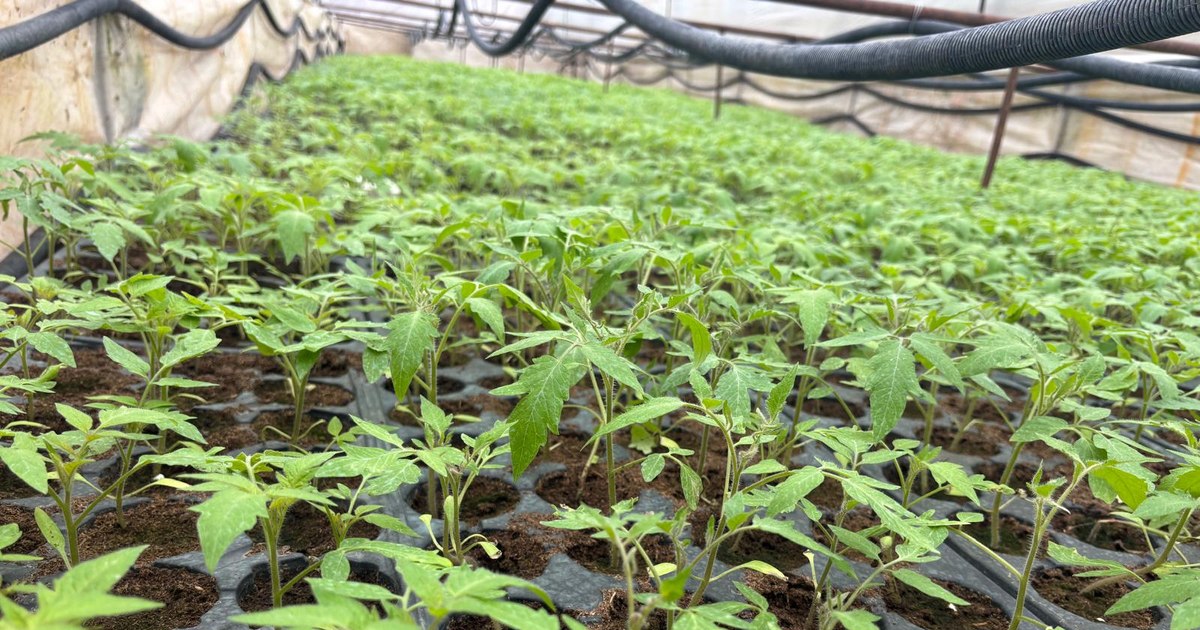
Farmers who have ventured to establish the extra-early tomato crop, with the aim of starting the harvest in April, are facing big problems. Expenses have exploded, and they are also making losses.
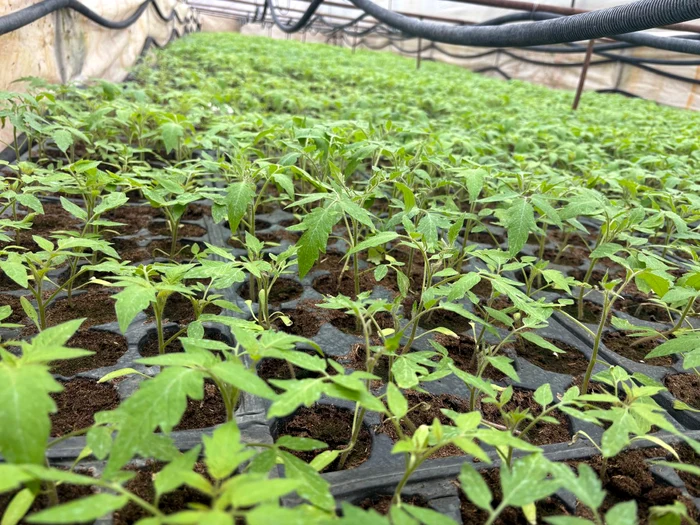
Vegetable growers have a hard time finding tomato seedlings for extra-early crops PHOTO: Florin Delcea
Vegetable growers who have been preparing since October 2025 to put this year's first tomatoes on their customers' tables are facing an unexpected problem. They managed to cope with the frosty nights with the heating systems, even if at huge cost, but because of the humidity they have big problems with the planting material.
In the town of Giuvărăști in Olt county, the fourth town as a protected area cultivated with vegetables at the county level, the solariums stretching over more than 100 hectares, there are two farmers who have already planted tomatoes, one of them at the end of December, the other in the first week of January. The plan is that in the first decade of April the first tomatoes will leave Giuvărăști for the wholesale markets.
“These frosty nights, of minus 15 – minus 16 degrees, should not have been a surprise for farmers. They weren't even for those who planted, there are three other people who planted the other day and I talked to them personally. They've invested in technology, in very large, solid fuel thermal power plants for now, not talking about heat pumps or anything, and they've been doing pretty well. It's just that losses exist, they only provide part of what a plant needs to grow. It provides heat and minerals from the soil, (…) but the most important component is sunlight, you know. And they, unfortunately, have no way to make up for it”explained Florin Delcea, the deputy mayor of Giuvărăști.
Delcea is also a vegetable grower, his family exploits, like hundreds of other citizens in the locality, a generous area of solar, so he felt some of the trials directly.
“For next year we will also have to prepare with lamps, at least for the seedling part, because this is where we encounter the biggest problems. We produce our seedling. We plant the seeds in October – they were planted on the 20th – those who want extra-early crops plant between 20-28 October. Replanting is done at the end of November, and planting in the greenhouse at the end of December – beginning of January, only that the lack of light and humidity led to very high losses of the seedlings. I too face this loss. I lost 50% of the seedlings. We produce for ourselves, we do not sell. We take certified seed and produce. And unfortunately I think that I lost 50% of the seedling before planting”, Delcea said.
Seedling losses put them in a position to purchase from the market, because although each producer takes a margin of safety, the needs are far beyond. In the case of the Delcea family, it will be necessary to buy another 6,000-7,000 plants. They have planted 2,000 square meters and are looking to purchase seedlings for another 1,500 square meters. It is not the expense itself that is the problem, but the fact that the seedling has become an extremely difficult commodity to find.
Other producers are in the same situation, and those who have been more fortunate can only sell after first planting and making sure they have everything they need for their own crop.
The cost of the certified seed, for tomatoes and peppers (the Delcea family plans to plant peppers on 2,200 square meters), amounted to approximately 20,000 lei, Florin Delcea explained, so there are some losses. Of what they have already planted, about 10% must be replaced, the plants are not in a very good condition.
How much tomatoes could cost to the end consumer
To provide heat, for 2,000 square meters the cost is 600-700 lei/24 hours. With such costs, farmers calculate that at a price lower than 30-35 lei/kg, they will not be able to cover their expenses and make some profit for half a year's work.
“To cover our expenses and make a small profit, somewhere around 35 lei would be a fair price. But I don't know how much they will reach the consumer's table, because we don't sell directly to them, we sell in wholesale markets. I think it could reach 50 lei/kg”, Delcea also said.
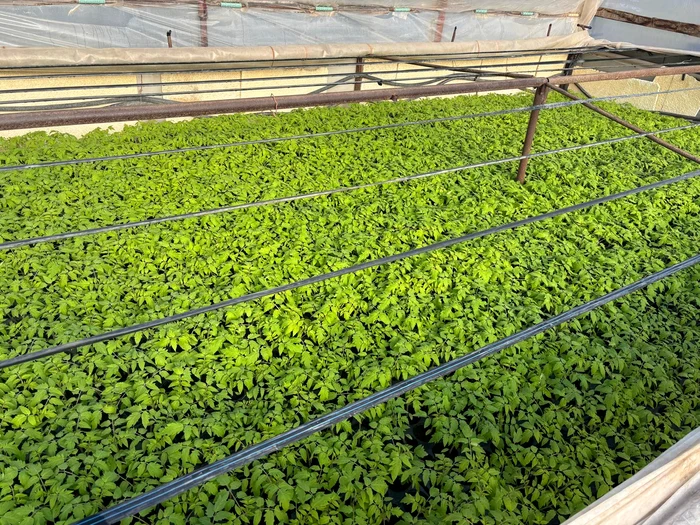
The work to produce the first tomatoes starts in October PHOTO: Florin Delcea
Despite all the shortcomings, from one year to the next the number of vegetable producers increases, many of them young, who strive to establish the crop as early as possible and bring the first tomatoes to the market in April. Then it is the best price, there are few brave people who do this, and the demand, even if at first glance the price of “trufandales” seems high, there is from the middlemen.
And if the first tomatoes from Olten usually reach the market in Pucheni, from where traders sell them on to vendors in the markets, as more and more people manage to harvest, some go and sell, from the beginning of May, also directly in the markets of the big cities, especially in the west of the country – Mediaș, Sibiu, Târgu-Mureș -, where the vegetables from Olten are in great demand.
In the peak of the season, the production, on the other hand, goes to the big chain stores. There are also three warehouses in the town, but the production is so high that only a fifth of what the vegetable growers in Giuvărăști and three other neighboring towns harvest can be taken over by these warehouses, said Delcea.