The fate of the Prime Minister hung in the balance. He survived the vote and saved the budget

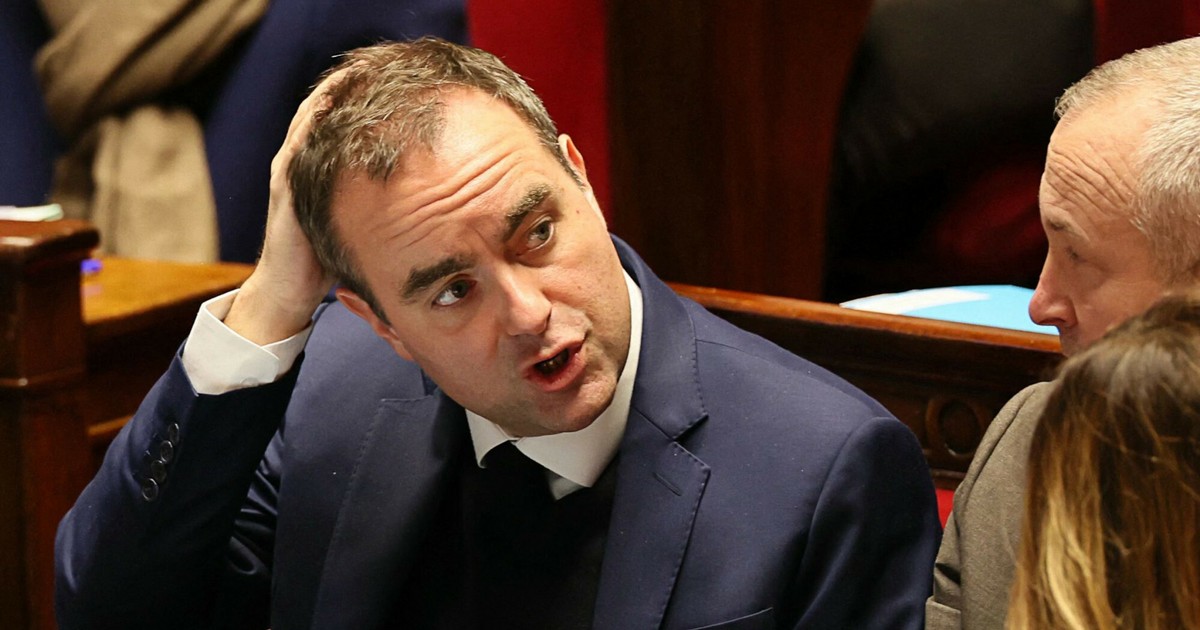
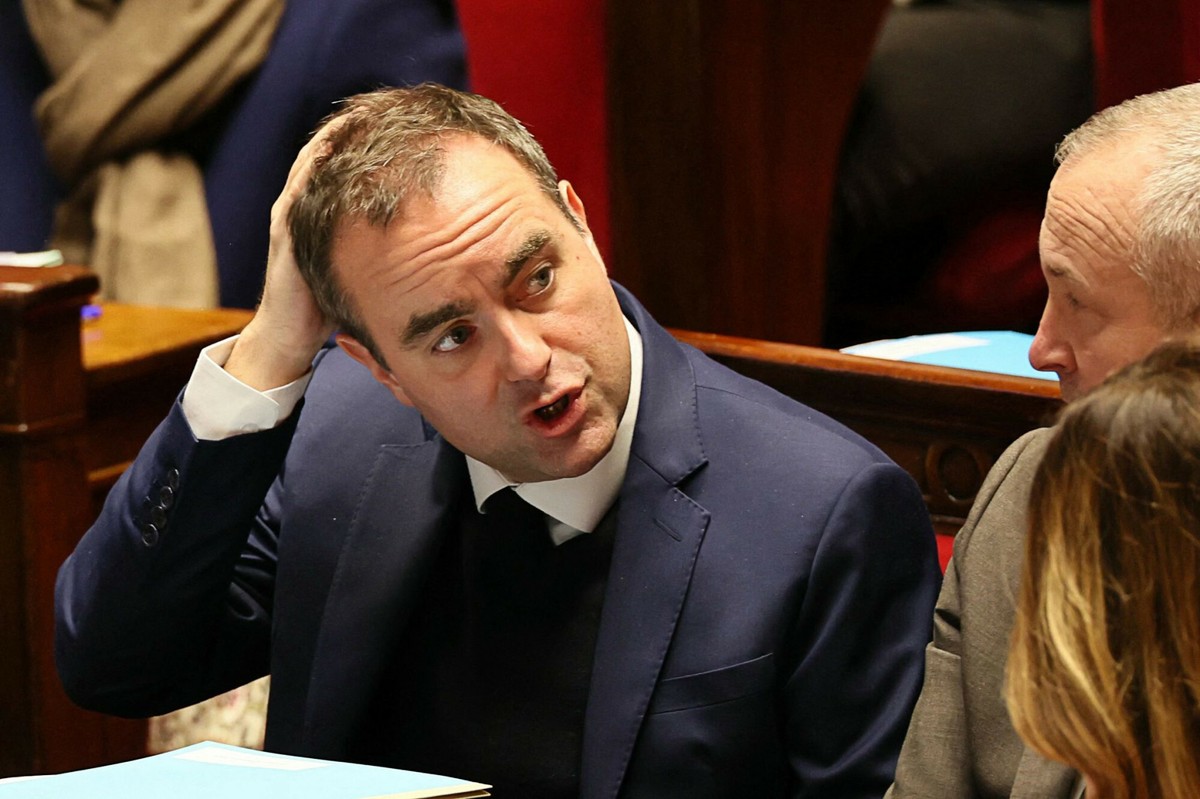
A no-confidence motion tabled by far-left members of the National Assembly received 267 votes, falling short of the 289 votes required to reject the spending chapter of the budget bill and force the prime minister to resign. A separate motion from a far-right group also failed, receiving only 140 votes.
The results resemble the results of last week's vote of no confidence in the prime minister's tax plans. The repeated failures of attempts to overturn Lecorn clear the way for France to pass its budget next month, when the bill returns from the Senate for final reading in the National Assembly.
The growing clarity on public finances ends months of upheaval during which France teetered on the brink of government collapse and elections as lawmakers in a divided National Assembly opposed austerity plans.
The government aims to reduce the deficit to 5%. GDP in 2026 Lecornu ultimately managed to gain enough support to survive the no-confidence vote by offering concessions to the center-left socialists, including suspending pension reform and maintaining taxes on France's largest companies.
After the compromises, the government now expects a deficit of 5%. GDP this year, while it initially assumed a deficit of 4.7%. The governor of the Bank of France, Francois Villeroy de Galhau, warned that greater efforts would be better to plug holes in the budget.
However, investors ignored concerns about rising debt and in recent days, as the political situation stabilized, they bought French bonds, which lowered financing costs compared to European counterparts. The yield premium on 10-year debt over safer German bonds fell to 56 basis points – the lowest level since June 2024, when President Emmanuel Macron called general elections.
Source: Bloomberg