How long does it take to see results from Pilates workouts? The benefits start to show sooner than you think


Pilates works the abdominal area, back and improves body stability through slow, precise exercises coordinated with breathing. Developed at the beginning of the 20th century by Joseph Pilates, the system combines elements from gymnastics, ballet and yoga. Today it is used both in medical rehabilitation and in regular fitness training.
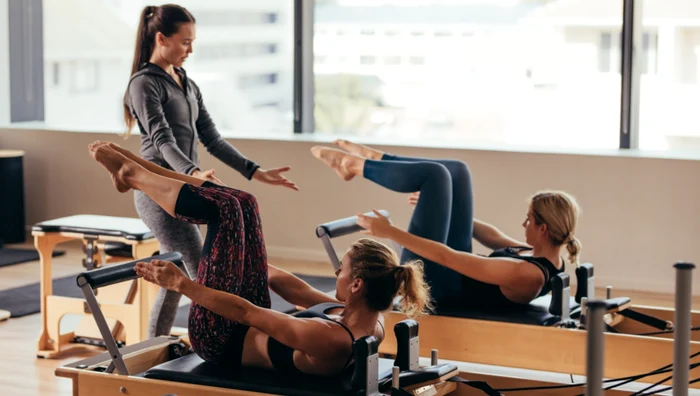
Photo credit: Shutterstock
Nike trainer Tara Bethune calls it the “foundation” of all the other exercises she does. “Pilates forces you to be more aware of how you use your body. This alone makes you much more connected to your own movements”she says, according to Women's Health.
The good news is that when you practice Pilates, results appear faster than most beginners think. And, according to two instructors consulted by the American publication cited above, the changes are seen both physically – from posture to muscle tone – and in the body's overall health. We're talking weeks, not months.
Consistency makes the difference
Training frequency matters a lot. To get started, two sessions a week are enough to build a solid foundation, explains Laura Quinn, head Pilates trainer at Alo in Los Angeles. Afterwards you can increase to four workouts per week, with adequate breaks for recovery.
“Rest is as important as training” Quinn points out. If you are just starting out, the first changes appear quite quickly. “At first it's small things: you sit straighter, you feel your abdomen active in a new way”she says. Over time, increased flexibility and slight muscle definition appear.
Those who have never played sports before can notice faster results at first, but already active people can also benefit from such training. “Pilates works the small stabilizing muscles that many other types of training ignore.”
How changes occur
According to Women's Health, the evolution is seen progressively if Pilates is practiced consistently.
In the first two weeks improvements in body flexibility, balance, and coordination occur, says Tara Bethune. A study published in the Journal of Bodywork and Movement Therapies shows that these advances, along with mobility, become visible by the 6th week.
After three to four weeksand many practitioners feel stronger and notice that they have better posture, explains Laura Quinn. Until eight weeksposture and ability to do daily activities improve significantly. A 2024 analysis published in the Archives of Rehabilitation Research and Clinical Translation of sedentary women confirms this.
Between six and eight weeks visible muscle definition can occur, especially if your diet supports your workouts, says Bethune. Here, a 2025 randomized trial published in Nature shows that women who did Pilates on the reformer for 60 minutes three times a week experienced increases in muscle mass, grip strength, and a better muscle-to-fat ratio.
In the longer term, even just one session a week for three months can reduce anxiety, depression and stress, according to 2025 research published in Healthcare.
Where does Pilates stop and why strength training is also needed
“Pilates has clear benefits, but it has limits if you want to build serious muscle mass. There is a resistance ceiling on the reformer. At some point the muscles can no longer be progressively overworked,” Tara Bethune explained. So muscle development stagnates, even though mobility and movement control continue to increase.
The solution is to combine Pilates with strength training. “Pilates strengthens the abdominal muscles and the muscles that support the joints, which improves movement control. This helps you perform weight-bearing exercises correctly and reduces the risk of injury. In addition, it activates smaller, often neglected muscles and develops strength in a balanced way, which helps reduce stiffness after weight training.” Bethune adds.
What you should know before you start doing Pilates
Pilates isn't just about doing exercises, it's about paying attention to how you use your body. In Pilates, you work with posture, breathing and movement control. This is also visible outside the gym: you stand straighter, you move more consciously, you use your muscles more efficiently.
If you were used to intense cardio or weight training before Pilates, the slower pace here may seem frustrating at first, experts warn. Movements are precise, controlled, require concentration. But it is this approach that builds long-term stability and strength.
The pace of progress differs from person to person. It depends on age, training level, training frequency and nutrition. In general, the first changes are felt in two to three weeks: more mobility, better body control. Visible results appear a little later.
Pilates, depending on the goals
For posture, the results appear among the first. If you spend a lot of time at the office, Pilates helps you directly. It strengthens the abdominal area and teaches you to keep your body aligned. In short, you get to sit straighter, both in your chair and standing, without conscious effort.
For slimming, Pilates alone is not enough. Burns fewer calories than intense cardio, but builds muscle mass and boosts metabolism. Integrated into a program with varied movement and balanced nutrition, it becomes, however, a valuable piece.
For sports performance, the main benefit is strengthening the abdominal and back muscles, essential in running, swimming or tennis. Pilates is frequently used as a complementary workout because it improves movement control and reduces the risk of injury.
Types of Pilates
Pilates on the mat uses your own body weight and can be practiced anywhere: at home or at the gym. This is also the simplest option from a logistical point of view.
Pilates on the reformer is done on a machine with springs, which allow the resistance to be adjusted. Thus, you have more exercise options and you can gradually increase the intensity of the training.
For beginners, both options work very well. The ideal is to choose the type of Pilates you want to practice depending on what you have available and what type of training you like.
How to avoid boredom and stay motivated
Pilates does not involve repeating the same exercises every workout. As you progress, new moves and different levels of difficulty appear.
At the gym, group lessons help a lot, especially for rhythm and discipline, experts say. A good instructor corrects posture and execution, making sure you get the most out of every move. The energy in a classroom full of people working toward similar goals can be motivating.
Alternatively, online classes or training in the comfort of your own home offer flexibility for those with busier schedules. Pilates apps and streaming platforms have also made access to quality workouts much easier.
Long term investment
Pilates is not a quick fix, but a long-term investment in health and well-being. Although you see results in a few weeks, the ongoing benefits accrue over months and years of regular practice. Many practitioners say that Pilates has become essential in their wellness routine.
A major advantage is that it can be adapted for almost any level and any age. From young athletes to seniors who want to maintain their mobility, Pilates offers benefits for everyone.