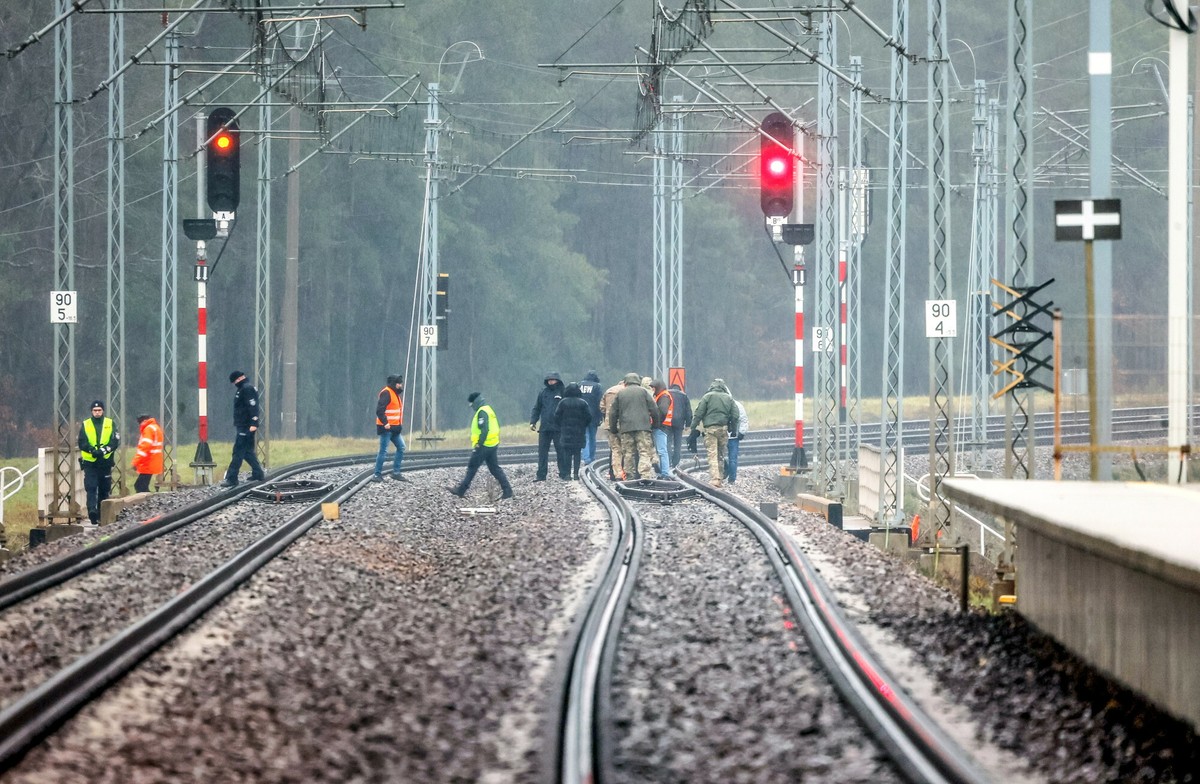
UTK responds to sabotage and acts of sabotage on the tracks. Employees will undergo training


The Office emphasizes that training should become a permanent element of safety management systems in railway companies and be constantly adapted to current threats.
Read also: WOŚP and the state budget. How much of the health care equipment is financed by the foundation?
Their goal is increasing readiness to respond to emergency situations and strengthening the role of employees as the first link in recognizing potential dangers.
UTK wants to train railway employees. Topics range from tracks to drones
The recommended training program covers a wide range of issues. These included, among others: issues related to railway security as a critical state infrastructure, the role of an employee in the security system, identifying terrorist and sabotage threats or detecting the presence of unauthorized persons on railway premises.
UTK also points out the need to pay attention to interference with tracks and infrastructure, unauthorized use of the Radio-Stop signal and threats from the air, including the use of drones.
Read also: Additional days off from work. Who is entitled to them and on what terms?
Railway safety. Procedures and cooperation with services
Preparation to respond to crisis situations is also to be an important element of training. This includes: about principles of immediate action, securing the scene of the incident, protecting information and maintaining proper communications. UTK emphasizes the importance of clearly defined procedures for reporting threats, efficient flow of information and cooperation with the Police, Railway Protection Guard and emergency services.
UTK training at least once a year
The President of UTK recommends that training be organized periodically, no less than once a year, and also after serious incidents or changes in procedures. An important supplement will be practical exercises, simulations and analysis of real events, which will allow employees to better prepare for real threats.