2026-01-24 19:33
publication
2026-01-24 19:33
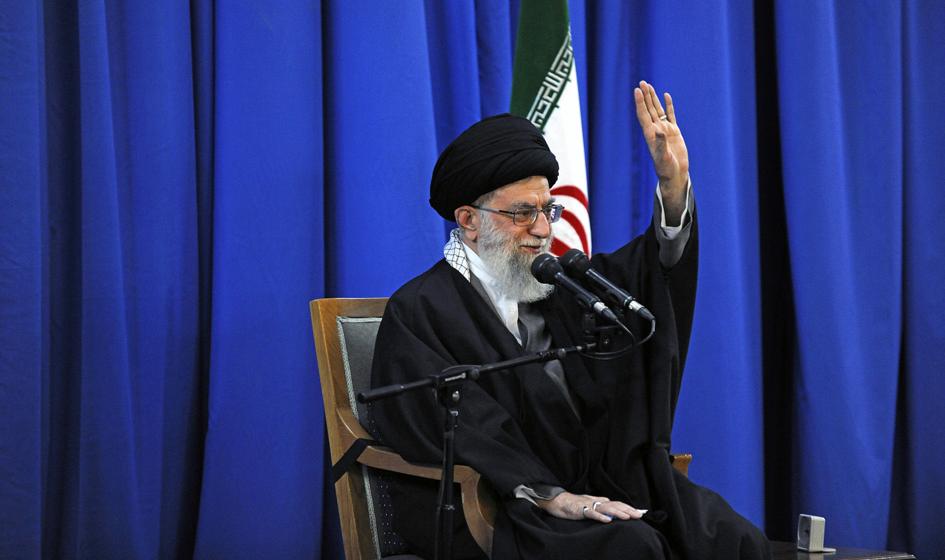
Iran's Supreme Leader Ali Khamenei moved into a specially prepared underground bunker in Tehran after senior army and security officials deemed a potential US attack highly likely, the opposition website Iran International reported, citing two sources close to the government.
Informants described the bunker as a heavily fortified facility connected by numerous tunnels to above-ground buildings important to the exercise of power and the survival of the regime. In the absence of the ayatollah in hiding, his third son, Masoud Khamenei, took over the day-to-day management of his father's office and became the main intermediary between him and the Iranian government.
The Iranian leader's literal descent into the underground proves that Iran's military intelligence considers a potential attack by the United States, which is still gathering more ships, planes, tanks, combat drones and soldiers in the Middle East, as highly probable.
US troop movements around Iran
On Saturday, the most important part of these forces – The Abraham Lincoln carrier strike group, carrying approximately 90 aircraft, was off the Bay of Bengal in the Indian Ocean, heading west toward the Arabian Sea.. The aircraft carrier is accompanied by three Arleigh Burke-class guided missile destroyers capable of carrying Tomahawk missiles and F-35C fighters.
Another 5.7 thousand arrived at American bases in the Middle East on January 18. soldiers and F-15E Strike Eagle fighters – reported the US Central Command (CENTCOM) in an entry on X. “At least 132,000 tons of military equipment is flowing towards the Middle East,” the New York Post commented on the actions of the American armed forces on Friday.
The concentration of United States troops in the Middle East is a response to the Iranian regime's repression against participants of demonstrations that have lasted several weeks. They protest against harsh economic conditions. According to UN human rights experts, up to 20,000 people have died there. protesters. (PAP)
tebe/mal/