Overstimulation, mindless scrolling of phone screens for many hours, popcorn brain, irritability, addiction – such problems resulting from the use of technology are being talked about more and more often. The antidote and remedy for this is a return to analog life. Not only is this trend becoming more and more popular, but many people believe that it is set to be the strongest trend in 2026.
See also: Young people fall in love with old technologies. Gen Z is resurrecting CDs, digital cameras and flip phones
In the era of the expansion of AI and digital assistants, more and more people are looking for a break from screens. Returning to analogue activities is not only a temporary detox, but a deeper need to slow down and take care of your mental health. As CNN notes, the increase in sales of craft kits and the popularity of “grandmother's” hobbies show that this trend is gaining strength.
The text continues below the video
More and more people are turning away from technology and artificial intelligence, seeking authenticity and simplicity. Experts point to the growing importance of live experiences and real relationships with brands.
Instead of a digital world, analog life. This is the trend for 2026
As Forbes notes, the paradox of the latest trend for 2026 is the fact that the popularity of this movement began in social media. This is quite ironic, because this is a movement that wants people to use less technology – 2026 has been officially recognized as the year of analog living.
Already in 2025, a growing number of people from Generation Z who fell in love with old technologies were noticed.
The text continues below the video
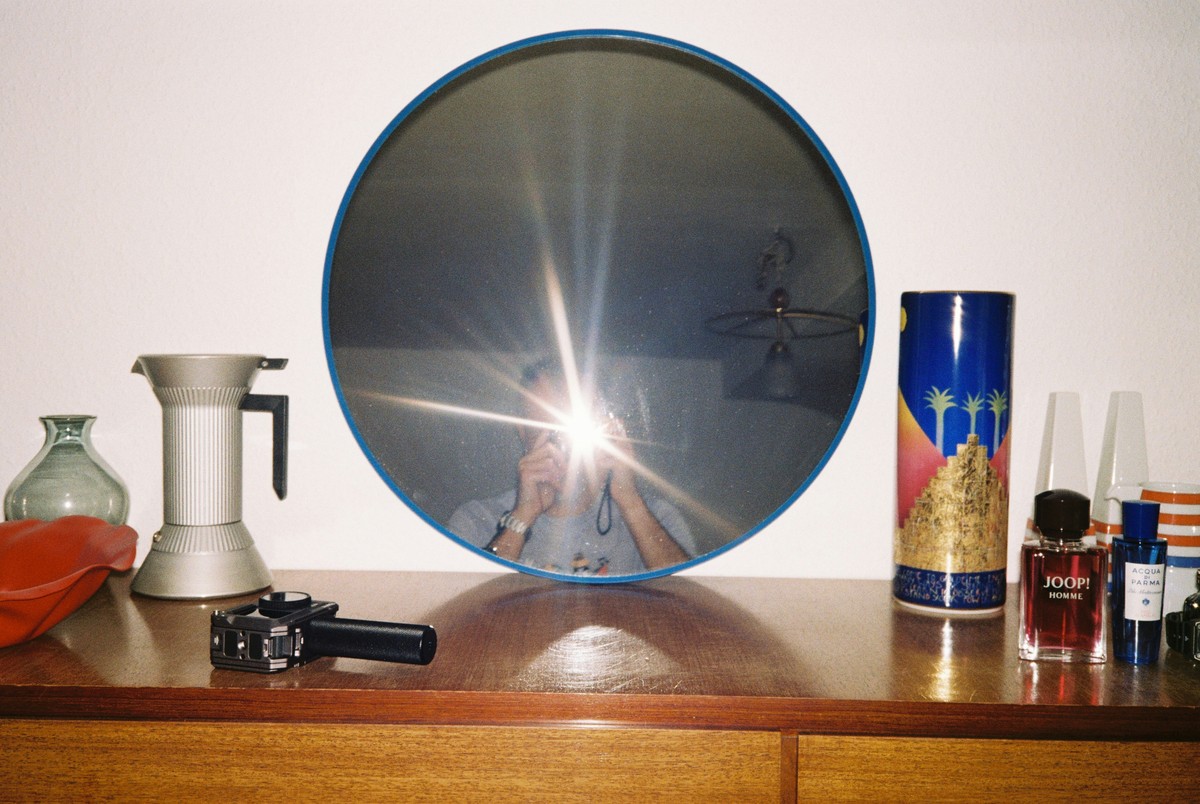
More and more teenagers and twenty-somethings are looking for distraction in pre-smartphone devices. In recent months, this has been visible, for example, in music stores and on social media – flip phones, CDs and compact digital cameras are making a comeback.
It's not just fashion. It is also a gesture of opposition to ubiquitous notifications, algorithms and the subscription economy, which has taken away the feeling of owning anything.
The year 2026 has been officially recognized as the year of analog living
From the rise of single-use technologies to the return to physical media, people are fighting the looming dominance of AI technologies, deliberately addictive social media algorithms, and efficiencies that replace craftsmanship through the analog movement.
As Forbes explains, phone-addicted students hope to break this cycle through a group “technology fast.”
People giving up screen time are turning to more traditional, tactile and time-consuming hobbies – these are just a few examples of how this trend has inspired people to lead simple, independent and nostalgic lives.
See also: Origami from the phone. Folding smartphones are gaining millions of customers, and the iPhone is starting to be associated with boredom
Michael's recorded a 136% increase. searches for “analog hobbies” increased, and sales of craft kits increased by 86%. The biggest boom concerns knitting – here the increase reached as much as 1,200%. More and more people treat handicrafts as a way to relax and disconnect from the Internet, especially after the pandemic.
The fashion world, which quickly implemented AI in campaigns and advertising, was met with resistance from customers. Consumers criticize artificially generated models and messages that do not reflect the brand's identity. More and more people expect honesty and authenticity from brands, rather than following every technological innovation.
A new group of consumers – the so-called “gleamers” – values small pleasures, community support and authentic experiences. Brands should therefore focus on social activities and events that build bonds with recipients.