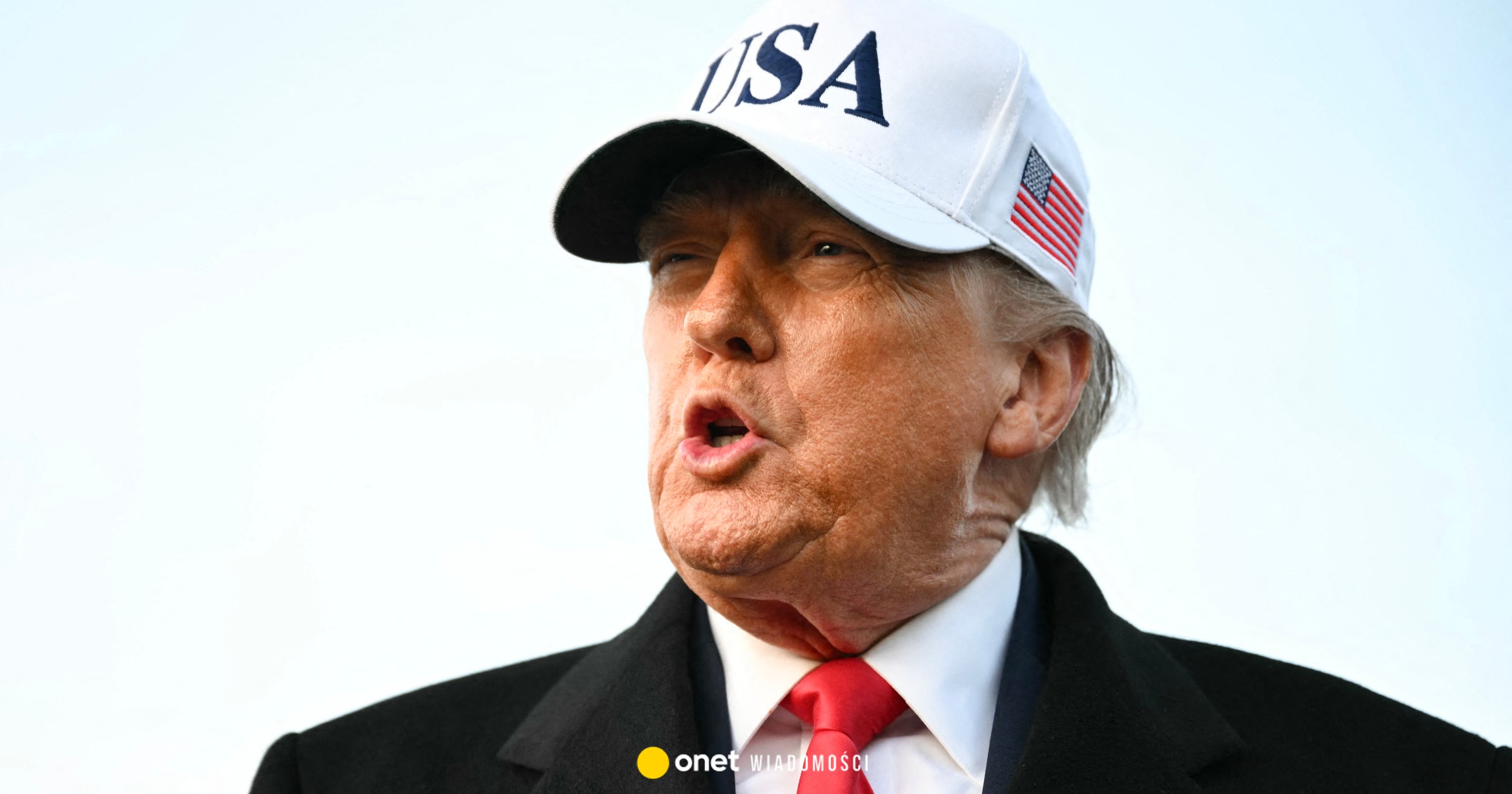
“What?” Trump's Greenland gambit has stunned Washington

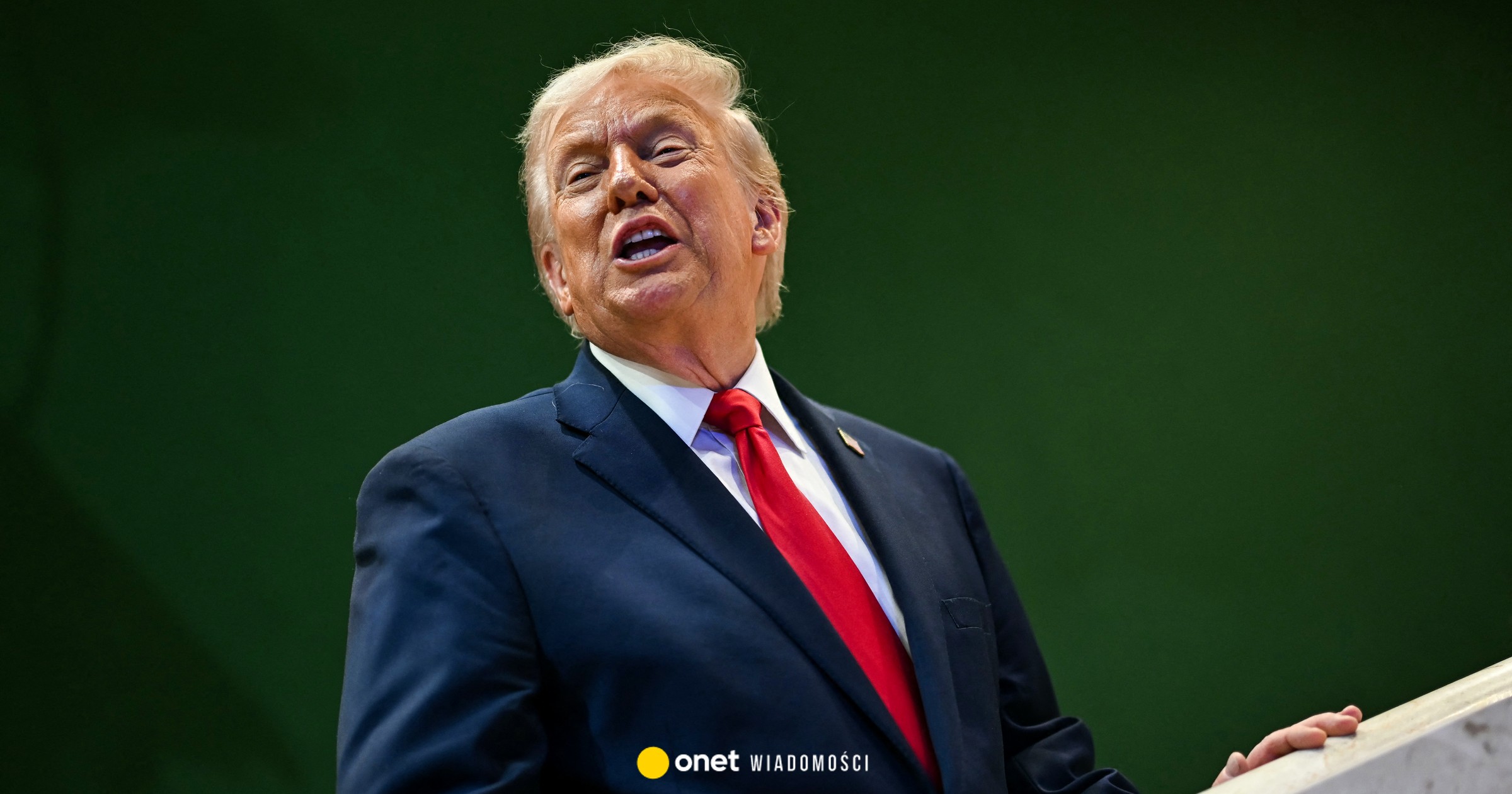
More than any other global issue I've ever dealt with, Trump's obsession with Greenland has changed paradigms (accepted ways of thinking) and is mind-blowing. I mean great minds: diplomats, foreign policy analysts, economic specialists. People from the left of the political scene and a large part of the right.
Even diplomats outside Europe are shocked.
— It was something like: “What?” says an African official in Washington.
— It was shocking how serious the threat was and how determined he was [na przejęcie Grenlandii od Danii]. And this is not the end, he adds.
Suzanne Maloney, a Middle East analyst who directs the Brookings Institution's foreign policy program, describes feeling “like the world had gone crazy.” “The language and resolve on this particular issue just seem disconnected from our national interests,” he says.
Until recently, many foreign policy experts wondered whether the “rules-based international order” had ceased to exist after World War II. After Trump's Greenland move, I hear more and more that it (world order) is dead. Canadian leader Mark Carney said as much at the World Economic Forum in Davos.
This means foreign policy consultants are having to rethink the advice they give to clients, and think tank members are revising their travel and study plans. Maloney says she had to present her department's research priorities for the upcoming fiscal year to her superiors this week, but warned them that the list could change by next week.
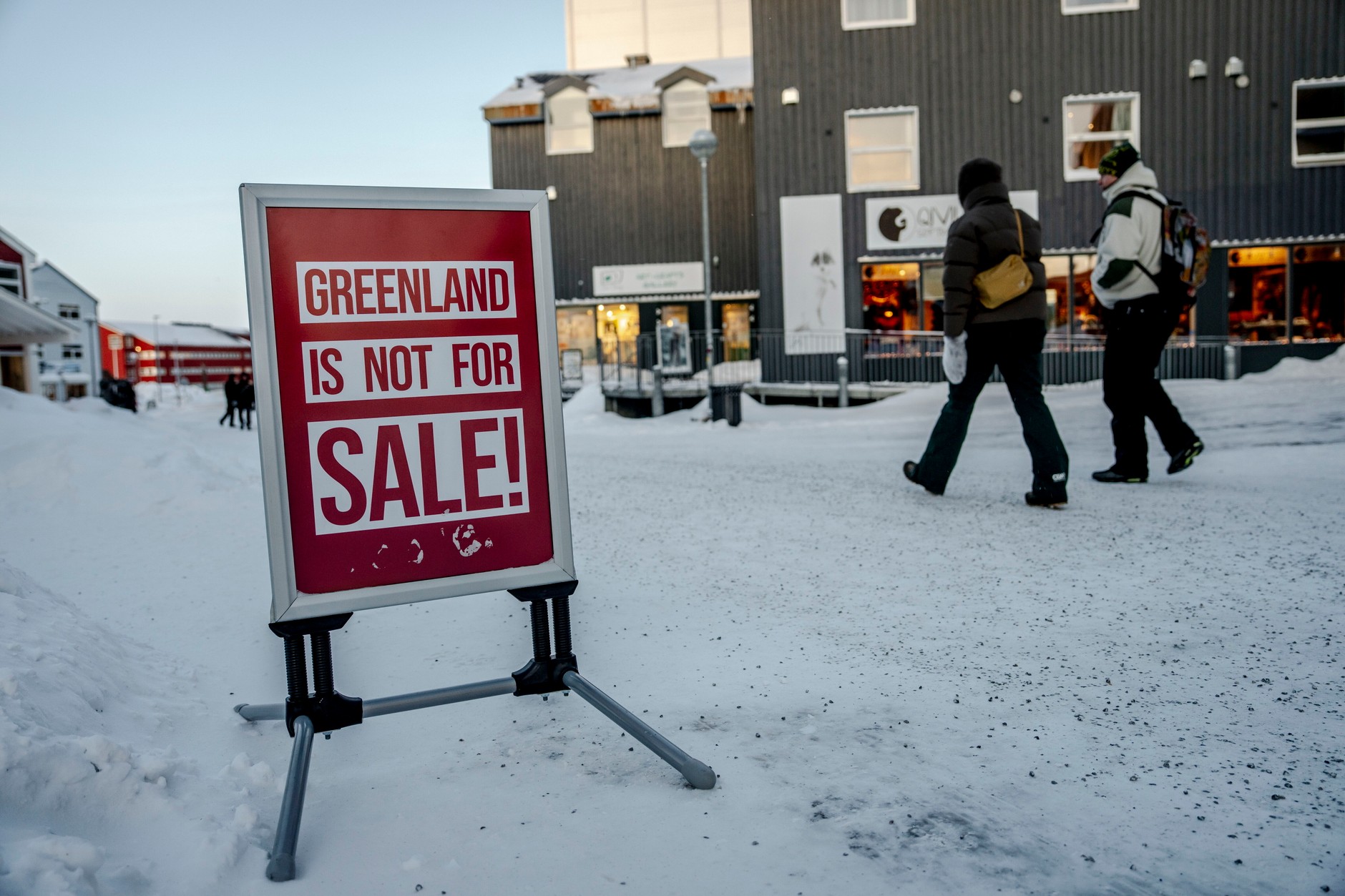
A sign that says “Greenland is not for sale!” on a street in Nuuk, Greenland, January 20, 2026.PAP/EPA/MADS CLAUS RASMUSSEN / PAP
European diplomats say the Greenland crisis has created a new reality as it has become clear that even allies are not safe from Trump's machinations.
“It causes a certain kind of fear in the European Union,” one European diplomat tells me anonymously. — It's not just about expanding our imagination, but about realizing that these are new times and traditional ways of doing things – rules, laws – don't necessarily apply. Everything is now subject to negotiation.
This happened even though Trump softened his rhetoric on Wednesday. He first said he would not use military force to take over Greenland, and later announced he would withdraw the threat of tariffs once a “framework” agreement on the territory was reached. Few details were immediately available.
But Trump, who has wanted to take over Greenland since his first term, changes his mind so often that Europeans — or any other global player — would be foolish to trust that the issue has been resolved. He has a habit of withdrawing from agreements, including those concluded by his administration. He also has three years left until the end of his term.
Trump's critics interviewed for this article are not ready to relax, even though the US president has softened his tone.
“His ultimate goal is to expand the map of the United States,” says Eric Green, a former senior National Security Council official who handled Russia and Central Asia in the Biden administration. “He'll come back to this topic sooner or later,” he warns.
Trump's desires for Greenland have disrupted the plans of many foreign affairs practitioners to an extent that is unusual even for a president who delights in challenging conventional wisdom.
The whole Greenland scandal is particularly difficult for those teaching international relations, many of whom have to constantly rework their curricula. These scientists are trained to use neutral language to explain the actions of political players. The goal is to help students learn methods of understanding the world.
“But there comes a point where you just want to say this is a damn stupid idea,” says Daniel Drezner, dean of the Fletcher School at Tufts University.
Trump's pursuit of Greenland also involved a personal interest that went beyond the “America First” justification he used to explain other actions. He said he was seeking to take over Greenland partly because he was dissatisfied with not receiving the Nobel Peace Prize.
Trump's foreign policy actions tend to have a certain logic. You don't have to agree with it, but you can notice it.
He bombed Iran's nuclear facilities because it was a rare opportunity to delay a program that could threaten the United States. He kidnapped Venezuelan leader Nicolas Maduro because he wants access to Venezuelan oil and can argue that Maduro is a drug trafficker whose regime is undermining the United States. He has imposed tariffs on virtually all other countries because he believes that over time it will help the United States become more economically self-sufficient.
By intimidating Denmark into handing over or selling Greenland, Trump and his advisers claim they have the U.S. national interest in mind. The island has a strategic location and many useful natural resources.
Alex Gray, who served in a senior role on the National Security Council during Trump's first term, says one long-term concern is that the people of Greenland will eventually seek full independence from Denmark, making them more vulnerable to influence from China or Russia.
“That's why we have to do our best and offer them something really attractive,” Gray says about the US proposals towards Greenland.
Trump has a habit of making seemingly outrageous demands before agreeing to what he can (realistically) get. He is sometimes concerned about the reaction of the markets, which have not responded well to his pressure on Greenland.
Some say “cowards”, but this approach has its advantages. It forces people to talk about issues they would otherwise ignore (such as the helplessness of the UN) or agree to terms they would otherwise reject.
But Trump's insistence that the United States take control of Greenland has damaged America's reputation among its allies. Critics say such a price should not have been paid.
After all, Washington already has enormous access to Greenland under previous agreements with Denmark; American troops are already operating in Greenland, and Washington may send more troops there. Trump's demand that Denmark cede territory to the United States is a blow to U.S. relations with European allies. It also harms NATO, the military alliance that includes the United States and Denmark — and which would defend Greenland if anyone threatened it.
For people trying to advise clients, teach students, make policy or otherwise engage the public, Trump's actions regarding Greenland underscore how difficult predicting foreign policy has become.
The true effects of Trump's actions may not be felt until long after his term ends. It often acts as if it is making more significant changes than it actually is – for example, its effective tariff rate is often lower than what it announces. Many of Trump's policies also contradict each other. For example, he allegedly wants African countries to build their economies and be less dependent on foreign aid, but his tariffs hurt those economies.
It doesn't help that so much of what's happening to Greenland comes down to one man's personality.
This is probably an argument for all of us taking a course in political psychology. Or maybe they joined a support group for exhausted foreign policy professionals?