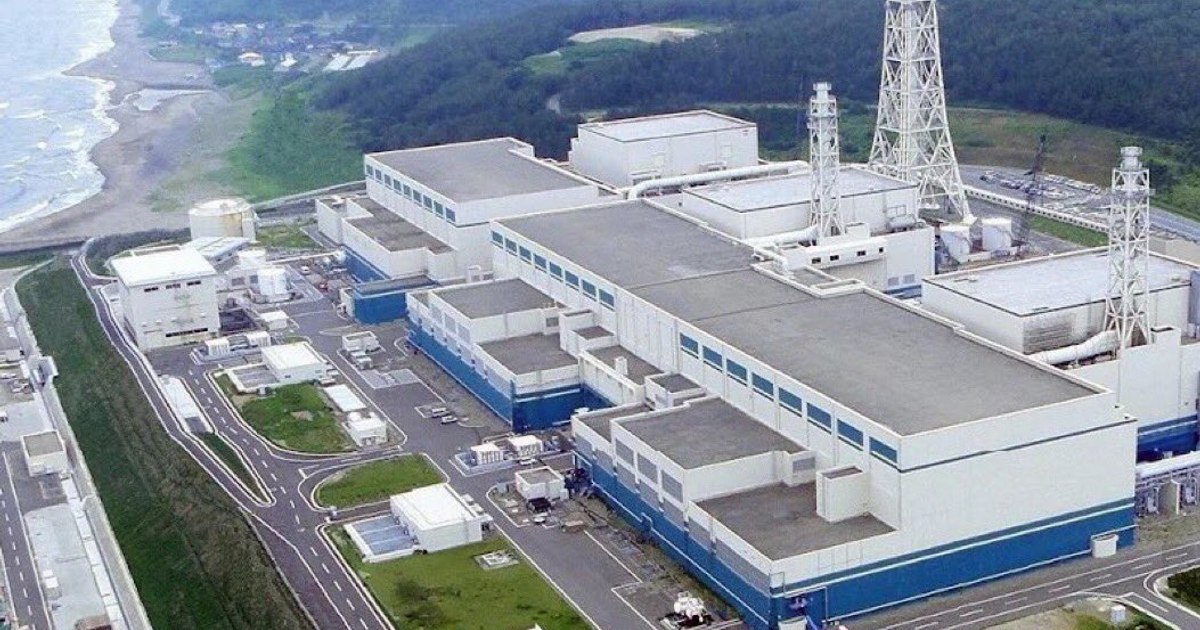
The world's largest nuclear power plant by production capacity, Kashiwazaki-Kariwa, is to restart on Wednesday for the first time since the 2011 Fukushima disaster that shut down all of Japan's nuclear reactors, operator Tokyo Electric Power (Tepco) said.
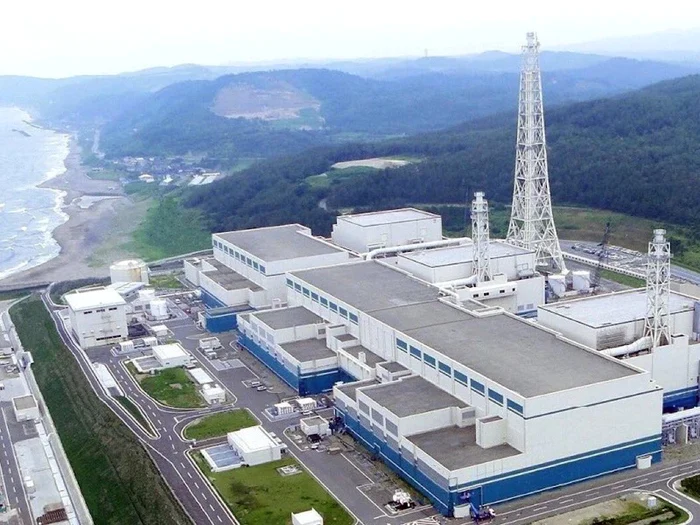
The governor of the region gave his consent last month. PHOTO X/@visegrad24
“We are making preparations to start the reactor”, stated Tepco in a statement, noting that the resumption of activity is scheduled after 19:00 (Romanian time). For now, only one of the complex's seven reactors will be restarted, The Guardian reports.
The governor of the region gave his consent last month, despite the opposition of a large part of the population. According to a survey carried out in September, 60% of residents were against the restart, while 37% supported it. On Tuesday, several dozen people, mostly elderly people, protested at the entrance to the plant.
“Tokyo's electricity is produced at Kashiwazaki, and only the residents (here) should be at risk? It makes no sense.” 73-year-old Yumiko Abe told AFP.
The Kashiwazaki-Kariwa power plant was closed following the triple catastrophe of March 2011 – earthquake, tsunami and nuclear accident in Fukushima. However, the Japanese authorities are trying to reduce dependence on fossil fuels, achieve climate neutrality by 2050 and cope with the increase in energy demand, including against the background of the development of artificial intelligence. Prime Minister Sanae Takaichi expressed his support for the relaunch of civilian nuclear power.
So far, 14 reactors in Japan have been restarted after stricter safety standards were introduced, and Unit 6 at Kashiwazaki-Kariwa will be Tepco's first reactor to restart after 2011.
However, opposition remains strong. “The situation at Fukushima is not even now under control. It is unacceptable for Tepco to reopen a plant,” said an 81-year-old protester.
Although the complex has been equipped with a 15-metre anti-tsunami breakwater, new emergency power systems and other security measures, locals fear the operator's lack of transparency, past incidents and evacuation plans deemed insufficient.
In early January, nearly 40,000 people signed a petition against restarting the plant, also citing the high seismic risk of the area, which experienced a strong earthquake in 2007.